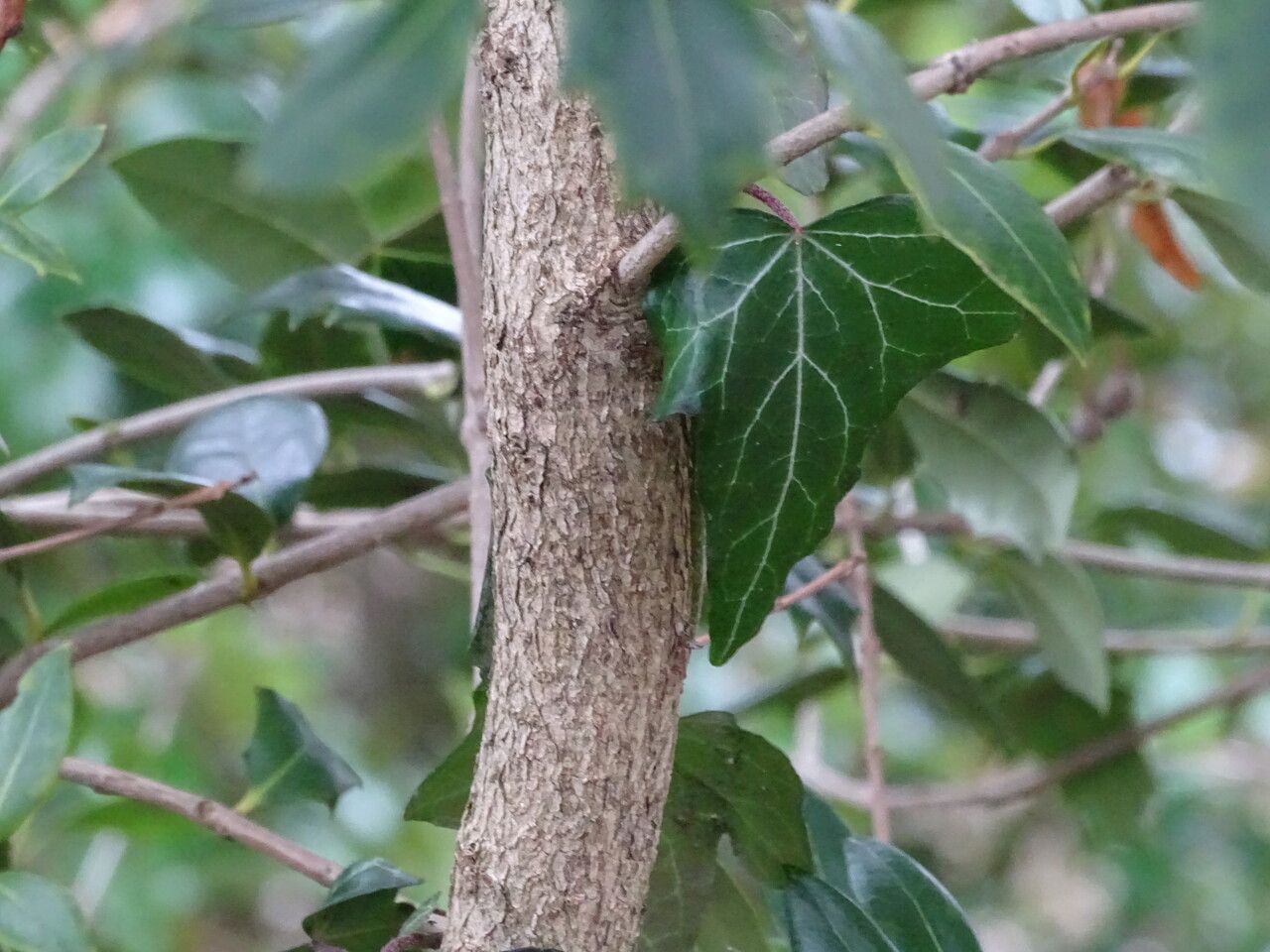
Oh, Olearia ilicifolia! If you’re looking for a plant that brings a bit of glossy, evergreen cheer and a lovely fragrance to your garden, you’ve found a winner. The New Zealand daisy bush, as it’s often called, is just delightful with its small, white, star-like flowers that appear in abundance. And you know what’s even better than having one? Making your own more! Propagating plants, especially ones as charming as this, is a truly rewarding experience. It connects you to the rhythm of nature and, let’s be honest, it’s a fantastic way to get more of your favorite plants for free! Now, is Olearia ilicifolia a breeze for brand-new gardeners? I’d say it’s moderately easy. A little patience and following a few key steps will see you right.
When’s the Right Time to Get Started?
Timing is everything, and for Olearia ilicifolia, the sweet spot is usually late spring to early summer. This is when the plant is actively growing, and you can take semi-hardwood cuttings. These are stems that have started to mature and firm up, but are still flexible enough to root. Avoid taking cuttings from brand new, floppy growth or very old, woody stems. You want that happy medium!
Gather Your Go-To Gear
Before we dive in, let’s make sure you have everything you need. It’s always best to be prepared!
- Sharp Pruning Shears or a Craft Knife: Cleanliness is key here. We want to make a clean cut, not crush the stem.
- Rooting Hormone: While not strictly essential for all cuttings, it gives your Olearia a significant head start and boosts your success rate. Look for a powder or gel.
- A Good Potting Mix: I love a light, well-draining mix. A good blend is one part peat or coir, one part perlite or sharp sand. This prevents waterlogging, which is the biggest enemy of cuttings.
- Small Pots or Trays: Clean containers are a must. Small ones work well for individual cuttings.
- Plastic Bags or a Propagation Dome: To create a humid environment.
- A Spray Bottle: For misting.
- Labels and a Pen: So you don’t forget what you’ve planted!
Let’s Get Our Hands Dirty: Propagation Methods
The most reliable way to propagate Olearia ilicifolia is through stem cuttings. It’s straightforward and generally yields excellent results.
-
Find Your Cuttings: Head out to your healthy Olearia plant. Look for stems that are about 4-6 inches long. Gently twist or snip them off, making sure to take them from the current year’s growth.
-
Prepare Your Cuttings: Once you have your stems, remove any lower leaves. You want a clean stem to insert into the soil. If you have leaves higher up, you can trim them back by about half. This reduces water loss.
-
Dip and Pot: Dip the cut end of each cutting into your rooting hormone. Tap off any excess. Then, gently push the cutting into your prepared potting mix. Make a small pilot hole with a pencil if the soil is dry to avoid knocking off the hormone.
- For stem cuttings, insert about one-third to one-half of the cutting into the soil.
- Firm the soil gently around the stem.
-
Create Humidity: Now, we need to create that greenhouse effect. You can cover the pot with a clear plastic bag (make sure the leaves don’t touch the sides!) or place it under a propagation dome. This keeps the humidity high, which is vital for the cuttings before they have roots to take up water.
-
Placement is Key: Find a bright spot with indirect light. Avoid direct sun, as it can scorch the leaves and dry out the cuttings too quickly. A warm windowsill is often perfect.
The “Secret Sauce”: My Insider Tips
Over the years, I’ve learned a few tricks that can really give your cuttings a fighting chance.
- Bottom Heat is Your Friend: Olearia ilicifolia roots much faster when its feet are warm. If you have a heated propagator mat, pop your pots on it. If not, placing them on top of a router or near a warm appliance can provide enough gentle warmth.
- Don’t Drown Them: While humidity is crucial, sitting in soggy soil is a death sentence for cuttings. Water your mix just enough so it’s moist but not waterlogged. You want it to feel like a wrung-out sponge.
- The Waiting Game: Honestly, the biggest “secret” is patience. Sometimes cuttings take weeks, even a couple of months, to show signs of rooting. Don’t be tempted to pull them up too early to check!
Aftercare and When Things Go “Wrong”
Once you start to see new growth appearing on your cuttings, that’s a fantastic sign that roots have formed! This usually means they’ve successfully rooted.
- Gradually Acclimatize: If you’re using a plastic bag or dome, start to open it up gradually over a few days to let the newly rooted cuttings get used to drier air.
- First Waterings: Once they’re fully acclimatized, water them gently.
- Potting Up: When they’re a bit bigger and you can see a decent root system if you gently tease them out (or if they’re in individual pots and looking crowded), it’s time to pot them up into slightly larger pots with good quality potting compost.
Troubleshooting: The most common sign of failure will be wilting and browning leaves, followed by the stem going soft and mushy – that’s rot. This is almost always due to overwatering and poor drainage. If this happens, sadly, that cutting is probably lost. But don’t despair! Just clean out the pot and try again with a fresh cutting.
Embrace the Journey
Propagating your Olearia ilicifolia is a little adventure. There might be a few flops along the way, and that’s perfectly okay. Every gardener has them! The joy is in the process, learning about your plant, and celebrating those little victories when you see new roots emerge. So, grab your secateurs, get your hands dirty, and enjoy growing your own beautiful New Zealand daisy bushes. Happy propagating!
Resource:
https://identify.plantnet.org/k-world-flora/species/Olearia%20ilicifolia%20Hook.f./data