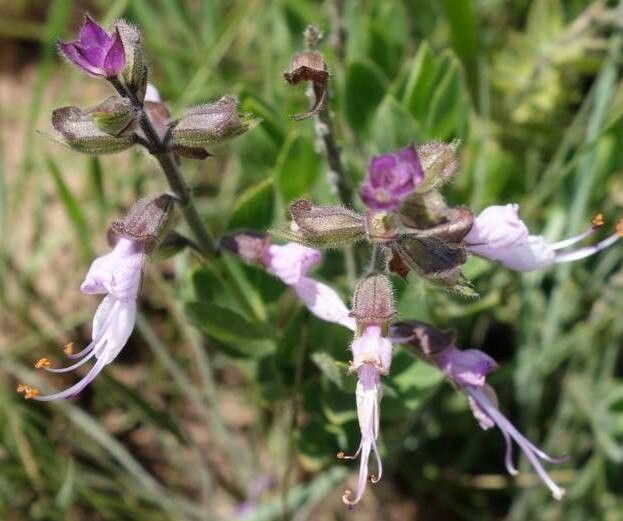
Hey there, fellow plant lovers! It’s me, your garden guru, ready to dive into a truly special herb today: Ocimum forskoelei, also known as Ethiopian basil or wild basil. If you’re looking for an aromatic herb with a slightly pungent, almost peppery kick, this one’s for you. Its delicate sprays of flowers are a magnet for pollinators, and growing it from scratch is incredibly rewarding. Now, is Ocimum forskoelei a breeze for absolute beginners? I’d say it’s a step up from your everyday basil, but with a little guidance, you’ll be enjoying new plants in no time.
The Best Time to Start
For the best chances of success with Ocimum forskoelei, I always aim to propagate in the late spring or early summer. This is when the plant is in its active growth phase. You’ll find it’s producing plenty of healthy, new stems that are perfect for taking cuttings. Waiting until your mother plant is established and thriving will give you the best material to work with.
Supplies You’ll Need
Here’s what you’ll want to have on hand:
- Sharp Pruning Shears or a Knife: For clean cuts that heal quickly.
- Rooting Hormone (Optional but Recommended): This little helper gives cuttings a boost.
- Well-Draining Potting Mix: A good blend of peat or coir, perlite, and a bit of compost works wonderfully. Seedling mix is also a great choice.
- Small Pots or Seedling Trays: With drainage holes, of course!
- Plastic Bags or a Propagator Lid: To create a humid environment.
- Watering Can or Spray Bottle: For gentle watering.
Propagation Methods
My favorite way to bring more Ocimum forskoelei into the garden is through stem cuttings. It’s tried and true, and cloning from your favorite plant is always a thrill.
- Select Your Stem: Look for a healthy, non-flowering stem on your mature plant. Aim for a stem that’s about 4-6 inches long. You want something with plenty of leaves.
- Make the Cut: Using your sharp shears or knife, make a clean cut just below a leaf node (where the leaves attach to the stem). This is where roots are most likely to form.
- Prepare the Cutting: Gently remove the lower leaves from the stem, leaving just a few at the top. This prevents them from rotting once they’re in the soil or water.
- Apply Rooting Hormone (Optional): Dip the cut end of the stem into your rooting hormone powder or gel. Tap off any excess.
- Plant Your Cuttings:
- In Soil: Fill your small pots with your well-draining mix. Make a small hole with your finger or a pencil and insert the cutting, ensuring the leaf nodes are covered by the soil. Gently firm the soil around it.
- In Water: You can also place the cuttings in a glass or jar of clean water.
- Create Humidity: Once planted, water the soil gently. Then, cover the pots with a clear plastic bag, or place them in a propagator with a lid. This creates a mini-greenhouse effect, keeping the humidity high, which is crucial for successful rooting.
The “Secret Sauce” (Pro Tips)
Here are a few things I’ve learned over the years that really make a difference:
- Don’t let those bottom leaves touch the water (if water propagating). If the leaves sit in the water, they’ll quickly turn mushy and rot, which can also contaminate the water and harm your cutting.
- Bottom heat is your friend! If you have a heat mat designed for seedlings, placing your pots on it can significantly speed up root development. Ocimum forskoelei loves a bit of warmth to get going.
- Patience is key with propagation. Sometimes cuttings take a few weeks to show signs of life. Don’t give up too soon!
Aftercare & Troubleshooting
Once you see new leaf growth and feel a gentle tug when you lightly pull on the cutting, that’s a good sign roots are forming!
- Gradually Acclimate: If you used a plastic bag or propagator, start to open it up a little each day to let the new plant get used to the drier air. Once it seems sturdy, you can remove the cover completely.
- Watering: Water when the top inch of soil feels dry. Always avoid letting the soil become waterlogged.
- Repotting: When the roots have filled the pot, you can carefully transplant your new Ocimum forskoelei into a larger container or its final garden spot.
Now, what if things don’t go as planned? The most common issue is rot. If your cutting turns black and mushy, it’s usually a sign of too much moisture and not enough air circulation. Make sure your soil is draining well and you’re not overwatering. Sometimes, too much direct sun can also stress a new cutting. Move it to a bright spot with indirect light until it’s well-established.
A Little Encouragement
Taking cuttings is a wonderfully satisfying way to expand your herb collection. It’s a little bit of magic, watching a bit of stem transform into a whole new plant. Be patient with your Ocimum forskoelei cuttings, and enjoy the process. Happy propagating!
Resource:
https://identify.plantnet.org/k-world-flora/species/Ocimum%20forskoelei%20Benth./data