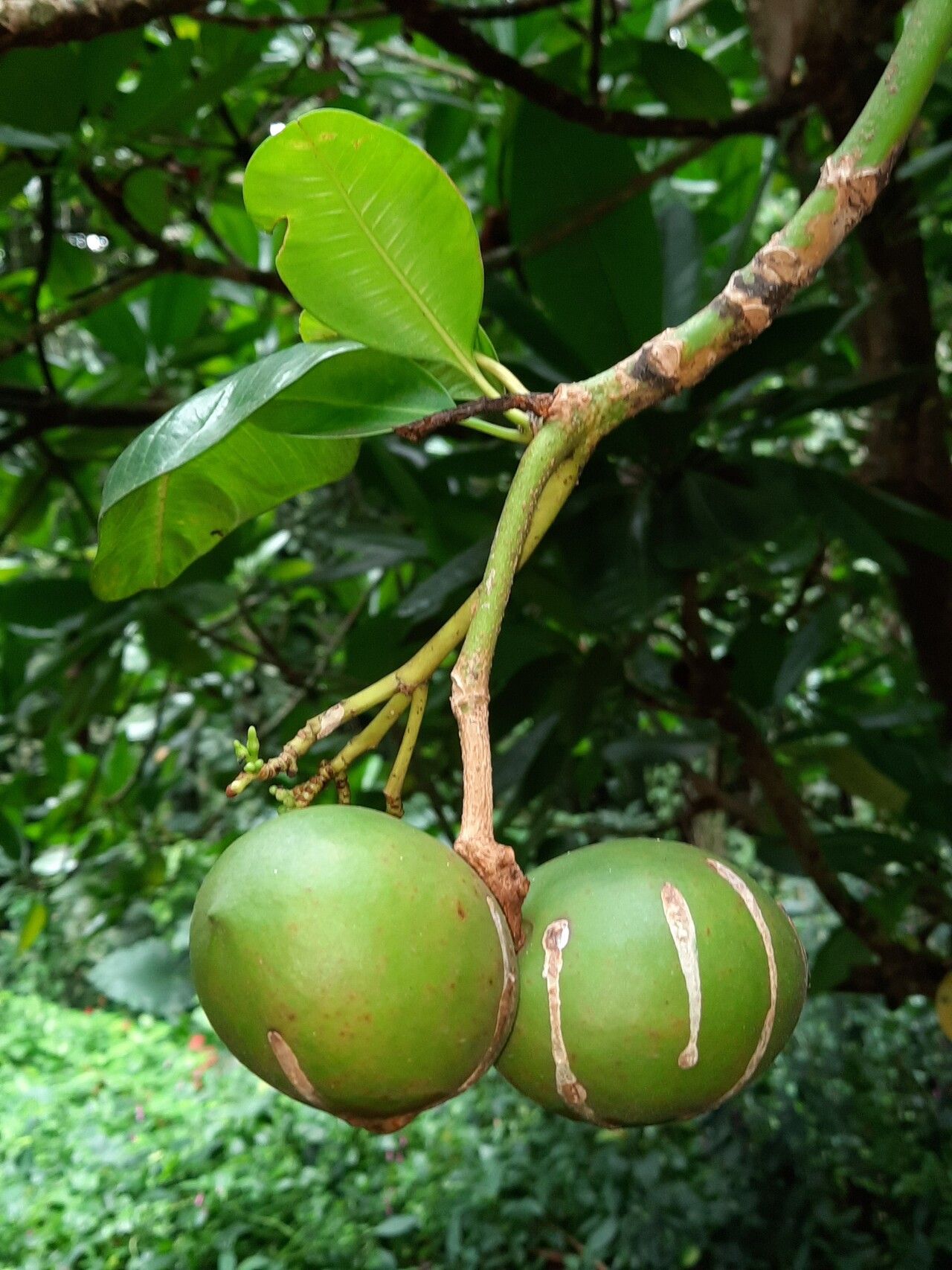
Oh, hello there! Come on in, grab a mug. We’re going to chat today about a plant that has a special place in my heart: Ochrosia oppositifolia. You know, sometimes I think gardeners get so caught up in the big, flashy blooms, they forget the quiet charm of a plant like this. Ochrosia is a real beauty, isn’t it? Those glossy, dark green leaves and the elegant way they grow – it’s a lovely specimen for a bright spot indoors or a sheltered patio.
And the best part? It’s surprisingly rewarding to propagate. While it might not be the very first plant I’d hand to a beginner who’s never touched a cutting before, it’s certainly within reach with a little guidance. Propagating Ochrosia is a fantastic way to fill your space with more of this gorgeous greenery, and it feels incredibly satisfying to nurture something from a small piece into a thriving plant.
The Best Time to Start
Timing is everything in the garden, isn’t it? For Ochrosia oppositifolia, the sweet spot for propagation is usually during its active growing season. Think late spring through summer. When the plant is actively pushing out new growth, it has more energy to dedicate to forming roots. You’ll want to look for healthy, semi-hardwood stems – not the brand-new, floppy green shoots, but also not the old, woody stems from last year. Stems that are firm but still have a bit of flex are your best bet.
Supplies You’ll Need
Let’s get our tools ready. Having everything you need at hand makes the process so much smoother.
- Sharp Pruning Shears or a Clean Knife: For making clean cuts. A dull tool can crush the stem, hindering root development.
- Rooting Hormone: This isn’t strictly necessary for all plants, but for Ochrosia, it gives cuttings a real boost. Look for a powder or gel.
- Propagation Pots or Small Containers: Small pots, seedling trays, or even repurposed yogurt cups with drainage holes work well.
- Well-Draining Potting Mix: A mix of equal parts peat moss or coco coir, perlite, and a bit of coarse sand is ideal. This keeps things light and airy for root formation.
- Clear Plastic Bag or Dome: To create a humid microclimate for your cuttings.
- Water: For misting and for water propagation, if you choose that method.
- Optional but helpful: Heat Mat. This isn’t a must-have, but bottom heat can really speed up rooting.
Propagation Methods
Ochrosia is usually quite happy to be propagated from stem cuttings. It’s my go-to method for this plant.
Stem Cuttings
- Select your cutting: Find a healthy stem with several sets of leaves. Aim for a piece about 4-6 inches long.
- Make the cut: Using your sharp shears or knife, make a clean cut just below a leaf node (where a leaf attaches to the stem). This is where roots are most likely to form.
- Prepare the cutting: Gently remove the lower leaves from the cutting, leaving just 1-2 sets at the top. This prevents them from rotting in the soil. If the remaining leaves are very large, you can even cut them in half horizontally to reduce water loss through transpiration.
- Apply rooting hormone: Dip the cut end of the stem into your rooting hormone, tapping off any excess.
- Plant the cutting: Make a hole in your prepared potting mix with a pencil or your finger. Gently insert the cutting into the hole, ensuring the root hormone-coated end is in the soil and the leaf nodes are below the surface. Firm the soil gently around the stem.
- Provide humidity: Water the soil lightly. Then, cover the pot with a clear plastic bag or a propagation dome. This traps humidity, which is crucial for cuttings that can’t yet absorb water through roots. Make sure the leaves aren’t touching the plastic if possible.
- Find a good spot: Place the pot in a bright location, but out of direct sunlight. Too much sun can scorch the delicate cutting. Warmth is good, so placing it near a radiator or on a heat mat can be beneficial.
Water Propagation (An Alternative)
If you prefer to watch the roots form, water propagation is a lovely option.
- Prepare the cutting: Follow steps 1-3 from the stem cutting method above.
- Place in water: Put the cutting in a clean jar or glass filled with clean, room-temperature water. Make sure no leaves are submerged below the water line. This is super important to prevent rot.
- Change the water regularly: Refresh the water every few days to keep it clean and oxygenated.
- Location: Just like with soil propagation, place it in bright, indirect light.
- Transplant when ready: Once you see a good network of roots, about an inch or two long, you can carefully transplant the cutting into well-draining potting mix. Go slow with this transition to let the new roots adjust.
The “Secret Sauce” (Pro Tips)
Here are a few little things I’ve learned over the years that can make a big difference:
- Don’t be afraid to use bottom heat. As I mentioned, placing your pots on a heat mat set to a gentle warmth (around 70-75°F or 21-24°C) is a game-changer. It encourages root development from below, even if the air temperature is a bit cooler. It’s like giving your cuttings a warm hug!
- Mist, but don’t soak. Once your cuttings are in their humid environment, you might need to mist them occasionally if the leaves start to look a bit droopy or the soil feels dry. However, you don’t want to create a soggy mess, as that invites rot. Just a light spritz here and there is usually enough.
- Be patient with leaf drop. Sometimes, a cutting might drop a leaf or two, especially if it’s stressed. Don’t panic! As long as the stem itself is firm and the remaining leaves look healthy, it’s often just shedding what it can’t support while it focuses its energy on growing roots.
Aftercare & Troubleshooting
Once you start to see signs of new growth or feel a gentle tug when you lightly wiggle the cutting – congratulations! That means roots are forming.
- Gradually acclimate: If you’ve been using a plastic cover, gradually increase ventilation by opening the bag or dome for a few hours each day over a week. This helps the new plant adjust to normal humidity levels.
- Watering: Continue to water when the top inch of soil feels dry. Avoid waterlogging the soil.
- Light: Keep it in bright, indirect light.
- Repotting: Once the plant is well-established and has a good root system, you can repot it into a slightly larger container.
Now, what if things aren’t going as planned?
- Rotting: This is the most common issue. It usually means too much moisture and not enough airflow. If the stem turns mushy and dark, it’s likely rotted. Unfortunately, there’s no coming back from that. A good, free-draining mix and avoiding overwatering are your best defenses.
- No roots after weeks: Don’t despair immediately. Some plants take their sweet time. Ensure your cuttings are still firm and green. If they start to shrivel or brown, they’ve likely dried out or succumbed to disease.
A Encouraging Closing
Growing new plants is a journey, and like any good journey, it’s full of lessons and rewards. Don’t get discouraged if your first attempt isn’t perfect. Every cutting is an experiment, and every success is a little victory to celebrate. Take the time to observe your plant, adjust your care as needed, and most importantly, enjoy the process of bringing more green magic into your life. Happy propagating!
Resource: