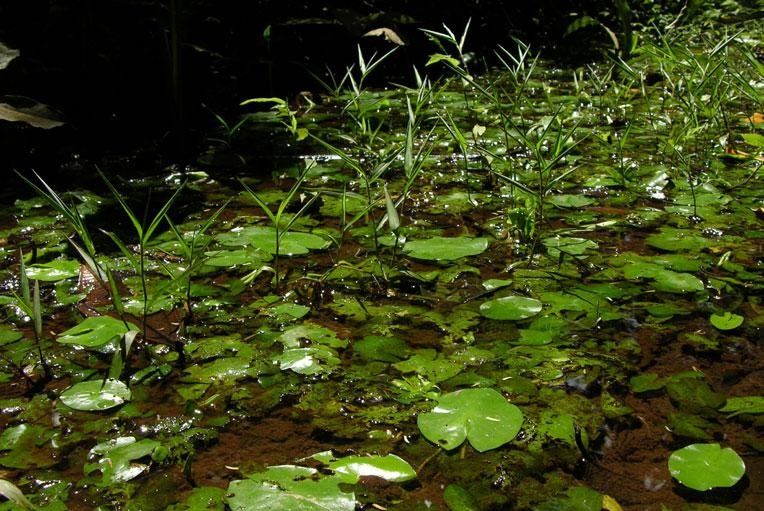
Well hello there, fellow plant lovers! It’s so nice to have you join me for a chat about one of my absolute favorite water lilies: Nymphaea conardii. If you’ve ever seen this beauty gracing a pond, you’ll know why it’s so enchanting. Its vibrant blooms and lush foliage bring such a sense of tranquility to any water feature. And honestly, there’s a special kind of joy that comes from creating new life from an existing plant. It’s a rewarding experience that connects you even more deeply with your garden. Now, I know some water plants can feel a bit… intimidating to propagate. Rest assured, Nymphaea conardii is surprisingly manageable, even for those of you who are just starting out on your aquatic gardening journey!
The Best Time to Start
For the plumpest, most successful starts of Nymphaea conardii, you’ll want to get your hands dirty in the late spring to early summer. Think of it as the plant’s prime growing season. The days are getting longer, the water is warming up, and everything is just bursting with vigor. This is when the rhizomes are most active and ready to send out new shoots. Trying to propagate when the plant is dormant, like in the dead of winter, is just an uphill battle. We want our little babies to have the best possible chance from day one!
Supplies You’ll Need
Gathering your supplies ahead of time makes the whole process go so much smoother. Here’s what I always have on hand:
- Sharp, sterile pruning shears or a sharp knife: Essential for clean cuts.
- Rooting hormone (optional but recommended): Gives a little boost to encourage root development.
- Small pots or containers: For housing your new cuttings. I often recycle old yogurt cups with holes poked in the bottom.
- Coarse sand or a sandy loam potting mix: For planting your divisions or cuttings.
- Clean water source: For misting and maintaining moisture.
- A suitable pond or large container: Once your new plants have established roots.
Propagation Methods
There are a couple of tried-and-true ways to multiply your Nymphaea conardii. My favorite is often division, but water propagation can also work wonderfully.
1. Division: The Classic Approach
This is usually the most straightforward method if you have a well-established plant.
- First, gently lift your Nymphaea conardii from its pot or the pond bottom. Try to disturb the roots as little as possible.
- Carefully shake off excess soil to get a good look at the rhizome. The rhizome is the thick, underground stem of the water lily.
- Identify a healthy section of the rhizome that has at least one visible growing point or ‘eye’. These are usually small buds or nubs along the rhizome.
- Using your sharp shears or knife, make a clean cut to separate this section from the main plant.
- If you’re using rooting hormone, dip the cut end of the divided rhizome into it.
- Pot up your new division in a small container filled with your sandy soil mix. Make sure the growing point is facing upwards and the rhizome is just covered. I like to plant them about an inch deep.
- Gently place the potted division into shallow water – just enough to keep the soil moist. You can achieve this by placing the pot on a submerged shelf or another pot.
2. Water Propagation (for healthy stem sections)
This method can work if you have a healthy stem with at least one leaf.
- Select a healthy stem that has a leaf attached.
- Using your sterile shears, make a clean cut just below a leaf node.
- Remove any leaves that would be submerged in water. This is crucial to prevent rot.
- Place the cutting in a jar or container of clean water, ensuring the leaf floats on the surface and doesn’t touch the water.
- Keep the jar in a bright location but out of direct, scorching sunlight. Change the water every few days to keep it fresh.
- You should start to see tiny white roots emerging from the submerged stem in a few weeks. Once these roots are about an inch long, you can pot up the cutting in your sandy soil mix, just as you would with a division.
The “Secret Sauce” (Pro Tips)
Here are a few little tricks I’ve picked up over the years that can really make a difference:
- Don’t let the leaves touch the water when propagating in a jar. Any submerged leaf is a potential invitation for rot. They need to breathe, just like us!
- Bottom heat is your friend! If you’re having a bit of trouble getting roots to form, especially in cooler weather, placing your pots on a gentle heating mat can significantly speed things up. It mimics the warmth of summer soil.
- Patience is key, but so is observation. After dividing, don’t be tempted to bury the growing point too deeply. When water propagating, keep an eye out for any sign of softness or slime – that’s a red flag for rot.
Aftercare & Troubleshooting
Once your Nymphaea conardii cuttings or divisions start showing signs of new growth – tiny leaves unfurling or a healthy root system developing – you’re doing great!
- Gradually introduce them to deeper water as they grow stronger. Start with just a few inches and slowly increase the depth over a few weeks.
- Keep an eye on nutrient levels. As they establish, they’ll appreciate nutrient-rich tabs designed for aquatic plants, but don’t overdo it with brand new cuttings.
- Rot is the most common villain. If you see the rhizome or stem turning mushy and black, it’s usually a sign of too much moisture, poor air circulation, or not changing the water enough during water propagation. Sadly, once rot sets in, it’s very difficult to save the cutting. Clean cuts and good hygiene are your best defense against this. If you’re dividing and the cut looks a bit iffy, you can sprinkle a bit of cinnamon powder on the cut surface – it’s a natural antifungal.
A Warm Encouraging Closing
Propagating your Nymphaea conardii is a wonderful way to expand your water garden and share the beauty of these aquatic jewels. Don’t be discouraged if your first attempt isn’t perfect. Every gardener has learned through trial and error! Enjoy the process, savor the connection you feel with your plants, and revel in the satisfaction of growing something beautiful from scratch. Happy propagating!
Resource:
https://identify.plantnet.org/k-world-flora/species/Nymphaea%20conardii%20Wiersema/data