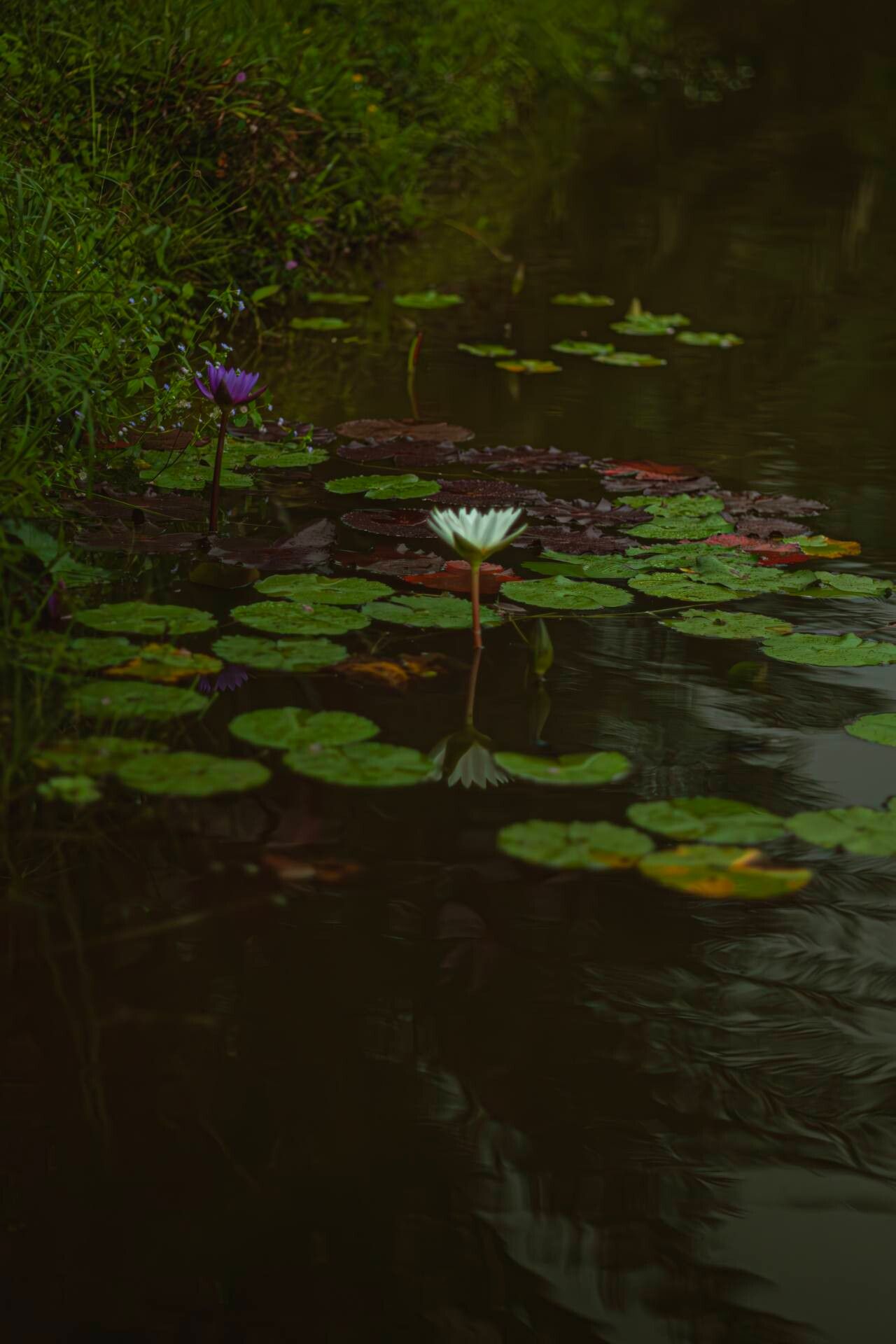
Oh, water lilies! They’re just pure magic, aren’t they? Those huge, elegant blooms floating serenely on the water, holding secrets of the deep. I’ve been growing and playing with them for two decades now, and truthfully, propagating Nymphaea ampla has become one of my favorite little gardening joys. It’s a plant that truly rewards your efforts. While some water lilies can be a little finicky for an absolute beginner, Nymphaea ampla is actually quite forgiving, especially if you follow a few simple guidelines. You’ll be expanding your water garden in no time!
The Best Time to Start
Timing is everything, and with Nymphaea ampla, the absolute best time to get propagating is when the plant is in its active growing season. Think late spring through early summer. You want to see lots of new growth – healthy leaves and, ideally, some flower buds starting to form. This tells you the plant has plenty of energy to put into making new babies. Trying to do it when the plant is dormant or stressed is just asking for disappointment.
Supplies You’ll Need
Gathering your tools before you begin makes the whole process so much smoother. Here’s what I usually have on hand:
- Sharp, clean pruning shears or a sharp knife: For making clean cuts.
- Rooting hormone (optional but helpful): Especially for division.
- Pots or containers: Small ones for cuttings, larger for divisions.
- Aquatic soil mix: A heavy, silty soil is best for water lilies. Avoid anything too rich or peaty, as it can foul the water. A good mix is often just heavy loam or clay.
- Sand (coarse): To mix with soil for drainage or top-dressing.
- Water: Clean, dechlorinated water.
- Tweezers or forceps: Useful for handling small cuttings.
- Gloves: To keep your hands clean.
Propagation Methods
Nymphaea ampla can be propagated in a couple of ways, but for this beauty, division is usually the most successful and straightforward.
Method 1: Division
This is like giving your lily a haircut and getting new plants as a bonus!
- Gently remove the mother plant from its pot, being careful not to damage the roots or rhizome. You might need to do this when the pond is a bit lower, or use a net to scoop it out.
- Rinse off excess soil from the rhizome. You’ll see a thick, fleshy stem – that’s the rhizome.
- Inspect the rhizome for growth points. You’re looking for sections that have at least one healthy bud or growth eye. Sometimes, you’ll see distinct new shoots.
- Using your sharp knife or shears, carefully cut the rhizome into sections. Make sure each section has a good bud and some healthy roots attached. If the bud is very small, don’t worry; it can still grow.
- You can dust the cut surfaces of the rhizome with rooting hormone at this stage if you like, though it’s not strictly necessary for Nymphaea ampla.
- Pot up each new division in its own small pot filled with your aquatic soil mix. Plant the rhizome so the bud is just at or slightly above the soil surface. Ensure the roots are spread out.
- Top-dress with a thin layer of coarse sand to help keep the soil from clouding the water once it’s submerged.
- Gently submerge the potted divisions in a shallow container of water, ensuring the water level is just covering the pot.
Method 2: Stem Cuttings (Less Common for N. ampla, but possible)
This method is a bit trickier as Nymphaea ampla doesn’t produce easily separable “stems” like some other plants. However, you can sometimes get a baby plant to form at the base of a leaf stalk.
- Look for a healthy, mature leaf stalk where you see a tiny plantlet forming at its base, or where the stalk seems to be thickening near the rhizome with a bud.
- Carefully sever the leaf stalk as close to the rhizome as possible, making sure to include the small plantlet or bud.
- Place the cutting in a small pot filled with aquatic soil, just like with the division.
- Submerge the pot in shallow, clean water.
The “Secret Sauce” (Pro Tips)
Here are a few things I’ve learned along the way that really make a difference:
- Give them space when rooting: Once your new divisions or cuttings are potted and submerged, don’t overcrowd them. Give each new plant its own space to establish. This improves water circulation and reduces the risk of fungal issues.
- Think about the water level: When you first pot up your divisions, keep the water level relatively shallow. As the plant grows and roots develop, you can gradually deepen the water. This mimics their natural growth stages and encourages quicker root establishment.
- Patience with buds is key: Sometimes, a division might seem to be doing nothing for a while. Resist the urge to dig it up and check! Trust the process. As long as the rhizome is firm and not mushy, it’s likely working on those roots and a new shoot from the bud. Avoid disturbing it unless you’re absolutely sure it’s failing.
Aftercare & Troubleshooting
Once your divisions or cuttings have roots and you see new leaves starting to unfurl, they’re ready for their permanent home!
- Plant them in their final pond location at the appropriate depth for the species.
- Continue to use heavy aquatic soil and avoid overly rich fertilizers directly in the pot initially.
- Watch for signs of rot: This is the most common problem. If a rhizome or cutting turns mushy, black, and smells foul, it’s succumbed to rot. This is often caused by poor water quality, stagnant water, or overly aggressive potting mixes. Remove affected parts immediately to prevent spread. Sometimes, a clean cut and fresh water can save a struggling section.
- Algae blooms can occur when you introduce new plants. Don’t panic! As your lily establishes, it will start to shade the water, which naturally helps to control algae.
A Closing Thought
Propagating Nymphaea ampla is such a rewarding way to fill your water garden with these stunning flowers. It might take a little patience, especially when you’re just starting out, but seeing those tiny buds grow into magnificent blooms is a feeling like no other. Enjoy the process, learn from each attempt, and most importantly, savor the beauty you create. Happy growing!
Resource:
https://identify.plantnet.org/k-world-flora/species/Nymphaea%20ampla%20(Salisb.)%20DC./data