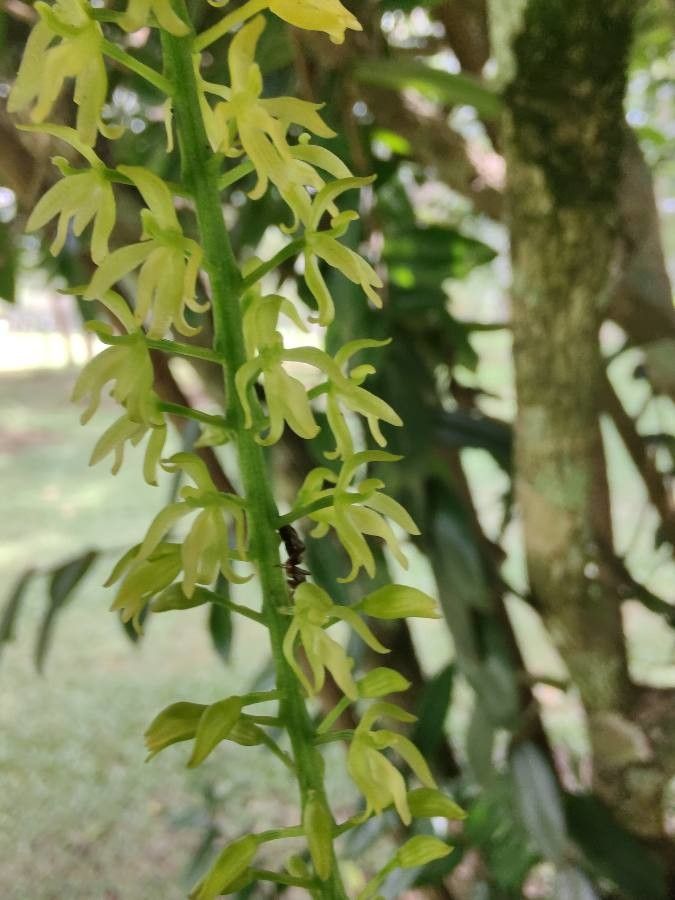
Hello fellow plant lovers! I’m thrilled to share my journey with Notylia sagittifera, a truly enchanting orchid that brings a touch of the tropics right into our homes. Its delicate, arrow-shaped leaves and graceful blooms are a sight to behold. Propagating these beauties is one of the most rewarding aspects of orchid growing, and I’m here to guide you through it. Now, I’ll be honest, Notylia sagittifera isn’t the most beginner-friendly orchid out there, but with a little patience and the right approach, you absolutely can succeed. Think of it as a delightful challenge, a chance to deepen your understanding of these amazing plants.
The Best Time to Start
For Notylia sagittifera, the sweet spot for propagation is typically in the late spring or early summer. This is when the plant is in an active growth phase after its winter rest. You’ll usually see new pseudobulbs or leaves starting to emerge. This surge of energy means the plant is more receptive to division and quicker to root. Waiting until you see this new growth is key; attempting to propagate when the plant is dormant will greatly reduce your chances of success.
Supplies You’ll Need
Before we get our hands dirty, let’s gather our tools:
- Sharp, sterilized pruning shears or a clean knife: For making precise cuts.
- Orchid bark mix: A good quality mix is essential. I prefer a blend that’s airy and drains extremely well, often with added perlite or charcoal. For Notylia, especially, I find a finer grade of bark works wonders.
- Sphagnum moss: For adding a bit of moisture retention where needed, but use sparingly.
- Small pots or plastic containers: Look for ones with plenty of drainage holes.
- Rooting hormone powder (optional but recommended): This can give your cuttings an extra boost.
- Spray bottle: Filled with filtered or rainwater for misting.
- Labels and a waterproof marker: To keep track of what you’ve propagated and when.
- Clear plastic bags or small propagation domes: To create a humid environment.
Propagation Methods: Division is King!
For Notylia sagittifera, the most reliable and common method is division. These orchids grow as sympodial epiphytes, meaning they produce new growth from a rhizome, forming clumps over time.
- Gently remove the orchid from its pot. If it’s been in the same pot for a while, you might need to carefully break away the old potting medium.
- Inspect the rhizome. Look for sections of the plant that have at least two to three healthy pseudobulbs and some active roots. A strong start is crucial.
- Using your sterilized shears or knife, carefully cut through the rhizome. Aim to make a clean cut, dividing the plant into manageable sections. You want each division to have a good root system attached. If necessary, you can gently tease apart the roots with your fingers.
- Trim away any dead or decaying roots. This is important to prevent rot from spreading.
- Allow the cut surfaces to air dry for a few hours to a day. This helps to callus over the cut and prevent infection. Some growers even dust the cut surface with a fungicide, but I find letting it air dry is usually sufficient.
- Pot up your divisions. Place each division into its own pot with fresh, well-draining orchid bark mix. Position the pseudobulbs so that the newest growth is facing outwards, allowing plenty of room for future expansion.
The “Secret Sauce” (Pro Tips)
Here are a few things I’ve learned over the years that make a real difference:
- Gentle Hand is Key: When dividing, be incredibly patient. If a root stubbornly refuses to separate, don’t force it. You’re better off losing a few roots than damaging the entire plant.
- Humidity Hug: Notylia loves a humid environment, especially when trying to establish new roots. After potting, I like to place the divisions into a clear plastic bag or cover them with a propagation dome. This creates a mini-greenhouse and drastically improves success rates. Make sure to open it daily for a few minutes to allow for air circulation and prevent fungal issues.
- Bottom Heat is Your Friend: For orchids that tend to be a bit slower to root, a gentle warming mat can work wonders. Placing your pots on a seedling heat mat set to a low temperature (around 70-75°F or 21-24°C) provides consistent warmth to the roots, encouraging faster and more robust growth.
Aftercare & Troubleshooting
Once your divisions are potted, the real nurturing begins. Keep the potting medium slightly moist but never waterlogged. Misting the leaves and the surface of the bark a few times a week is usually sufficient. Avoid getting water trapped in the crown of the pseudobulbs, as this can lead to rot.
The first sign of success will be new root growth, usually appearing as tiny green or white tips from the base of the pseudobulbs. New leaf growth is also a great indicator.
The most common issue you might encounter is rot. If you see mushy, blackening pseudobulbs or leaves, it’s a clear sign of too much moisture or poor air circulation. This is where preventing it in the first place, by ensuring excellent drainage and good airflow, is crucial. If rot does occur, try to cut away the affected parts immediately with your sterilized tool, allowing the healthy tissue to callus over. You might need to repot it in entirely fresh, dry media. Don’t be discouraged; even experienced gardeners lose plants sometimes!
A Little Patience Goes a Long Way
Propagating Notylia sagittifera is a journey, not a race. It requires a
Resource: