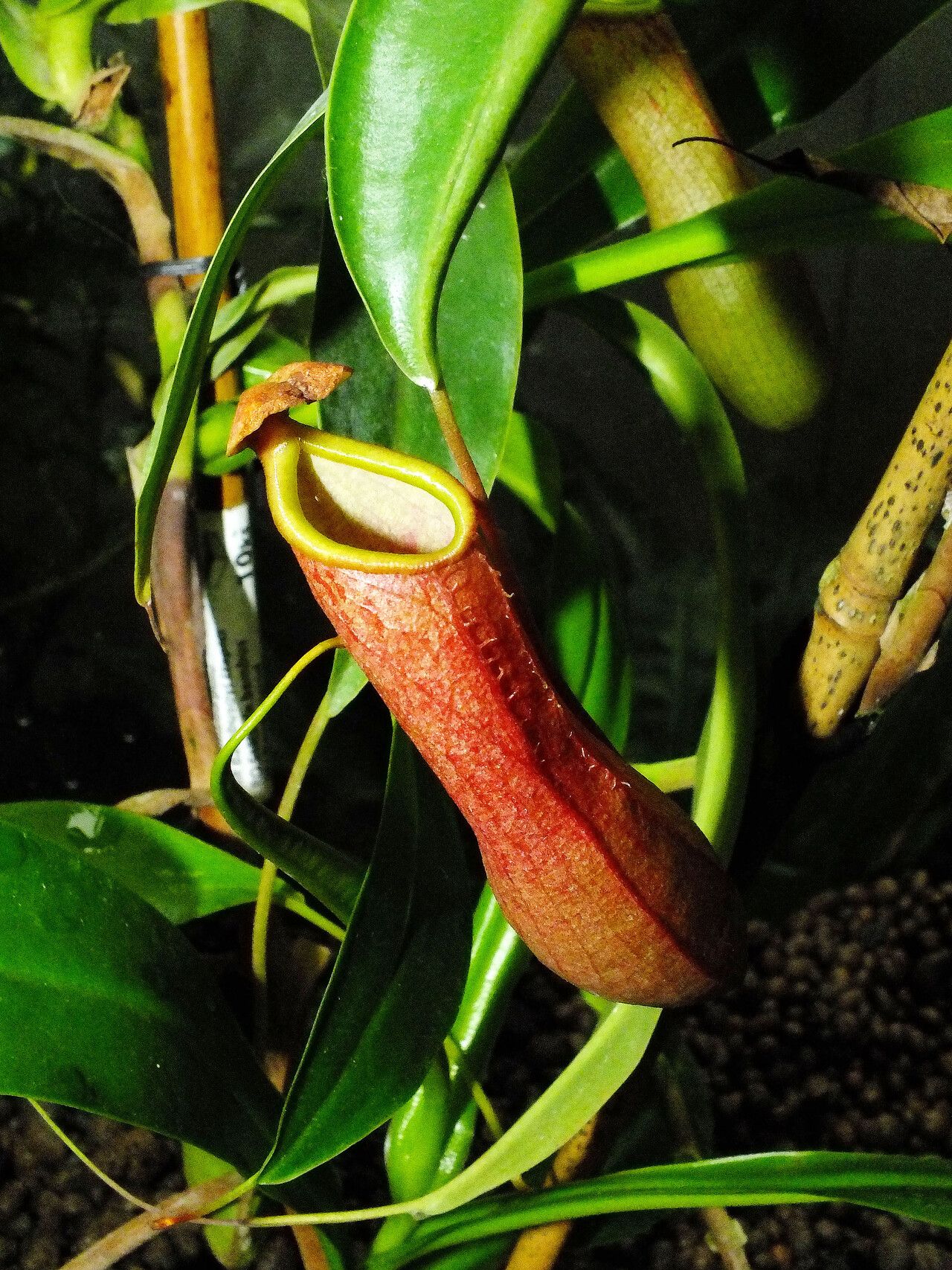
Oh, Nepenthes vieillardii! What a stunner! If you’re anything like me, the allure of these fantastic pitcher plants is impossible to ignore. Their exotic beauty and the sheer delight of watching them produce those captivating traps make them a real treasure in any collection. And the best part? Bringing more of these beauties into your life through propagation is an incredibly rewarding journey! Now, let’s be upfront: while not the absolute easiest plant for a total newbie, N. vieillardii is certainly manageable with a little care and attention. It’s a fantastic plant to step up your propagation game with!
The Best Time to Start
When it comes to getting your N. vieillardii to send out roots, spring and early summer are your golden ticket. This is when the plant is naturally bursting with energy and ready to grow. Think of it mirroring a human’s vibrant growth spurts; it’s when they’re most receptive to making new beginnings. You want to propagate when the plant has healthy, vigorous new growth, not when it’s stressed or dormant.
Supplies You’ll Need
Gathering your tools beforehand makes the whole process smooth sailing. Here’s what will make your propagation journey a breeze:
- Sharp, sterile pruning shears or a clean razor blade: For making neat cuts.
- A well-draining potting mix: I swear by a 50/50 blend of perlite and peat moss, or a commercial carnivorous plant mix. This is crucial as it prevents waterlogging.
- Small pots or trays: With drainage holes, of course!
- Rooting hormone (optional but helpful): A powdered form works great.
- Sphagnum moss (long-fibered): Excellent for humidity and rooting.
- A clear plastic bag or humidity dome: To create a mini-greenhouse effect.
- Water: Distilled or rainwater is best. Tap water can contain minerals that are harmful to Nepenthes.
- Bottom heat source (optional but highly recommended): A seedling heat mat can make a world of difference.
Propagation Methods
Nepenthes vieillardii is typically propagated through stem cuttings. It’s tried and true, and with a bit of patience, you’ll have success.
Stem Cuttings
This is my go-to method for N. vieillardii. It’s straightforward and often yields the best results.
- Select a healthy stem: Look for a healthy, non-flowering stem that has at least two to three nodes. A node is a point on the stem where a leaf attaches. You’re looking for vigorous growth, not anything that looks weak or spindly.
- Make the cut: Using your sharp, sterile shears, make a clean cut just below a node. This is where the magic of root formation begins. If you’re using your razor blade, ensure it’s sterilized with rubbing alcohol.
- Prepare the cutting: Gently remove the lower leaves from the cutting, leaving just the top one or two leaves. If the cutting has a developing pitcher, you can snip that off too. It’s better to direct energy towards root growth.
- Apply rooting hormone (optional): If you’re using rooting hormone, dip the cut end of the stem into the powder, tapping off any excess. This often gives your cutting a little boost.
- Pot it up: Gently insert the cut end of the stem into your prepared, moist potting mix. Make sure at least one node is buried beneath the surface; this is where roots will emerge. You can also lightly press the potting mix around the stem to secure it.
- Create a humid environment: This is key! Lightly mist the cutting and the inside of your plastic bag or humidity dome. Place the pot inside the bag or cover it, ensuring the bag doesn’t touch the leaves too much. Seal it up to
Resource:
https://identify.plantnet.org/k-world-flora/species/Nepenthes%20vieillardii%20Hook.f./data