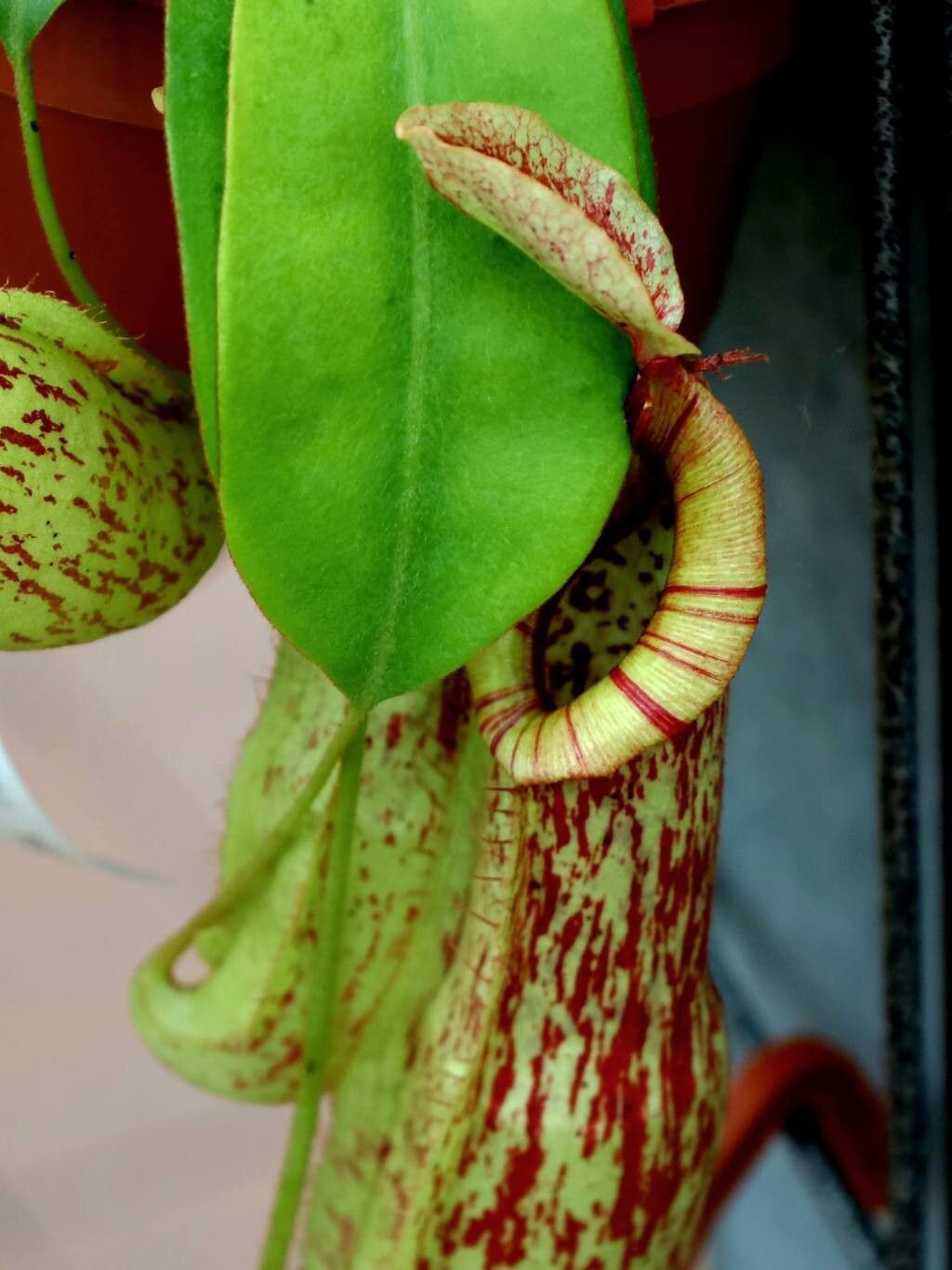
Hello, fellow plant lovers! It’s such a joy to chat with you today about one of my absolute favorites: Nepenthes mirabilis. These pitcher plants, with their elegant and often striking pitchers, have a way of captivating anyone who sees them. They bring a touch of the exotic to any windowsill or greenhouse, and honestly, there’s something incredibly satisfying about creating new life from an existing plant. Now, if you’re wondering if Nepenthes mirabilis is a good starting point for propagation, I’d say it’s moderately easy. It’s not as finicky as some of the rarer species, but it does appreciate a little attention to detail.
The Best Time to Start
When it comes to giving your Nepenthes mirabilis the best chance to multiply, spring and early summer are your golden tickets. This is when the plant is in its most vigorous growth phase. You’ll notice new shoots and healthy leaves appearing, which means the plant has plenty of energy to put into rooting those cuttings. Aim for when the plant is actively growing, not during a period of dormancy or stress.
Supplies You’ll Need
Gathering your supplies beforehand makes everything much smoother. Here’s what I always have on hand:
- Sharp, sterile pruning shears or a clean knife: For clean cuts that heal well.
- A well-draining potting mix: I personally love a mix of sphagnum moss, perlite, and a bit of orchid bark. You want good aeration! Some growers swear by pure long-fibered sphagnum moss, which is also fantastic.
- Small pots or trays: Clean and with drainage holes, of course.
- Clear plastic bags or a humidity dome: To maintain high humidity around your cuttings.
- Rooting hormone (optional, but helpful): A powder or gel helps speed things up.
- Small pebbles or gravel (for water propagation): To keep the cuttings stable.
- A small spray bottle: For misting.
Propagation Methods
There are a couple of tried-and-true ways to get more Nepenthes mirabilis. I usually lean towards stem cuttings, but division is also an option if your plant is mature.
Stem Cuttings
This is my go-to method for Nepenthes.
- Locate a healthy stem: Look for a stem that has at least a couple of mature leaves and ideally a developing leaf or two. You want it to be past the very young, floppy stage.
- Make the cut: Using your sharp, sterile shears, carefully cut the stem below a node. A node is that little bump where a leaf attaches to the stem. This is where new roots will emerge. Aim for a cutting that’s about 4-6 inches long. Remove any pitchers that are still attached, as they take energy away from rooting.
- Prepare the cutting: Gently remove the lowest leaf or two. If your cutting is long, you can even take a leaf or two off the top to reduce water loss. If you’re using rooting hormone, dip the cut end into it according to the package directions.
- Plant your cutting: Fill your small pot with your prepared, moistened potting mix. Make a hole with your finger or a pencil, and insert the cutting, ensuring the node is buried. Gently firm the soil around it.
- Create a humid environment: Water the potting mix thoroughly until it drains from the bottom. Then, place the pot into a plastic bag, sealing it to create a mini-greenhouse. Alternatively, you can use a humidity dome.
Division
If your Nepenthes mirabilis is a large, multiple-stemmed plant, division might be the way to go.
- Gently remove the plant from its pot: Be careful not to damage the roots too much.
- Identify natural breaks: Look for where the plant naturally divides into separate crowns or rhizomes.
- Separate carefully: Using a clean, sharp knife or even your fingers, gently tease apart the plant into smaller divisions. Each division should have its own set of roots and at least one healthy growth point.
- Pot up the divisions: Pot each division into its own container with fresh, moist potting mix.
- Water gently: Water them in well and treat them as you would a newly potted plant.
The “Secret Sauce” (Pro Tips)
After years of wrestling with (and celebrating!) cuttings, I’ve picked up a few tricks.
- Bottom heat is your friend: Nepenthes roots love warmth. Placing your pots on a heating mat designed for seedlings can dramatically speed up root formation. It mimics the warmth of a tropical environment perfectly.
- Don’t let leaves touch the water (if you go the water route): While some plants are happy with leaves submerged, Nepenthes cuttings can be prone to rot if the foliage sits in stagnant water. If you choose to root in water – and it works for some – make sure the leaves are well above the water line. I still prefer soil for them.
- Patience is key with pitchers: Your new cuttings might start producing tiny pitchers relatively quickly. Resist the urge to fuss over them too much. They’ll develop as the plant grows stronger.
Aftercare & Troubleshooting
Once you see roots forming (you might gently tug on the cutting to feel resistance, or if using clear pots, you might see them), it’s time to transition them.
- Gradually acclimate: Slowly open the plastic bag or dome a little each day to reduce humidity gradually. This prevents shock.
- Keep them moist: Continue to keep the potting mix consistently moist but not waterlogged.
- Provide bright, indirect light: They don’t need intense sun just yet. Bright, filtered light is ideal.
- Watch for rot: The most common enemy is rot, which often appears as a black, mushy stem at the soil line. This usually happens from overwatering or poor air circulation. If you see it, unfortunately, that cutting is likely lost. Removing it promptly can prevent it from spreading. Yellowing leaves are normal as the cutting uses its stored energy, but if all leaves turn yellow and it looks weak, it might not be taking.
A Little Encouragement
Propagating Nepenthes mirabilis is a rewarding journey. There might be a few setbacks along the way, and that’s perfectly okay! Every gardener learns from their experiences. Be patient, keep trying, and before you know it, you’ll have a whole new collection of these fascinating plants to admire. Happy growing!
Resource:
https://identify.plantnet.org/k-world-flora/species/Nepenthes%20mirabilis%20(Lour.)%20Druce/data