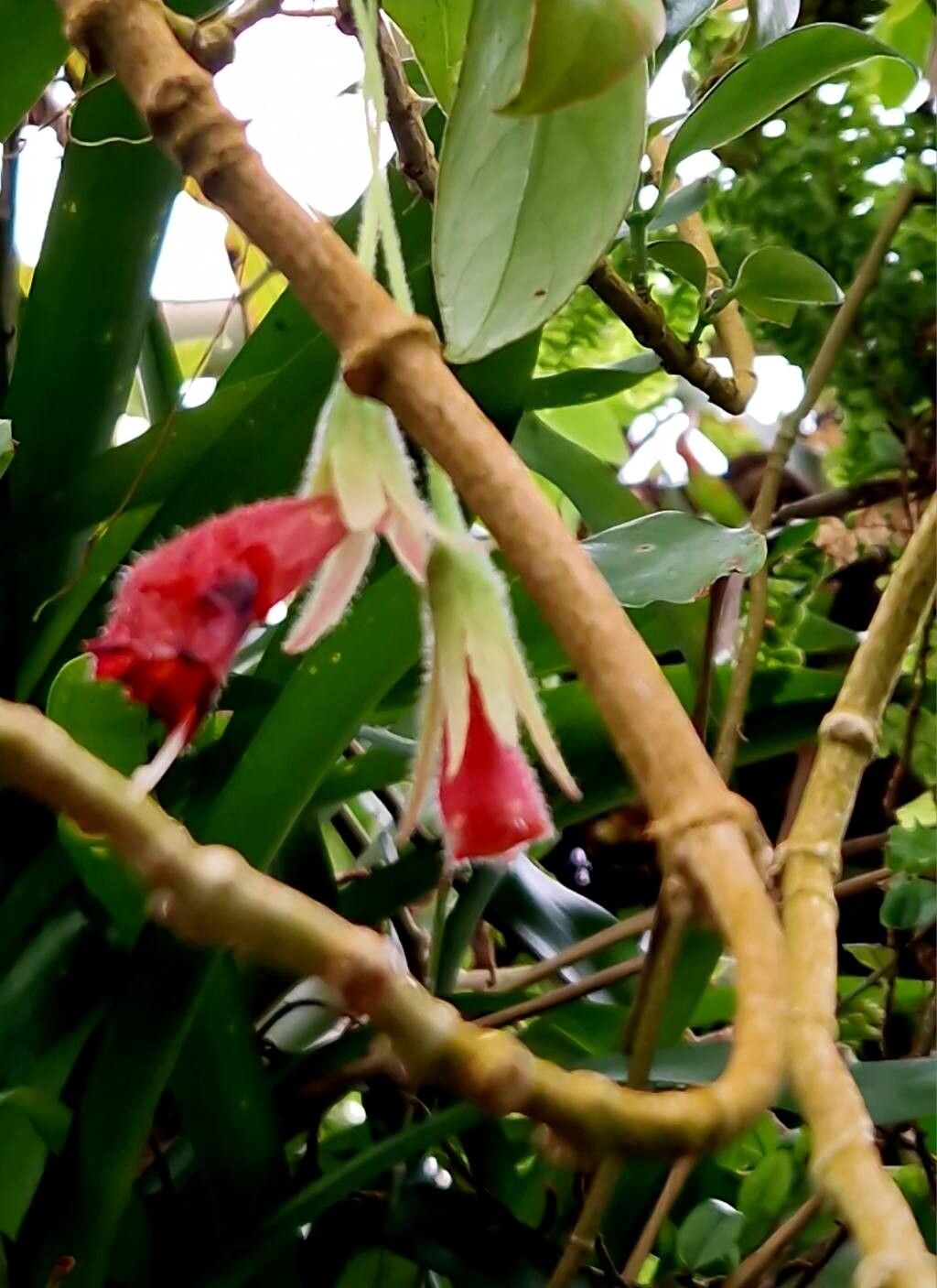
Oh, Nematanthus crassifolius! If you’ve ever seen one of these little beauties in bloom, you understand. With their shiny, succulent leaves and those cheerful, almost alien-looking tubular flowers in shades of orange and red, they’re just pure joy to have around. They’re sometimes called goldfish plants, and you can totally see why! The best part? You can easily grow more of these delightful plants yourself. It’s wonderfully rewarding to nurture a new life from a small snippet. And don’t worry, propagating Nematanthus is quite forgiving. I’d say it’s a fantastic plant for those just dipping their toes into the world of propagation.
The Best Time to Start
Honestly, spring and early summer are your golden ticket for propagating Nematanthus. This is when the plant is in active growth, full of energy, and ready to throw out new shoots. You’ll get the best results when you take cuttings then. Look for stems that are not too woody but not too soft and flimsy either – kind of like pencil-thick is just right.
Supplies You’ll Need
Before we get our hands dirty, let’s gather our essentials. You won’t need much, and most of it is probably already in your gardening toolkit.
- Sharp Pruning Shears or Scissors: A clean cut is crucial!
- Rooting Hormone (Optional but Recommended): This tiny bit of help can really speed things up.
- Small Pots or Seed Trays: About 3-4 inches wide with drainage holes is perfect.
- Propagating Medium: I like a mix of equal parts perlite and peat moss or coco coir. It’s light, airy, and drains beautifully. You can also buy a seed starting mix.
- Watering Can with a Fine Rose or Spray Bottle: Gentle watering is key.
- Clear Plastic Bag or Dome: This creates a mini-greenhouse effect.
- Small Label and Pen: To keep track of your new
Resource: