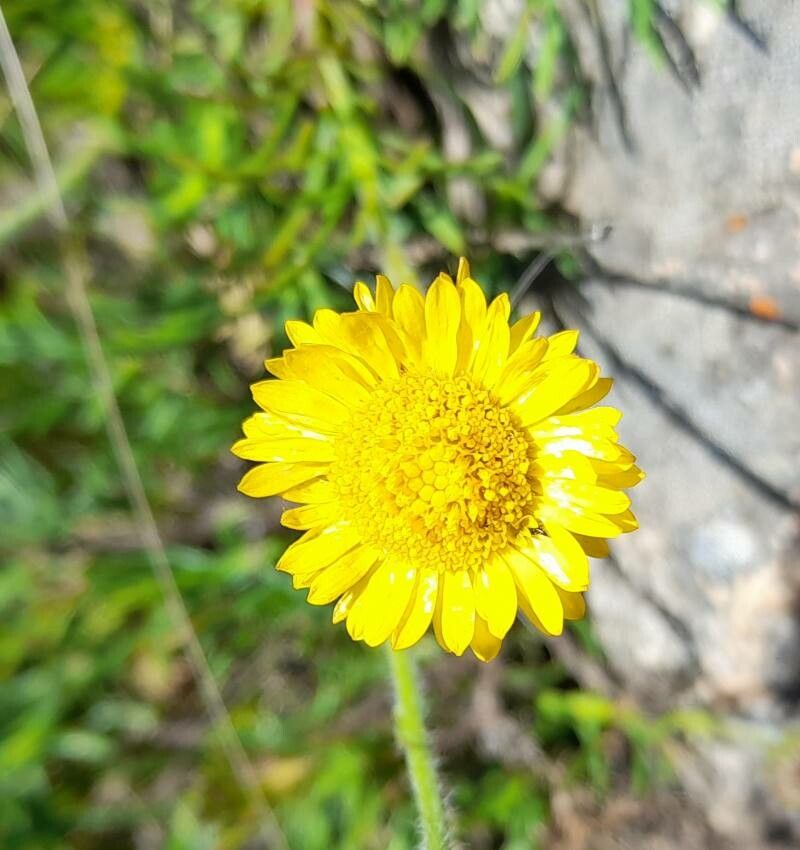
Ah, Neja pinifolia! If you’re drawn to its delicate, pine-like foliage and the subtle beauty it brings to a garden, you’re in good company. There’s something wonderfully satisfying about taking a piece of a plant you love and coaxing it to grow into a whole new life. It’s like unlocking a little bit of nature’s magic. For Neja pinifolia, I’d say it’s a moderately easy plant to propagate, especially if you follow a few key steps. Don’t be intimidated; with a little patience, you’ll be admiring your own homegrown specimens in no time!
The Best Time to Start
For the highest success rate with Neja pinifolia, I always recommend propagating during its active growing season. Think late spring or early summer. The plant is energized, and cuttings taken at this time tend to root more readily. You’re looking for stems that are firm and resilient, but not yet woody. These are often called “semi-hardwood” cuttings, and they strike a great balance – flexible enough to root, but with enough substance to hold their own.
Supplies You’ll Need
Before you get your hands dirty, let’s gather our tools. Having everything ready makes the process so much smoother.
- Sharp Pruning Shears or a Clean Knife: For taking clean cuts. A dull tool can crush the plant’s vascular system.
- Rooting Hormone: This is a helpful boost, not strictly essential for Neja pinifolia, but it significantly increases your chances of success. Look for a powder or gel.
- Potting Mix: A well-draining mix is crucial. I like a blend of equal parts peat moss or coco coir and perlite or coarse sand. This provides aeration and prevents waterlogging.
- Small Pots or Seed Trays: Clean pots are a must to avoid disease.
- Clear Plastic Bags or a Propagation Dome: To create a humid environment.
- Labels: To keep track of what you’ve propagated and when.
- Watering Can or Spray Bottle: For gentle watering.
Propagation Methods for Neja pinifolia
The most reliable way to propagate Neja pinifolia, in my experience, is through stem cuttings. It’s straightforward and consistently rewarding.
Stem Cuttings:
- Select Your Stems: Find healthy, vigorous stems that are about 4-6 inches long. Look for those semi-hardwood ones I mentioned earlier.
- Make the Cut: Using your clean shears or knife, make a clean cut just below a leaf node. A leaf node is where a leaf grows from the stem – this is where roots will most easily form. Remove any lower leaves that might fall below the soil line.
- Apply Rooting Hormone (Optional but Recommended): Dip the cut end of the stem into your rooting hormone, ensuring it’s coated. Tap off any excess.
- Prepare Your Pots: Fill your clean pots or trays with your well-draining potting mix, lightly moistening it.
- Plant the Cuttings: Make small holes in the soil with a pencil or your finger. Insert the cuttings into these holes, ensuring the leaf nodes are buried. Gently firm the soil around the base of each cutting.
- Create Humidity: Water the cuttings gently. Then, cover the pots with a clear plastic bag (supported by stakes to keep it off the leaves) or place them under a propagation dome. This traps moisture.
- Location, Location, Location: Place the pots in a bright spot with indirect light. Avoid direct, scorching sun, which can dehydrate the cuttings.
The “Secret Sauce” (Pro Tips)
Over the years, I’ve learned a few tricks that can really make a difference:
- Don’t Drown Your Cuttings: While humidity is key, you don’t want soggy soil. Water thoroughly when you first plant, and then only water when the top inch of soil starts to feel dry. Good air circulation is also important to prevent fungal issues.
- Bottom Heat is Your Friend: If you have a heat mat, placing your pots on it can dramatically speed up root development. Neja pinifolia loves a bit of warmth from below, mimicking ideal soil temperatures for growth.
- Patience, Grasshopper: Don’t be tempted to pull on your cuttings too soon to check for roots! You’ll damage any delicate new growth. I usually wait at least 4-6 weeks before gently tugging. A better sign is new leaf growth.
Aftercare & Troubleshooting
Once you see signs of rooting – usually new leaf growth or a gentle tug resistance – it’s time for a slight adjustment. Gradually acclimate your new plants to lower humidity by opening the bag or ventilation on your dome a little more each day over a week or so. Continue to water as needed.
The most common issue you might encounter is rot. This is usually a sign of overwatering or poor drainage. If you see stems turning mushy and black, unfortunately, that cutting is likely lost. Remove it immediately to prevent it from spreading to other cuttings. If your cuttings just seem to languish without rooting, it might be too early or too late in the season, or perhaps they didn’t get enough light or warmth. Don’t despair; simply try again when the conditions are right.
A Encouraging Closing
So there you have it! Propagating Neja pinifolia is a wonderfully rewarding journey. Don’t be discouraged if your first attempt isn’t perfect. Every gardener learns through trial and error. The most important thing is to enjoy the process, to connect with your plants, and to celebrate each tiny sprout as a victory. Happy propagating!
Resource:
https://identify.plantnet.org/k-world-flora/species/Neja%20pinifolia%20(Poir.)%20G.L.Nesom/data