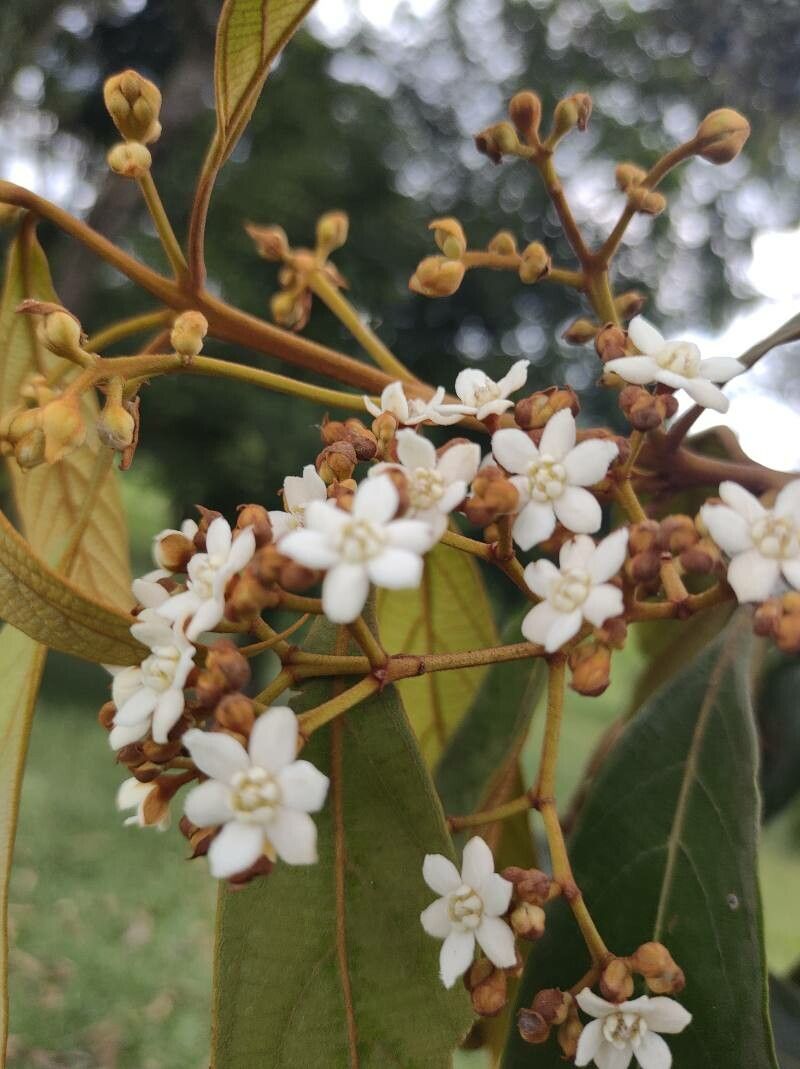
Oh, hello there, fellow plant enthusiast! Come on in, grab a mug. I’m so glad you’re interested in propagating Nectandra oppositifolia. It’s such a gorgeous tree, isn’t it? With its lovely foliage and its subtle fragrance, it really brings a touch of the tropics to any garden. Growing new plants from cuttings or seeds is one of the most satisfying things a gardener can do. It’s like magic, really, watching a tiny piece of a beloved plant transform into a brand new life. And the good news? Nectandra oppositifolia is generally quite forgiving, making it a wonderful choice even if you’re just dipping your toes into propagation.
The Best Time to Start
For the highest success rate with Nectandra oppositifolia, you’ll want to take cuttings in late spring or early summer. This is when the plant is actively growing, and those young, semi-hardwood stems have a good balance of flexibility and resilience. They’re not too soft and floppy like brand new growth, but they haven’t hardened off completely like old wood. It’s the sweet spot for rooting.
Supplies You’ll Need
Here’s what you’ll want to have ready before you dive in:
- Sharp Pruning Shears or a Clean Knife: Essential for making clean cuts. Dull tools crush stems and invite disease.
- Rooting Hormone: A powder or gel to encourage root formation. I usually opt for a medium-strength rooting hormone.
- Well-Draining Potting Mix: A good blend is key. I like to use a mix of perlite, peat moss, and a bit of compost. You can also buy pre-made seedling or cutting mixes.
- Small Pots or Trays: Clean containers are important. I often reuse old nursery pots after giving them a good wash.
- Plastic Bags or a Propagator: To create a humid environment for your cuttings.
- Watering Can with a Fine Rose: For gently watering your cuttings without disturbing them.
Propagation Methods
Let’s get our hands dirty! While Nectandra oppositifolia can be grown from seed, taking stem cuttings is a more common and generally faster way to get new plants.
Stem Cuttings:
- Select Your Cutting: Look for a healthy, vigorous stem that’s roughly the thickness of a pencil. You want a section that has grown this season, but it should have started to firm up a little. Avoid very soft, new, leafy growth or very woody, old stems.
- Make the Cut: Using your sharp pruning shears, make a clean cut just below a leaf node. A leaf node is where a leaf attaches to the stem. This is where root hormones are most concentrated. Your cutting should be about 4-6 inches long.
- Prepare the Cutting: Gently remove the lower leaves from your cutting. You can leave one or two sets of leaves at the top. If the leaves are very large, you can even cut them in half horizontally to reduce water loss.
- Apply Rooting Hormone: Dip the cut end of the stem into your rooting hormone, tapping off any excess. Make sure the hormone covers about an inch of the stem where you removed the leaves.
- Plant Your Cutting: Gently insert the hormone-coated end into your prepared potting mix. Make a small hole with your finger or a pencil first to avoid wiping off the hormone. Firm the soil around the stem.
- Create Humidity: Water the soil gently. Then, place the pot inside a plastic bag or cover it with a clear plastic lid to create a mini-greenhouse effect. Make sure the leaves aren’t touching the plastic if possible, as this can encourage rot. You can use stakes to prop up the bag.
- Place in Bright, Indirect Light: Find a warm spot with plenty of bright, indirect sunlight. Avoid direct sun, which can scorch the delicate leaves and dry out your cutting too quickly.
The “Secret Sauce” (Pro Tips)
Here are a few little tricks that have helped me over the years:
- Bottom Heat is Your Friend: If you have a greenhouse or a sunny windowsill, placing your pots on a heat mat can significantly speed up root development. It mimics the warm soil conditions of their native habitat.
- Don’t Let Them Drown: While humidity is crucial, avoid letting the potting mix become waterlogged. Soggy soil is a fast track to rot. Err on the side of slightly dry rather than too wet. Check the moisture level by feel.
- Cleanliness is Next to Greenness: Always use sterilized tools and clean pots. This simple step can prevent a whole host of fungal diseases that can kill your cuttings before they even get a chance to root.
Aftercare & Troubleshooting
Once your cuttings have rooted, you’ll start to see new growth appearing. This is a good sign! You might notice tiny leaves unfurling. To check for roots, you can give the cutting a very gentle tug. If you feel resistance, healthy roots have formed.
At this point, you can gradually acclimate your new plant to normal humidity by opening the plastic bag a little more each day over a week. Continue to water as needed, keeping the soil consistently moist but not soggy.
The most common issue you’ll encounter is rot. If your cutting turns black and mushy, it’s likely succumbed to rot. This usually happens from overwatering or poor air circulation. If you see signs of rot, unfortunately, it’s best to discard the cutting to prevent it from spreading. Yellowing leaves on an otherwise healthy cutting can also indicate a need for more light or gentle fertilization once it’s established.
Let’s Grow!
Don’t be discouraged if your first few attempts aren’t perfect. Propagation is a journey, and every plant you try, every cutting you take, teaches you something new. The reward of nurturing a new life from a small piece of your beloved tree is truly special. Be patient, enjoy the process, and soon you’ll have your very own little Nectandra oppositifolia to share! Happy gardening!
Resource: