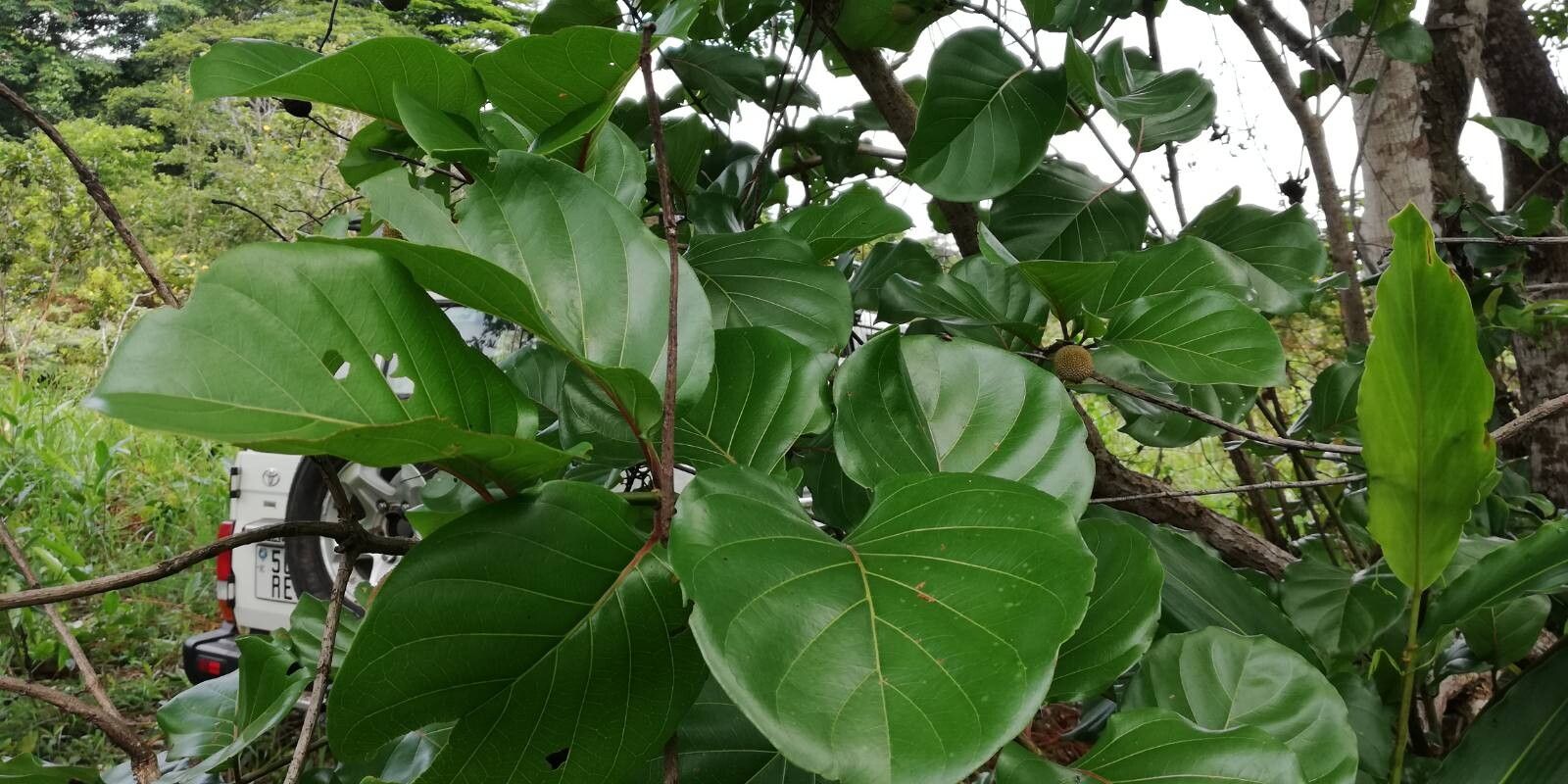
Hello there, fellow plant lover! Today, we’re diving into the wonderful world of propagating Nauclea latifolia. If you haven’t met this beauty yet, you’re in for a treat. It’s often known as the African pinwheel or African peach, and its charming, often fragrant flowers are a real delight. Plus, there’s something incredibly satisfying about watching a tiny cutting transform into a thriving new plant. It’s a journey I’ve enjoyed countless times.
Now, for the beginners among you, I’d say Nauclea latifolia is moderately easy to propagate. It’s not quite as foolproof as a pothos, but with a little care and attention, you’ll likely have success. It’s a rewarding challenge that will boost your confidence!
The Best Time to Start
Honestly, the late spring or early summer is your golden ticket for propagating Nauclea latifolia. This is when the plant is actively growing, brimming with energy. You want to take your cuttings from healthy, vigorous stems that haven’t yet flowered. Think of it as capturing that peak growth phase – your new babies will thank you for it!
Supplies You’ll Need
Gathering your tools upfront makes the whole process smoother. Here’s what I usually have on hand:
- Sharp pruning shears or a clean, sharp knife: For taking clean cuts.
- Rooting hormone powder or liquid: This really gives your cuttings a boost.
- Well-draining potting mix: A blend of peat moss, perlite, and coarse sand is often a good choice. You want something that won’t hold too much moisture.
- Small pots or propagation trays: Clean ones, of course!
- Clear plastic bags or a propagation dome: To create a humid environment.
- Watering can with a fine rose or a spray bottle: For gentle watering.
Propagation Methods
Let’s get our hands dirty! Stem cuttings are generally the most reliable method for Nauclea latifolia.
Stem Cuttings
- Select your stem: Look for a healthy, non-woody stem that’s about 4-6 inches long. Make sure it has at least a couple of sets of leaves.
- Make the cut: Using your sharp shears or knife, make a clean cut just below a leaf node (where a leaf grows from the stem). This is where roots are most likely to form.
- Prepare the cutting: Gently remove the lower leaves, leaving only a few at the top. This prevents them from rotting in the soil. If the leaves are very large, I’ll snip them in half horizontally to reduce water loss.
- Apply rooting hormone: Dip the cut end into the rooting hormone, tapping off any excess.
- Pot it up: Fill your small pot with your prepared well-draining mix. Make a little hole in the center with your finger or a pencil.
- Insert the cutting: Gently push the cut end of the stem into the hole. Firm the soil gently around the base to ensure good contact.
- Water and cover: Water gently until the soil is moist, but not waterlogged. Then, cover the pot with a plastic bag or place it under a propagation dome. This creates that vital humid microclimate.
The “Secret Sauce” (Pro Tips)
Now for a couple of things I’ve learned over the years that can make a real difference:
- Bottom Heat is Magic: Nauclea latifolia absolutely loves a bit of warmth from below. Placing your pots on a heat mat (specifically designed for plants) can dramatically speed up root development. It mimics the coziness of tropical soil.
- Air Circulation is Key: While we want humidity, too much stagnant air can lead to fungal issues. Open the plastic bag or dome for a few minutes each day to allow for fresh air exchange. It’s a delicate balance, but so important!
Aftercare & Troubleshooting
Once your cuttings are potted, find them a spot with bright, indirect light. Keep the soil consistently moist, but never soggy. You’ll know the roots are developing when you see new leaf growth. This can take anywhere from a few weeks to a couple of months – so be patient!
The most common hitch you might encounter is rot. If your cutting looks limp and mushy, or if you notice dark, soft spots, it’s likely because the soil is too wet or there’s not enough air circulation. In this case, sadly, you’ll probably need to discard it and start again, this time focusing on that well-draining mix and daily airing.
A Warm Encouragement
Propagating plants is a beautiful dance with nature. Don’t get discouraged if your first try isn’t a runaway success. Each attempt is a learning experience, and the joy of seeing those tiny roots emerge is truly unparalleled. So, grab your tools, get your hands in the soil, and enjoy the process of bringing more green into your life! Happy growing!
Resource:
https://identify.plantnet.org/k-world-flora/species/Nauclea%20latifolia%20Sm./data