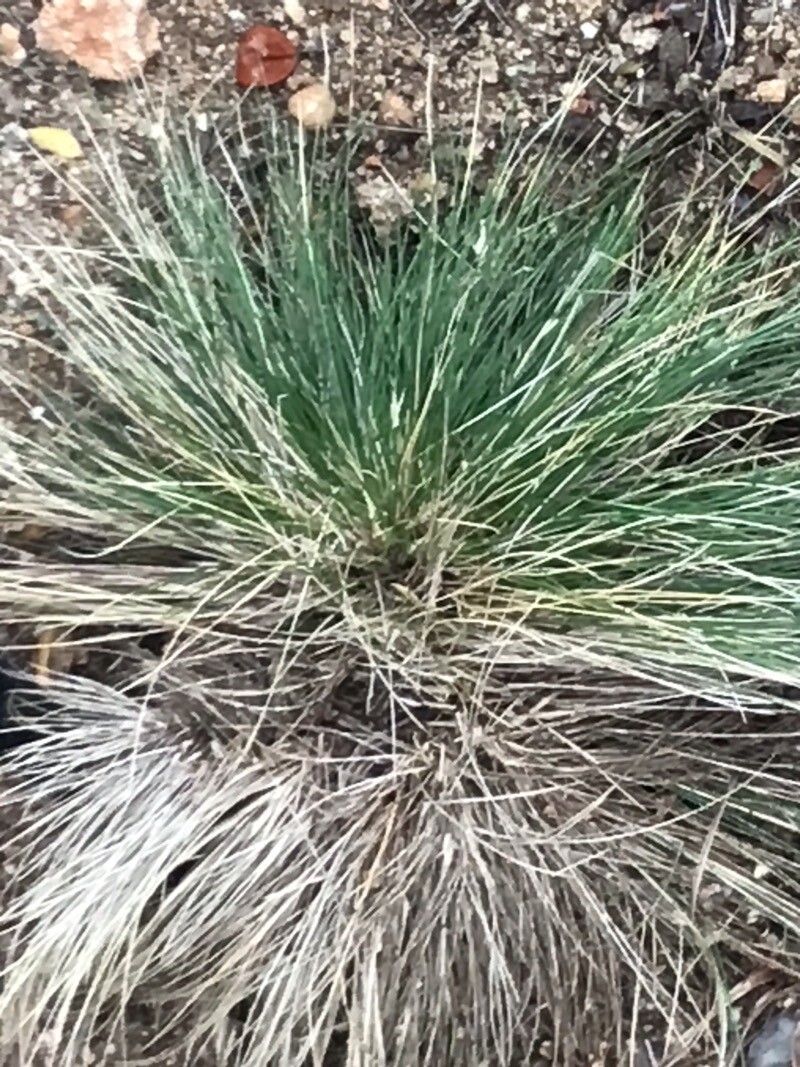
Ah, Nassella laevissima! If you’ve ever admired those graceful, arching blades of grass swaying in the breeze, you’ve likely encountered this beauty. Often called Chilean Feather Grass or simply Nassella ‘Silver Spear’, it brings such a lovely texture and movement to any garden. It’s a real winner for its fine, silvery-green foliage and delicate, airy flower plumes. Honestly, seeing new little clumps spring to life from a plant you already love? That’s pure garden joy, and I’m thrilled you’re thinking about propagating it! For beginners, I’d say Nassella laevissima is moderately easy, especially if you choose the right method.
The Best Time to Start
The sweet spot for propagating Nassella laevissima is really spring, just as the plant is waking up from its winter rest. You want to catch it when it’s actively growing but hasn’t yet put all its energy into flowering. Starting around April or May here in my garden usually gives the best results, whether you’re taking cuttings or dividing.
Supplies You’ll Need
Gathering your tools beforehand makes everything so much smoother! Here’s what I always have on hand:
- Sharp, clean pruning shears or a sharp knife: For making clean cuts.
- Potting mix designed for well-draining conditions: I often use a blend of perlite, peat moss, and a little bit of coarse sand for my grasses. You can also find specific succulent or cactus mixes that work wonderfully.
- Small pots or seed trays with drainage holes: About 4-6 inches are perfect for starting.
- Rooting hormone (optional but helpful): A powder or gel can give your cuttings a boost.
- Watering can with a fine rose or spray bottle: To water gently without disturbing new roots.
- Labels and a marker: To keep track of what you planted and when!
- A warm, bright spot: Think about where it will get good light but avoid scorching direct sun if you’re starting from divisions in warmer weather.
Propagation Methods
While Nassella laevissima can be grown from seed, it’s a bit of a slow grower and can be finicky to start that way. For a more reliable and quicker path to more plants, I tend to favor division.
Division: The Gardeners’ Best Friend
This is my go-to method for grasses like Nassella leavissima, and it’s incredibly rewarding.
- Choose your plant: Select a healthy, mature clump. You’ll want to do this in early spring before new growth really takes off.
- Gently excavate: Carefully dig around the base of the plant with your trowel or spade, loosening the soil.
- Lift the clump: Work your spade or trowel underneath the entire root ball and gently lift the plant from the ground.
- Separate the divisions: This is the fun part! You can often gently pull the clump apart with your hands. If the roots are a bit stubborn, use your clean knife or shears to slice through the root ball, making sure each new division has plenty of roots and some leafy growth. Aim for divisions that are at least the size of your fist.
- Replant immediately: Plant each division into a prepared pot (using your well-draining mix) at the same depth it was growing before. Water them in thoroughly.
Water Propagation (for younger shoots)
While division is my top pick, you can sometimes get a new plant from a young, soft shoot if you’re careful. This is a bit more experimental, but worth a try!
- Wipe and trim: Choose a young, tender shoot that’s about 4-6 inches long. Gently wipe off any soil clinging to the base. Trim off any lower leaves that might sit below the waterline.
- Into the water: Place the shoot in a clean glass or jar filled with fresh water. Make sure no leaves are touching the water. This is crucial to prevent rot.
- Find a spot: Place the jar in a bright location, but out of direct, intense sunlight.
- Watch and wait: Change the water every few days. You should see tiny white root nubs starting to form after a few weeks.
- Plant when ready: Once the roots are about an inch long, you can carefully transplant them into pots filled with your well-draining potting mix.
The “Secret Sauce” (Pro Tips)
Here are a couple of things I’ve learned over the years that often make a big difference:
- Don’t overwater divisions! Once you’ve replanted your divisions, they need to establish. Water them well initially, then let the soil dry out slightly between waterings. Overwatering at this stage is a fast track to fungal issues.
- Bottom warmth is your friend (for water propagation): If you’re trying the water propagation method and live in a cooler climate, placing the jar on a gentle seedling heat mat can speed up root development significantly. Just a subtle warmth makes a difference.
- Patience with the root system: For both methods, remember that these plants are building their root system first. Don’t be alarmed if you don’t see tons of new leafy growth right away. The roots are the foundation!
Aftercare & Troubleshooting
Once your divisions are settled or your water-propagated cuttings have rooted and are planted, treat them much like established plants, but with a gentle touch.
- Watering: Water regularly, allowing the soil to dry out slightly between waterings. Good drainage is paramount.
- Light: Provide bright, indirect light. As they grow stronger, you can gradually introduce them to more sun.
- Troubleshooting: The most common issue you’ll encounter is rot, especially if things are too wet. If you see your new plants wilting, the leaves turning yellow and mushy, or a fuzzy grey mold on the soil surface, it’s a sign of too much moisture. Act quickly by reducing watering and ensuring good airflow. If it’s quite advanced, sadly, you might have to discard it and start again.
Embracing the Green Thumb Journey
Propagating Nassella laevissima is a wonderful way to fill your garden with its ethereal beauty. Don’t get discouraged if your first attempt isn’t perfect – gardening is a continuous learning process, and every season brings new lessons. Be patient, observe your plants, and enjoy the satisfaction of nurturing new life. Happy planting!
Resource: