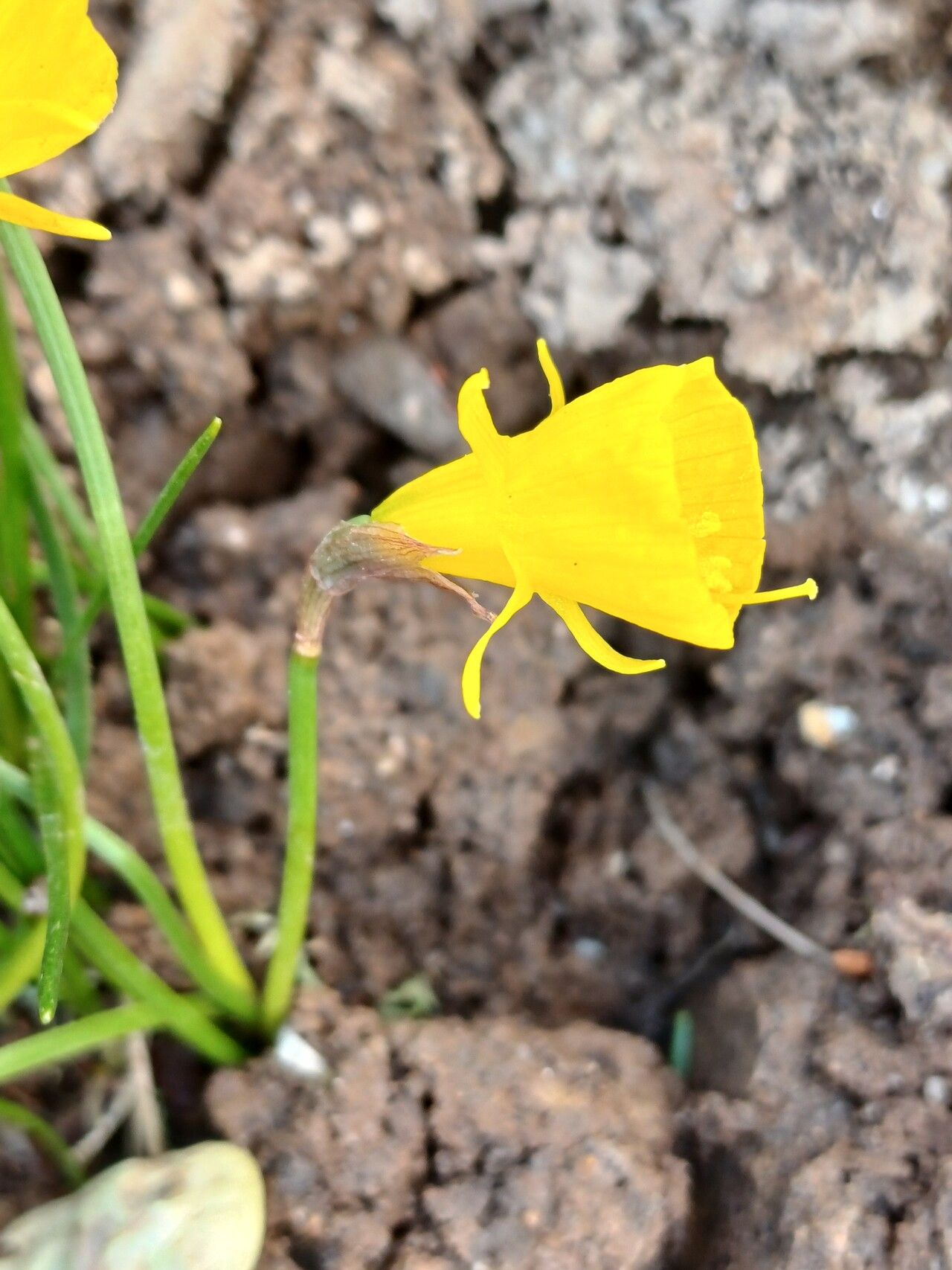
Bringing More Sunshine to Your Garden: Propagating Narcissus obesus
Hello, fellow garden lovers! You know those cheerful, vibrant Narcissus obesus in your garden? Their bold trumpets and bright colors just scream “spring!” Aren’t they just the most delightful ambassadors of the season? I’ve always found them incredibly rewarding to grow, and one of the greatest joys is multiplying them yourself. It’s like sharing a little bit of that sunshine with your future self, or even with friends. Now, I know some plant propagation can feel a bit daunting for beginners, but I’m happy to say Narcissus obesus are quite forgiving. You can absolutely do this!
The Best Time to Start
For Narcissus obesus, the absolute sweet spot for propagation is immediately after they finish flowering and the foliage begins to yellow. This is usually in late spring to early summer. The bulbs have essentially stored up all their energy for the bloom, and now they’re ready to put that energy into growing and, importantly for us, dividing. Trying to propagate while they’re actively growing or still green can stress them out, and we want happy, healthy bulbs!
Supplies You’ll Need
Here’s what you’ll want to have on hand:
- A sharp, clean trowel or small spade: For carefully lifting bulbs.
- Potting soil: A good quality, well-draining mix is key. I often use a blend of regular potting soil with some added coarse sand or perlite to improve drainage, especially for bulbs.
- Seedling trays or small pots: For replanting your divisions.
- Gloves: Optional, but can keep your hands clean.
- A watering can with a fine rose: For gentle watering.
- A trowel or knife (for division): If your bulbs are very tightly clumped.
Propagation Methods: The Simple Dance of Division
Narcissus obesus primarily propagate through a natural process called division. Over time, the main bulb will produce smaller offsets, or “daughter bulbs,” right alongside it. It’s their way of spreading and ensuring more beautiful blooms next year.
- Digging Up the Bulbs: When the foliage is starting to yellow and die back, it’s time to gently dig. Insert your trowel or spade a good distance away from the plant, aiming to go underneath the bulb clump without damaging them. Carefully lift the entire clump out of the soil.
- Cleaning the Bulbs: Gently brush off as much of the excess soil as you can. You don’t need to scrub them clean, just remove the bulk so you can see what you’re working with.
- Separating the Offsets: This is where the magic happens! You’ll see smaller bulbs attached to the main bulb. You should be able to gently pull or twist these offsets away. If they’re very tightly attached, you can use a clean, sharp knife or trowel to carefully cut them apart, ensuring each offset has at least a small basal plate (where the roots will grow from). Don’t worry if you lose a few tiny roots in the process; they’ll regrow.
- Replanting: Your separated bulbs can be replanted immediately. Dig a hole about 6-8 inches deep (roughly twice the height of the bulb). Place the bulb pointed-end up. Space them about 4-6 inches apart. Water them in well.
The “Secret Sauce” (Pro Tips)
Here are a couple of little tricks I’ve learned over the years that can make a big difference:
- Let them “rest” briefly (optional but helpful): After separating, if you’re not planting immediately, you can let the bulbs sit in a dry, shaded spot for a day or two. This allows any tiny cuts to callus over a bit, which can reduce the risk of fungal issues. However, for Narcissus obesus, I usually replant them right away, and they’re perfectly happy.
- The “3 Times Rule” for planting depth: I always tell folks to plant their bulbs at a depth that is three times the height of the bulb itself. This provides good insulation and encourages strong root development. So, if your bulb is 2 inches tall, plant it about 6 inches deep.
Aftercare & Troubleshooting
Once your new Narcissus obesus bulbs are in the ground, give them a good watering. For the first few weeks after replanting, keep the soil consistently moist, but not waterlogged. As they establish, you can return to normal watering routines for your area.
The most common “troubleshooting” issue with bulb propagation is rot. This usually happens if the bulbs are kept too wet, especially if they don’t have good drainage. You might see the bulb turn mushy and black. If you notice this, it’s best to remove the affected bulb to prevent it from spreading. The good news is, if you planted healthy, firm bulbs with good drainage, rot is less likely to be a problem.
A Encouraging Closing
Propagating Narcissus obesus is such a satisfying way to expand your garden’s beauty. Be patient with the process; it takes time for those new bulbs to mature and put on a spectacular show. But every spring, when you see those familiar, cheerful faces nodding in the breeze, you’ll remember the joy of having grown them yourself. Happy planting, my friends!
Resource:
https://identify.plantnet.org/k-world-flora/species/Narcissus%20obesus%20Salisb./data