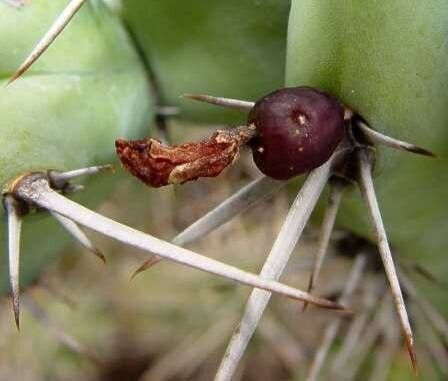
Hello, fellow plant lovers! Today, we’re diving into the wonderful world of Myrtillocactus cochal, a cactus that’s really captured my heart over the years. You might know it as the “Chirihuin” or “Blue Candle” cactus. Its striking blue-green stems, often adorned with charming spines, bring a unique architectural beauty to any collection. Plus, propagating it is incredibly rewarding, a chance to witness life springing from a piece of the parent plant. Now, I’ll be honest, while not difficult, cacti have their own rhythms. Myrtillocactus cochal is moderately easy to propagate, especially once you understand what it needs. It’s a fantastic project for those who want to step up their propagation game.
The Best Time to Start
Timing is everything in the garden, and for propagating Myrtillocactus cochal, the late spring or early summer is your sweet spot. This is when the plant is actively growing and has the most energy. You’re looking for healthy, mature stems that are firm and not mushy or overly soft. Think of it as giving your new baby cactus the best possible start with plenty of warmth and light.
Supplies You’ll Need
Before we get our hands dirty, let’s gather our tools. Having everything ready makes the process smooth sailing.
- Clean, sharp pruning shears or a knife: Essential for making clean cuts. Sterilize them with rubbing alcohol to prevent disease.
- Rooting hormone (optional but recommended): A little dust or powder can give your cuttings a significant boost.
- Well-draining soil mix: A succulent or cactus mix is ideal. You can also make your own by combining equal parts potting soil, coarse sand, and perlite or pumice.
- Small pots or trays: terracotta pots are great as they allow the soil to breathe.
- Gloves: Cacti spines can be a pain!
- Newspaper or cardboard: For placing cuttings on before planting.
Propagation Methods
Myrtillocactus cochal is best propagated from stem cuttings. This method is super effective and gives you a high success rate.
- Take Your Cuttings: With your sterilized shears, choose a healthy, firm stem segment. Aim for pieces that are at least 4-6 inches long. Make a clean cut at a joint or where the stem feels solid. If you see any signs of mushiness, move to a healthier spot.
- Let Them Callus: This is a crucial step! Place your cuttings on a piece of newspaper or cardboard in a bright, well-ventilated spot. Do not plant them immediately. You need the cut end to dry out and form a callus. This usually takes anywhere from 5-10 days, sometimes even longer depending on humidity. They are ready when the cut end looks dry and sealed. This prevents rot when you plant them.
- Apply Rooting Hormone (Optional): If you choose to use it, dip the callused end of the cutting into the rooting hormone powder, tapping off any excess.
- Plant Your Cuttings: Fill your small pots or trays with your well-draining soil mix. Make a small hole in the center of the soil using your finger or a pencil. Gently insert the callused end of the cutting into the hole, ensuring it’s stable. You might need to prop it up with small stones or stakes if it’s too wobbly.
- Initial Watering: Do NOT water immediately after planting. Wait for about a week to allow the cutting to settle and further heal any tiny wounds.
The “Secret Sauce” (Pro Tips)
Here are a few tricks I’ve learned over the years that can make all the difference:
- Bottom Heat is Your Friend: If you can, place your pots on a propagation mat set to a low temperature (around 70-75°F or 21-24°C). This gentle warmth encourages root development without drying out the cutting. It’s like a cozy little spa for your new cactus babies!
- Less is More with Watering: When you do start watering, do so sparingly. Water thoroughly when the soil is completely dry, then let it dry out again. Overwatering is the quickest way to kill a succulent cutting. You’re aiming for just enough moisture to encourage root growth, not to create a swamp.
- Observe, Don’t Disturb: Resist the urge to tug on your cuttings to check for roots. They are delicate and can be easily damaged. Patience is key! You’ll know roots are forming when you see new growth or the cutting feels firmly anchored in the soil.
Aftercare & Troubleshooting
Once your Myrtillocactus cochal cuttings have developed roots (which can take several weeks to a few months), they are ready for a little more attention.
- Light: Gradually introduce them to bright, indirect sunlight. Avoid intense, direct sun, which can scorch their tender new tissues.
- Watering: Continue with the sparing practice of watering only when the soil is dry. As they grow, you can increase the frequency slightly but always err on the side of underwatering.
- Repotting: Once your new plants are a decent size and you see consistent growth, you can transplant them into slightly larger pots with fresh cactus mix.
The most common sign of failure is rot. If you notice your cutting becoming soft, mushy, or turning black and slimy, it’s likely succumbed to rot. This is usually due to too much moisture, insufficient callusing, or contaminated soil. If you catch it early, you might be able to cut away the rotten part and try again.
A Little Bit of Patience Goes a Long Way
Propagating Myrtillocactus cochal is a beautiful journey of creation. It might take a little time, and there might be a few learning curves, but watching a tiny piece of plant transform into a thriving specimen is incredibly satisfying. So, grab your shears, get your hands a little dirty, and enjoy the process. Happy propagating!
Resource: