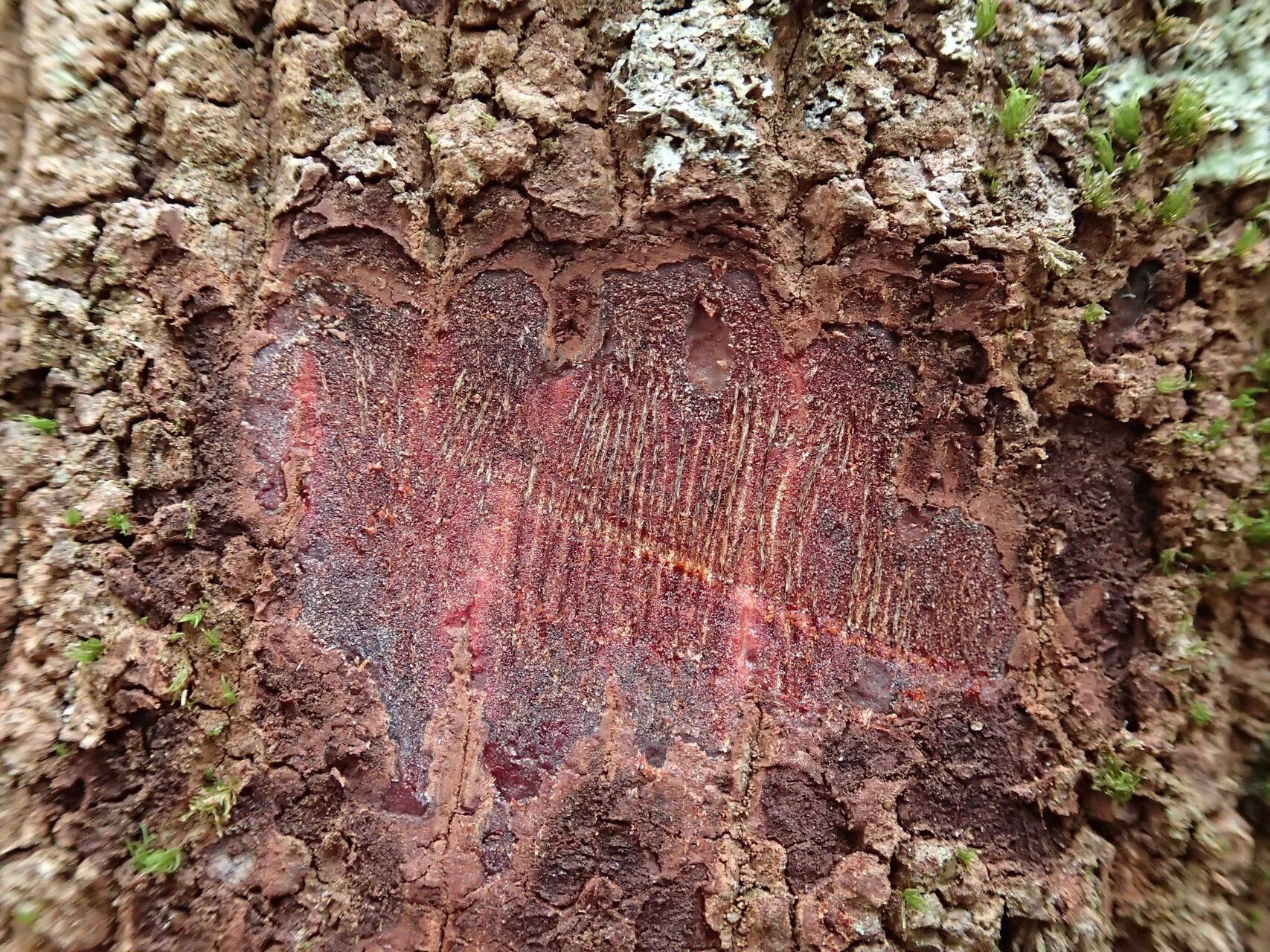
Ah, the Myrsine arborea! If you’ve ever swooned over its glossy, leathery leaves and elegant form, you’re not alone. This beauty, often called the Cape Ash or Glossy Myrtle, brings a touch of lush sophistication to any garden or indoor space. And let me tell you, the joy of nurturing a brand new plant from a tiny cutting or division? It’s pure magic. Propagating Myrsine arborea, while not perhaps the absolute easiest plant for a total beginner, is incredibly rewarding and definitely achievable with a little patience and the right approach.
The Best Time to Start
For the highest chances of success with your Myrsine arborea, I always recommend starting in the late spring to early summer. This is when the plant is actively growing and has plenty of energy. You’re looking for semi-hardwood cuttings, meaning the stems are starting to firm up but are still somewhat pliable, not yet woody and stiff. Think of it as the “sweet spot” between brand new, floppy growth and old, established wood.
Supplies You’ll Need
Gathering your tools beforehand makes the whole process smoother. Here’s what I usually have on hand:
- Sharp Pruning Shears or a Clean Knife: For making precise cuts.
- Rooting Hormone (Optional but Recommended): A powder or gel can significantly boost rooting.
- Potting Mix: I prefer a well-draining mix for cuttings. A good blend is 50% perlite and 50% peat moss or coco coir.
- Small Pots or Seedling Trays: With drainage holes, of course!
- Clear Plastic Bags or a Propagator Lid: To create a humid environment.
- Water: For mister bottles and, if you’re going that route, for the propagation itself.
- Labels: You’ll thank me later when you have multiple little green projects going!
Propagation Methods
Let’s get our hands dirty! While Myrsine arborea can sometimes be propagated from seed, it’s a much slower process. For quicker results and to ensure you get a true clone of your parent plant, stem cuttings are my go-to.
Stem Cuttings
- Select Your Cuttings: Go out to your established Myrsine arborea and find those semi-hardwood stems. You’re looking for pieces that are about 4-6 inches long.
- Make the Cut: Using your sharp shears or knife, make a clean cut just below a leaf node (the point where a leaf attaches to the stem). This is where roots tend to form most readily.
- Prepare the Cutting: Gently strip off any lower leaves, leaving just 2-3 leaves at the top. If the remaining leaves are very large, I like to cut them in half horizontally. This reduces water loss while still allowing for photosynthesis.
- Apply Rooting Hormone (Optional): Dip the cut end of the stem into your rooting hormone, tapping off any excess.
- Potting Up: Fill your small pots with your prepared, moist potting mix. Make a little hole in the center with your finger or a pencil.
- Insert the Cutting: Place the dipped end of the cutting into the hole and gently firm the soil around it. You want good contact between the stem and the soil.
- Create Humidity: Water the soil gently to settle it. Then, cover the pot with a clear plastic bag or place it in a propagator with a lid. If you’re using a bag, you might want to insert a couple of stakes to keep the bag from resting on the leaves.
- Find a Spot: Place your cuttings in a bright spot that gets indirect light. Avoid direct sun, which can scorch the delicate cuttings.
The “Secret Sauce” (Pro Tips)
Here are a couple of things I’ve learned over the years that can really make a difference:
- Bottom Heat is Your Friend: If you have a seedling heat mat, placing your pots on it can significantly speed up root development. It mimics the warmth of the soil in summer and encourages those roots to sprout faster. Just ensure your potting mix doesn’t dry out due to the heat.
- Don’t Drench, Mist: While the soil should be moist, you don’t want soggy conditions. For your cuttings under cover, a quick daily misting with water can keep the leaves turgid and the humidity high, preventing them from drying out before they can root.
Aftercare & Troubleshooting
Once your cuttings show signs of new growth, like tiny leaves unfurling or a slight tug resistance when gently pulled (indicating roots have formed), it’s time to start acclimatizing them.
Gradually remove the plastic cover over a week or so, opening it up a little more each day. Continue to keep them in bright, indirect light and water when the top inch of soil feels dry. Your goal is to transition them to normal room conditions.
The main challenge you might face is rot. This usually happens if the cuttings are kept too wet or lack good air circulation. You’ll see the stem turning black and mushy, often starting at the soil line. If you see this, unfortunately, that cutting is likely lost. Prevention is key – ensure excellent drainage and don’t overwater.
A Encouraging Closing
Propagating plants is a journey, and like any good journey, it requires a bit of patience. Don’t get disheartened if not every cutting takes. Every attempt is a learning experience. Celebrate the successes, learn from the setbacks, and most importantly, enjoy the process of coaxing new life from your beloved Myrsine arborea. Happy growing!
Resource: