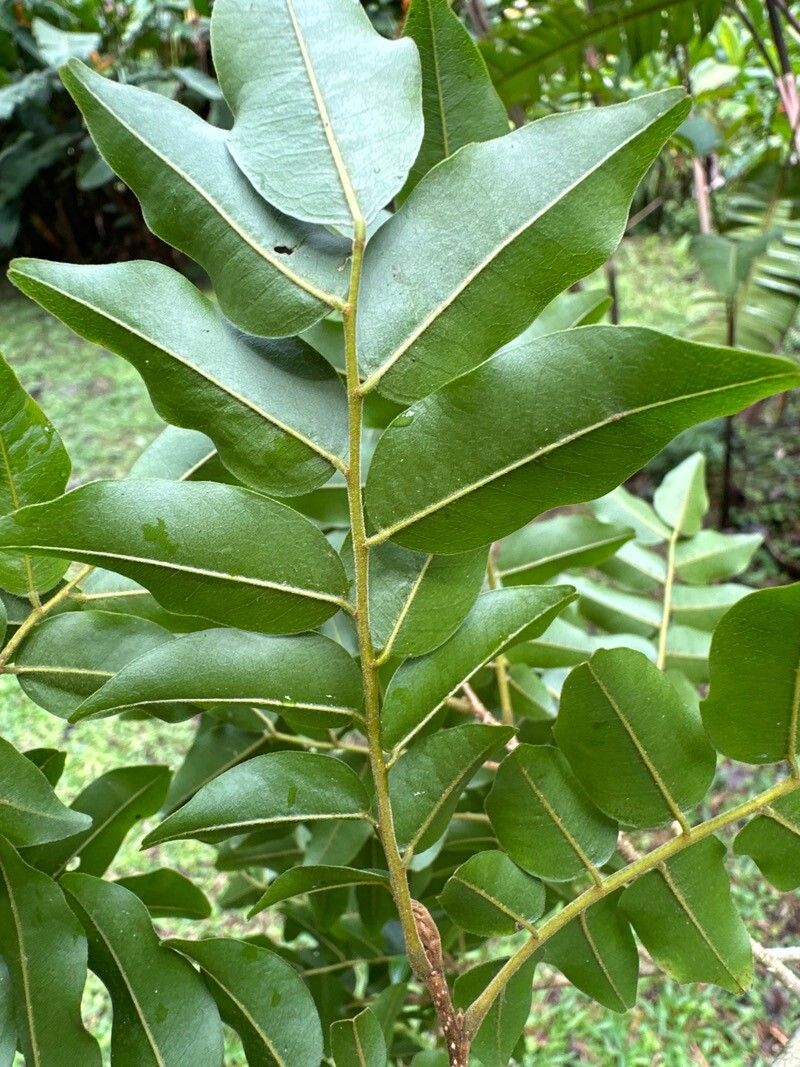
Hey there, fellow garden enthusiasts! Today, I want to chat about a plant that has truly captured my heart over the years: Myroxylon peruiferum, often known as Balsam of Peru. Its fragrant wood and beautiful, delicate flowers are just a delight. And the best part? With a little know-how, you can easily bring more of this wonderful tree into your own garden or home, or even share it with friends!
Now, I won’t lie to you; Myroxylon peruiferum can be a tad particular, especially for brand-new propagators. It’s not quite a ‘stick it in the ground and forget it’ kind of plant. But don’t let that deter you! With a bit of attention and understanding, you’ll be well on your way to success. Think of it as a rewarding challenge, a chance to really tune into what your plant needs.
The Best Time to Start
When it comes to Myroxylon peruiferum, timing is everything. The absolute best time to take cuttings and attempt propagation is during its active growing season. For most of us, this means late spring through early to mid-summer. You want to work with stems that are healthy, vigorous, and haven’t yet produced any woody growth. Think of that soft, bendy new growth – that’s the gold standard! Trying to propagate from dormant or stressed wood will almost always lead to disappointment.
Supplies You’ll Need
Gathering your supplies ahead of time makes the whole process so much smoother. Here’s what I usually have on hand:
- Sharp pruning shears or a clean, sharp knife: Essential for making clean cuts.
- Rooting hormone (powder or gel): This is your trusty sidekick for encouraging root development.
- A well-draining potting mix: I like a blend of perlite, peat moss, and a little bit of sand. About a 50/50 mix of potting soil and perlite is a great start.
- Small pots or propagation trays: Ensure they have drainage holes!
- Clear plastic bags or a propagator lid: To create a humid environment for your cuttings.
- Water spray bottle: For misting the cuttings and keeping humidity up.
- Bottom heat source (optional but recommended): A heat mat can significantly speed up root formation.
Propagation Methods
While Myroxylon peruiferum can be a bit fussy, stem cuttings are generally your most reliable method. I’ve found success with both softwood and semi-hardwood cuttings.
Taking Stem Cuttings:
- Select your parent plant: Choose a healthy, mature Myroxylon peruiferum that is actively growing.
- Make your cut: Using your clean shears, take cuttings that are about 4-6 inches long. Make the cut just below a leaf node (where a leaf attaches to the stem). This is where roots are most likely to form.
- Prepare the cutting: Gently remove the lower leaves from the cutting. You want to expose the node. Leave about 2-3 leaves at the top. If the remaining leaves are large, you can cut them in half horizontally to reduce water loss. This is a crucial step to prevent wilting.
- Dip in rooting hormone: Lightly moisten the cut end of the stem and dip it into your rooting hormone, tapping off any excess.
- Plant the cutting: Fill your pots with the well-draining potting mix. You can make a small hole with a pencil or your finger and gently insert the cutting. Firm the soil gently around the stem. Make sure the nodes where you removed the leaves are below the soil surface.
- Water gently: Water the soil thoroughly but avoid waterlogging it.
- Create humidity: Place the pot inside a clear plastic bag (loosely tied to allow some air circulation) or cover it with a propagator lid. This creates a miniature greenhouse.
- Provide light and warmth: Place the cutting in a bright location out of direct sunlight. If you have a heat mat, place the pot on it. Consistent warmth from below really makes a difference.
The “Secret Sauce” (Pro Tips)
Here are a few things I’ve learned over the years that can really boost your Myroxylon peruiferum propagation success:
- Don’t overcrowd your cuttings: Give each cutting enough space. If they are too close, they can harbor fungal diseases. I usually put one cutting per small pot.
- A foggy environment is your friend: Misting your cuttings every couple of days (or daily in very dry conditions) will help keep them hydrated and happy inside their humid little bubble. Just a light sprinkle, don’t soak them.
- Be patient with the roots: Myroxylon peruiferum can be slow to root. I often check by gently tugging on the cutting after about 6-8 weeks. If there’s resistance, you’re likely developing roots! Don’t be tempted to pull it out too early to check; that disrupts any developing root structure.
Aftercare & Troubleshooting
Once you feel those roots establishing (again, the gentle tug test is your best friend here!), it’s time for a little adjustment. Gradually reduce the humidity by opening up the plastic bag or propagator lid a little more each day over a week. This helps the new plant acclimatize to normal room conditions. Continue to water when the top inch of soil feels dry, and keep it in bright, indirect light.
The biggest challenge you might face is rot. This usually happens from overwatering or poor drainage. If you see your cutting looking limp, mushy, or developing black spots, it’s likely succumbing to rot. Unfortunately, a rotted cutting is usually a goner. My advice? Start again, making sure your soil is more well-draining and you’re not overwatering. It’s all part of the learning curve!
A Encouraging Closing
Propagating any plant is a journey, and Myroxylon peruiferum is no exception. There will be times when it works beautifully, and times when things don’t go quite as planned. Don’t get discouraged. Each attempt teaches you something new. So, grab your shears, get your hands in the soil, and enjoy the process of nurturing these beautiful new beginnings. Happy propagating!
Resource:
https://identify.plantnet.org/k-world-flora/species/Myroxylon%20peruiferum%20L.f./data