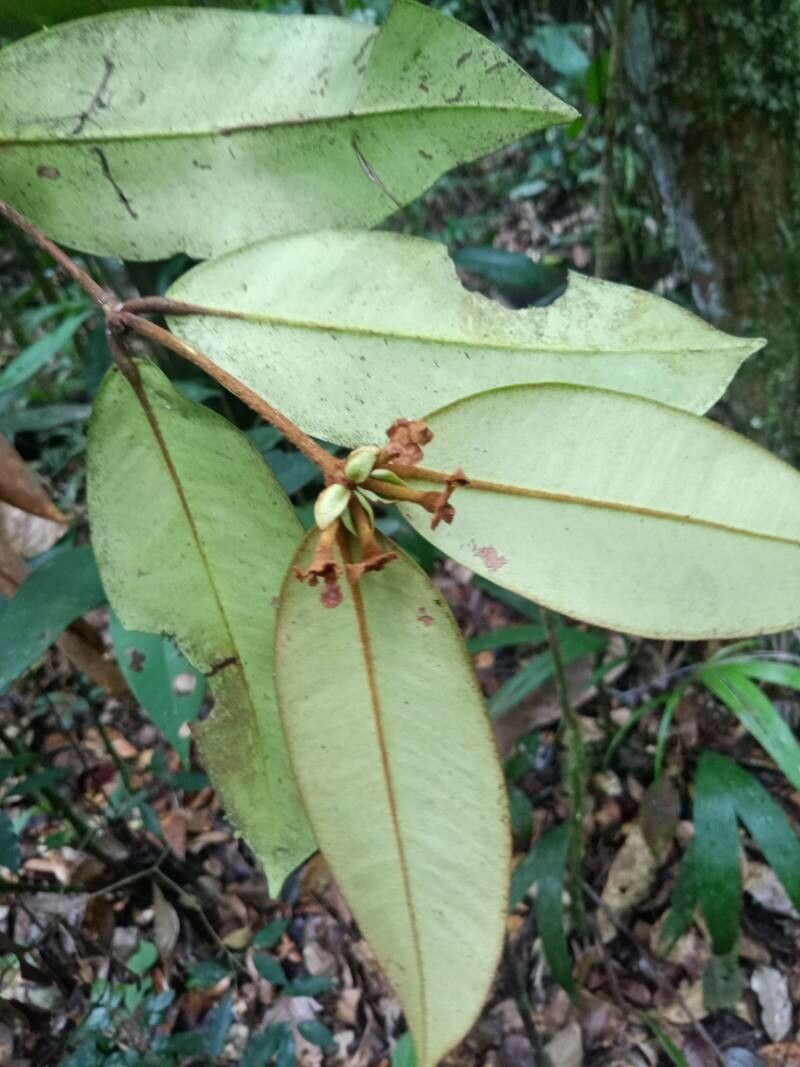
Oh, Myrcia neobracteata! Isn’t she a beauty? I’ve always loved this little gem. Those glossy leaves and often delicate, sometimes fragrant, flowers bring such a lovely touch to any garden, whether it’s an expansive landscape or a cozy balcony container. And the best part? You can easily multiply its charm! Propagating Myrcia neobracteata is incredibly rewarding. It’s not the most mind-bendingly difficult plant to propagate, but I’d say it’s best suited for someone who’s perhaps dabbled a bit before. A patient beginner or an intermediate gardener will find this a delightful project.
The Best Time to Start
When it comes to giving your Myrcia cuttings the best shot at success, spring or early summer is your golden ticket. This is when the plant is actively growing, putting out new shoots. These younger, softer stems are much more eager to root than older, woody growth. You want cuttings that are healthy and vigorous – a sure sign that the mother plant is in good spirits!
Supplies You’ll Need
Gathering your supplies beforehand makes the whole process so much smoother. Here’s what I usually have on hand:
- Sharp Pruning Shears or a Clean Knife: For taking clean cuts.
- Rooting Hormone: A good rooting powder or gel specifically for stem cuttings.
- A Well-Draining Potting Mix: I find a blend of perlite, coco coir, and a little bit of peat moss works wonders. About equal parts is a good start.
- Small Pots or Seed Trays: Clean ones, of course!
- Clear Plastic Bag or Humidity Dome: To keep those cuttings cozy and moist.
- Spray Bottle: For misting.
- Small Labels: So you don’t forget what you’ve planted!
Propagation Methods
Let’s get our hands dirty! Stem cuttings are my go-to method for Myrcia neobracteata.
- Take the Cuttings: On a healthy, actively growing stem, look for a section that’s about 4-6 inches long. Ideally, it should have a few sets of leaves. Using your sharp shears or knife, make a cut just below a leaf node (that little bump where the leaf attaches). This is where the magic of rooting usually happens. Remove the lowest leaves, leaving just a couple at the top.
- Apply Rooting Hormone: Dip the cut end of the stem into your rooting hormone. You don’t need a ton – just enough to coat the bottom inch or so. Gently tap off any excess.
- Plant Your Cuttings: Fill your clean pots with your prepared potting mix. Make a small hole in the center with your finger or a pencil. Gently insert the hormone-coated end of the cutting into the hole, ensuring it’s firm enough to stand upright. Firm the soil gently around the base.
- Water and Cover: Give the soil a gentle watering to settle it in. Then, use your spray bottle to lightly mist the leaves. To create a mini-greenhouse effect, place a clear plastic bag over the pot, securing it with a rubber band, or use a humidity dome. Make sure the leaves aren’t pressed against the plastic, as this can encourage rot.
The “Secret Sauce” (Pro Tips)
Now, for a few things I’ve learned over the years that really seem to boost success:
- Bottom Heat is Your Friend: If you can, place your pots on a heat mat designed for seedlings. Consistent, gentle warmth from below encourages root development like nothing else. It’s like a cozy spa treatment for your cuttings!
- Cleanliness is King (and Queen!): I can’t stress this enough. Sterilize your tools – your pruners, your knife, even your pots if they’ve been used before. This prevents the transfer of any nasty diseases that could sabotage your efforts. A quick wipe with rubbing alcohol is usually all it takes.
- Don’t Drown It: While cuttings need moisture, overwatering is a quick path to rot. The goal is consistently damp, not soggy, soil. Check the soil moisture regularly. If it feels dry an inch down, give it a light watering.
Aftercare & Troubleshooting
Once your cuttings have successfully rooted – you’ll usually see new leaf growth, or you can gently tug on a cutting and feel resistance – it’s time for a little more attention. Gradually remove the plastic bag or humidity dome over a few days to acclimate them to lower humidity. Continue to keep the soil consistently moist but not waterlogged.
What if things go wrong? The most common culprit is rot. If you see your cuttings turning mushy, blackening, or developing fuzzy mold, it’s usually a sign of too much moisture and/or not enough air circulation. Unfortunately, rotted cuttings are usually beyond saving. Don’t get discouraged! It happens to the best of us. Just toss the affected ones and try again, perhaps with a lighter hand on the watering this time.
A Encouraging Closing
Remember, gardening is a journey filled with learning and experimentation. Be patient with your little Myrcia babies. It takes time for them to establish themselves. Enjoy the process, celebrate every new leaf, and before you know it, you’ll have a whole little army of these lovely plants to share or admire. Happy propagating!
Resource: