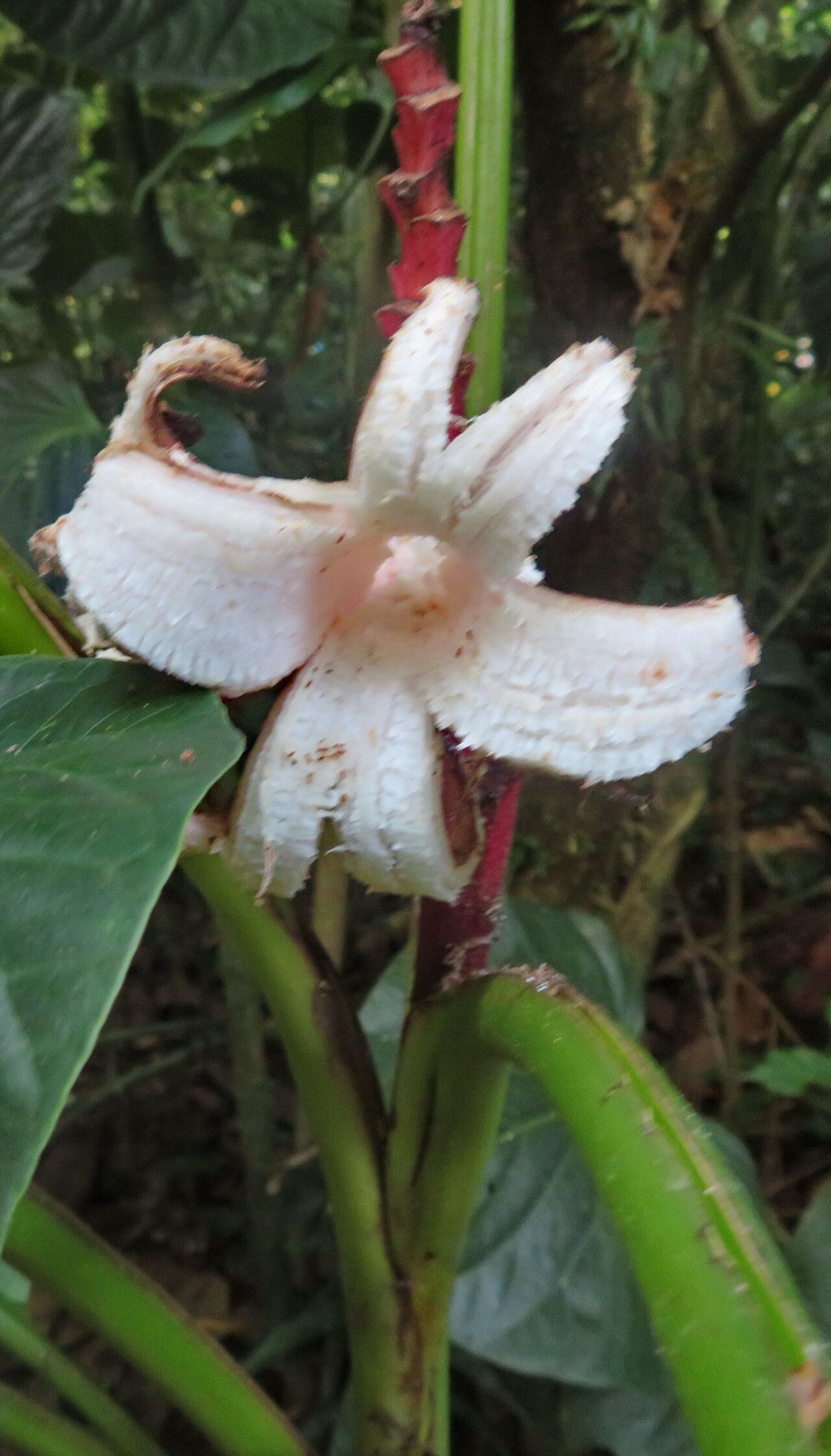
Oh, hello there, fellow plant enthusiast! Pull up a chair and let’s chat about one of my absolute favorite tropical delights: Musa velutina, the fuzzy pink banana. Seriously, this little banana is a stunner with its vibrant pink fruit and charming, compact size. If you’ve ever admired one and thought, “I wish I could have more of those!”, you’re in the right place. Propagating Musa velutina is a wonderfully rewarding experience, and while it might seem a little intimidating at first, I promise you, it’s quite achievable. For beginners? I’d say it’s moderately easy. You’ll need a touch of patience and a willingness to get your hands a bit dirty, but the satisfaction of nurturing a new plant from scratch is just so worth it.
The Best Time to Start
The absolute sweet spot for coaxing new Musa velutina babies into existence is during its active growing season. Think spring and early summer, when the plant is bursting with energy. You’re looking for a mature plant that’s already established and healthy. If you try too early or too late, you might find things are a bit slower to get going, and that’s okay, but spring gives you the best head start.
Supplies You’ll Need
Gathering your supplies is like prepping for a wonderful baking project. Here’s what I always have on hand:
- Sharp, clean pruning shears or a knife. Sterilize them with rubbing alcohol to prevent any yucky disease transfer.
- Well-draining potting mix. A standard potting mix amended with perlite and orchid bark works beautifully. You want something that won’t hold too much moisture.
- Small pots or propagation trays. Clean ones, of course!
- Rooting hormone (optional, but helpful!). I like to use a powdered form for division.
- Gloves. Unless you enjoy the feel of damp soil under your fingernails all the time!
- A spray bottle. For misting.
Propagation Methods
Musa velutina is most commonly and successfully propagated through division. It’s like splitting a cake into perfectly sized pieces! Here’s how I do it:
- Gently remove the mother plant from its pot. If it’s a large plant, you might need an extra pair of hands. Tip the pot on its side and ease the plant out. Shake off excess soil so you can see what’s happening at the base.
- Identify the pups. These are the smaller baby plants that grow from the base of the main plant. Look for ones that have their own root system visible.
- Carefully separate the pups. Using your clean shears or knife, gently cut or pull the pup away from the mother plant. Make sure each pup has at least one or two healthy roots attached. If the roots are tangled, don’t be afraid to tease them apart a little, but be gentle!
- Pot up your new babies. Fill your small pots with your prepared potting mix. Make a little well in the center for the pup’s roots.
- Plant the pup. Place the separated pup into the pot, ensuring the roots are spread out. Backfill with soil so the base of the pup is just covered. The soil level should be the same as it was on the mother plant.
- Water it in. Give each new pot a good watering until you see excess water draining from the bottom. This settles the soil around the roots.
The “Secret Sauce” (Pro Tips)
Now for a couple of things I’ve learned over the years that really give you an edge:
- Think like a tropical climate. Musa velutina loves warmth and a bit of humidity. After potting, I like to place the new divisions in a warm spot, out of direct, harsh sun. Sometimes, I’ll even put them in a mini greenhouse or cover the pots loosely with a clear plastic bag to create that humid microclimate. Just remember to Ventilate that bag daily or the humidity can turn into a problem!
- Don’t overwater the babies. It’s tempting to drench them, but overly wet soil can lead to rot, especially while they’re trying to establish. Let the top inch of soil dry out between waterings. It’s better to be slightly too dry than too wet at this stage.
Aftercare & Troubleshooting
Once your little Musa velutina divisions are potted, treat them with a little extra care for the first few weeks. Keep them in that warm, bright (but not scorching!) spot with good air circulation. You should start to see new leaf growth within a few weeks to a couple of months.
The most common issue you might encounter is rot. If you see the base of your pup turning mushy and black, or the leaves yellowing and wilting without any sign of new growth, it’s likely rot setting in. This is usually due to overwatering and poor drainage. Unfortunately, sometimes it’s a sign that the cutting hasn’t taken. Don’t get discouraged! Just remove the affected plant and reassess your watering and soil for your next attempt.
A Encouraging Closing
Propagating plants is a journey, not a race. There will be moments of excitement when you see that first leaf unfurl, and maybe occasional setbacks that teach you something new. Be patient with your Musa velutina divisions, give them a little love, and enjoy watching them grow into their own beautiful selves. Happy planting!
Resource:
https://identify.plantnet.org/k-world-flora/species/Musa%20velutina%20H.Wendl.%20&%20Drude/data