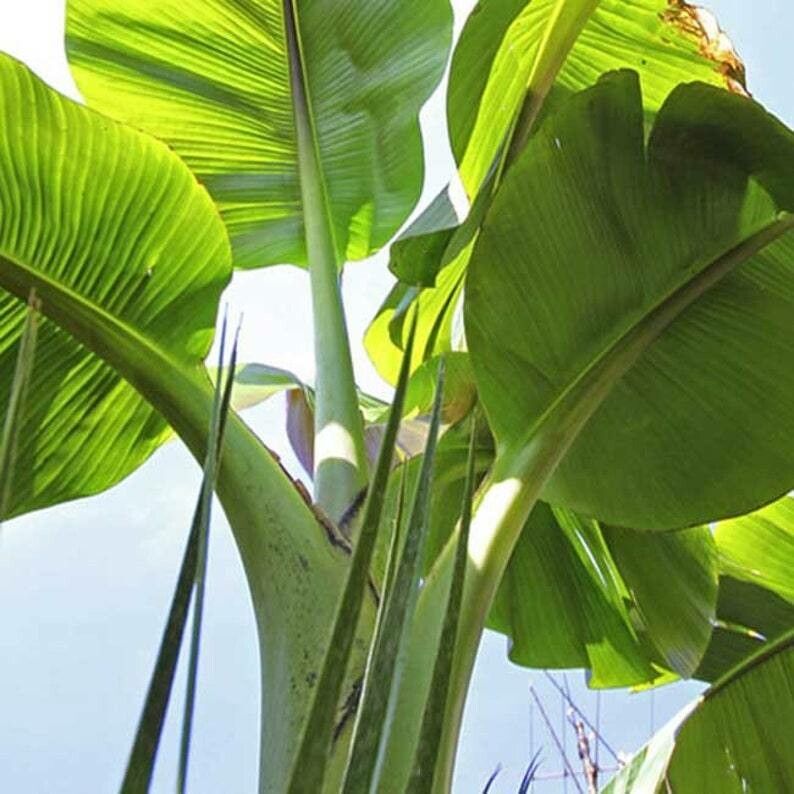
Hey there, fellow plant lovers! Today, we’re diving into the wonderful world of Musa sikkimensis, or as many of us fondly call it, the Sikkim banana. If you appreciate a dramatic, architectural statement in your garden – and who doesn’t? – then this banana species is a real showstopper. Its lush, deep green leaves, often with striking red undersides, bring an instant tropical vibe, even in cooler climates.
Propagating this beauty is incredibly rewarding. There’s a special kind of joy in nurturing a tiny offset into a magnificent new plant. For beginners, I’d say Musa sikkimensis is moderately easy to propagate. It’s not fussy like some orchids, but it does appreciate a little attention to detail. You’ll get the hang of it quickly, I promise!
The Best Time to Start
The absolute best time to think about propagation is when your Musa sikkimensis is actively growing, usually in late spring or early summer. This is when the plant has plenty of energy stored up, and the warmer temperatures and longer daylight hours are perfect for encouraging new root development. You’re essentially working with the plant’s natural momentum.
Supplies You’ll Need
Gathering your supplies beforehand makes the whole process smoother. Here’s what I usually have on hand:
- Sharp pruning shears or a clean, sharp knife: For making clean cuts.
- Rooting hormone (optional but recommended): A little boost can really help.
- A good quality potting mix: I like a mix that’s well-draining – about 50% potting soil and 50% perlite or coarse sand works wonders. For divisions, a slightly richer mix can be used.
- Small pots or seed trays: With drainage holes, of course!
- A spray bottle: For misting.
- Labels: So you don’t forget what you planted where!
- Dibber or pencil: To make planting holes.
- Clear plastic bag or propagator lid: To maintain humidity.
Propagation Methods
Musa sikkimensis is happiest when propagated through division. This is the most direct and successful method for this particular banana.
Here’s how I do it:
- Locate the Offsets: Look around the base of your mature Musa sikkimensis. You’ll see little baby banana plants, called pups or offsets, emerging from the main corm (the underground stem). The best ones to choose are those that are at least a foot tall and have a few leaves of their own.
- Carefully Excavate: Gently dig around the base of the offset you want to take. You’re trying to expose the connecting corm and roots as much as possible without causing too much damage. A trowel or even your hands can work here.
- Separate the Offset: Once you can see where the offset is attached to the mother plant’s corm, use your sharp pruning shears or knife to make a clean cut. Try to get as much of the offset’s root system as possible. If the fit is tight, you might need to wiggle it a bit, but a clean cut is always best.
- Inspect and Trim (if needed): Look at the cut surface. If there are any damaged or bruised parts, trim them away. You can also trim back any large leaves on the offset to reduce water loss, leaving just a couple of the newer, smaller ones.
- Apply Rooting Hormone (Optional): If you’re using rooting hormone, dip the cut base of the offset into the powder or gel. This isn’t strictly necessary for Musa sikkimensis, but it can speed things up.
- Plant Your New Baby: Fill your small pot with your well-draining potting mix. Make a hole with your dibber or pencil, place the offset in, and gently firm the soil around it. Ensure the base where the roots were is covered.
- Water Gently: Water the newly potted offset thoroughly but gently. You want to settle the soil around the roots without washing them away.
- Create a Humid Environment: This is crucial! Place the pot inside a clear plastic bag, leaving it open at the top initially, or use a propagator lid. This creates a mini-greenhouse effect, keeping humidity high, which is vital for new roots to form. You can gradually seal the bag or lid more tightly as you see signs of new growth.
The “Secret Sauce” (Pro Tips)
These are a few things I’ve learned over the years that make a real difference:
- Don’t Overwater (at first): While humidity is key, the soil itself shouldn’t be soggy. Let the top inch of soil dry out slightly between waterings. Overwatering at this early stage is a fast track to rot, and that’s heartbreaking.
- Bottom Heat is Your Friend: Bananas love warmth. Placing your pots on a heated propagator mat, especially if your house is on the cooler side, will significantly speed up root development. It mimics the warm soil they’d naturally find.
- Patience is a Virtue (and a Necessity): Don’t expect to see a new leaf unfurling overnight. It can take several weeks, sometimes even a couple of months, for a Musa sikkimensis offset to establish itself and show new growth. Keep it consistently warm and humid, and trust the process.
Aftercare & Troubleshooting
Once you see signs of new growth – maybe a tiny leaf beginning to unfurl or a stronger tug when you gently test the plant – you know roots are developing!
- Gradually Acclimate: As your new plant gets stronger, start to gradually acclimate it to normal room humidity. Slowly open the plastic bag or propagator lid over a week or two.
- Move to Brighter Light: Once it’s fully out of the bag, move it to a brighter spot, but avoid direct, scorching sun for the first few weeks. A bright, indirect light is perfect.
- Regular Watering: Now you can water more regularly, allowing the top inch of soil to dry out between waterings.
- Fertilizing (Later): Hold off on fertilizing until you see consistent, healthy new growth. Then, you can start with a diluted liquid fertilizer every few weeks during the growing season.
The most common sign of failure is rot. If your offset looks mushy, turns black, or just wilts without any sign of new growth after a long time, it’s likely succumbed to rot. This is usually due to overwatering, poor drainage, or insufficient warmth. Don’t be discouraged if this happens! It’s part of learning, and you can always try again.
A Encouraging Closing
Propagating Musa sikkimensis is a beautiful way to fill your garden with these stunning plants or share them with friends. Remember to be patient, provide consistent warmth and humidity, and believe in your green thumb. Enjoy the magical journey of watching your little offset transform into a magnificent banana plant! Happy propagating!
Resource:
https://identify.plantnet.org/k-world-flora/species/Musa%20sikkimensis%20Kurz/data