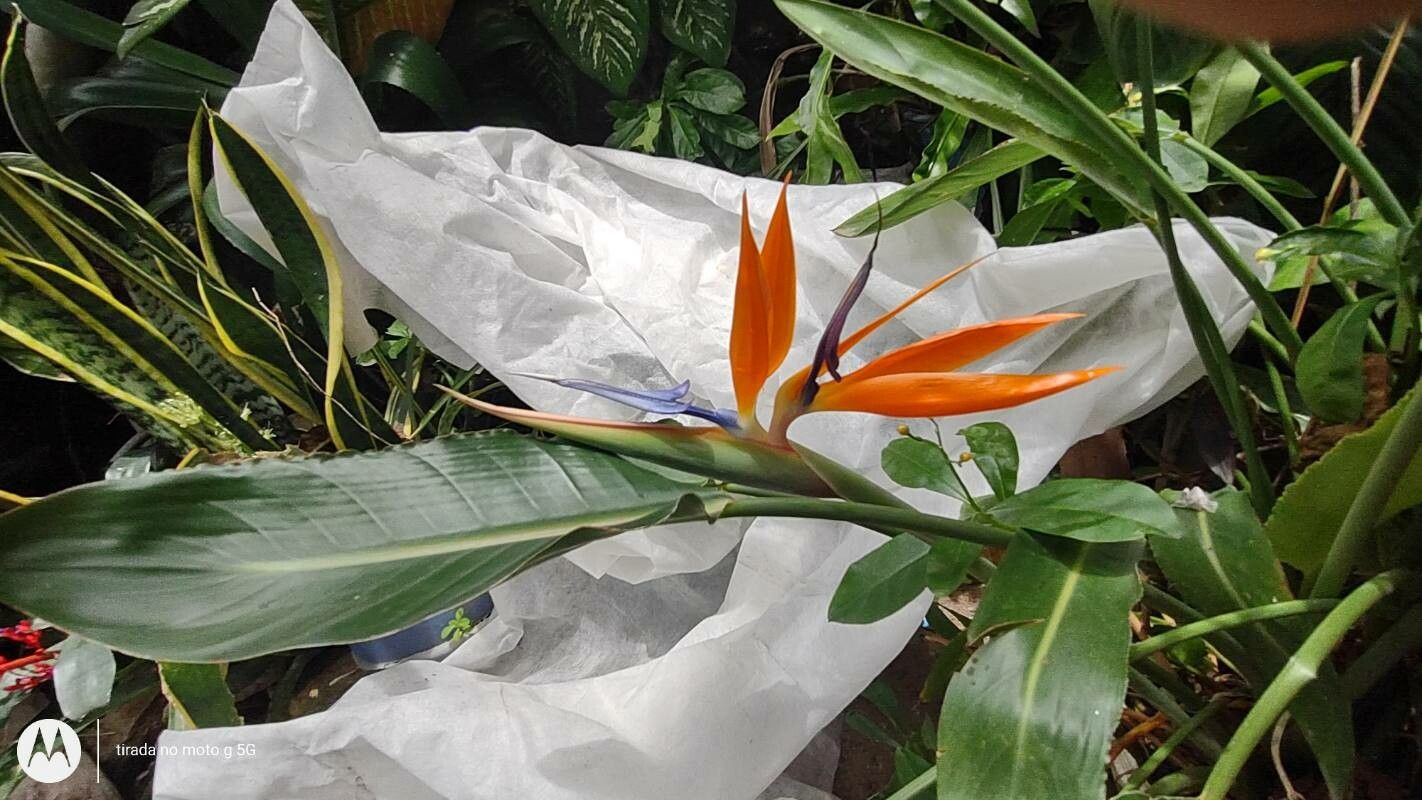
Oh, Musa beccarii! What a stunner. Those deep, crimson-streaked leaves always catch my eye. If you’ve ever admired this striking banana relative, you’re in for a treat. Propagating it is a really rewarding way to share its beauty or simply to expand your own collection without breaking the bank. Now, be honest, is it a beginner plant? For Musa beccarii, I’d say it’s a satisfying challenge for the enthusiastic beginner, but definitely doable with a little patience and the right approach.
The Best Time to Start
When it comes to getting new babies from your Musa beccarii, the best time is definitely when the plant is actively growing. Think late spring through the summer months. That’s when things are really kicking into gear, and your cuttings or divisions will have the most energy to put towards establishing themselves. Pushing them in the dead of winter is just asking for disappointment.
Supplies You’ll Need
Having everything ready makes the process so much smoother. Here’s what I usually gather:
- Sharp pruning shears or a clean, sharp knife: For making clean cuts.
- Well-draining potting mix: I like a blend of regular potting soil, perlite, and maybe a touch of coco coir. Think airy and not heavy. For divisions, you can use a slightly coarser mix.
- Rooting hormone (optional but recommended): A powder or gel really gives those new roots a boost.
- Small pots or propagation trays: With drainage holes, of course!
- Plastic bags or humidity domes: To create a mini greenhouse effect.
- Watering can or spray bottle: For gentle watering.
- A warm location: Ideally with good indirect light.
Propagation Methods
Musa beccarii throws off pups from its base, making division the most straightforward and successful method.
Division (Cloning from Pups):
- Assess your mother plant: Look for small, new shoots, or “pups,” that are emerging from the base of the main plant. Ideally, these pups should be at least a few inches tall and have a few leaves of their own.
- Gently expose the pups: Carefully dig around the base of the pup, using your hands or a trowel, to see how it’s attached to the parent plant. You want to identify a strong, individual root system.
- Make the cut: Using your sharp pruning shears or knife, carefully sever the pup from the mother plant. Try to get as much of the pup’s own root system as possible. If it feels a bit reluctant, it’s okay to make a clean cut through the connection.
- Let them callous (important!): This is key to preventing rot. Place the newly separated pup in a dry, shaded spot for a day or two. You’ll see that the cut end will start to dry and form a protective scab.
- Potting up: Fill your small pots with your well-draining potting mix. You can dip the calloused end of the pup into rooting hormone if you’re using it.
- Plant the pup: Make a hole in the soil and gently plant the pup, ensuring its roots are covered. Firm the soil gently around it.
- Water lightly: Give it a light watering, just enough to moisten the soil.
The “Secret Sauce” (Pro Tips)
Here are a couple of things I’ve learned over the years that really make a difference:
- Don’t drown your pups: When you’re watering after potting, be gentle. You want the soil to be moist, not soggy. Overwatering is the quickest way to invite rot, especially on those fresh cuts.
- Bottom heat is your friend: If you have a propagation mat or can place your pots in a warm spot that’s heated from below, it significantly speeds up root development. Bananas like it warm, and those roots will thank you for it.
- Mist, don’t soak, the leaves: If you’re using a plastic bag or humidity dome, mist the inside of the bag occasionally if it looks dry, but try to avoid spraying the leaves directly. Wet leaves sitting in stagnant air are prone to fungal issues.
Aftercare & Troubleshooting
Once your pup is potted and settled, it’s time to play the waiting game. Keep it in that warm, bright, indirect light location. Mist occasionally if you see the soil drying out too quickly, or if using a humidity dome, keep it on. You’ll know roots are forming when you see new leaf growth or feel a slight resistance when you gently tug on the plant.
The biggest hurdle you might face is rot. If you notice the base of your pup turning mushy, smelling funky, or developing black spots, unfortunately, it might be a lost cause. This is usually a sign of too much moisture or insufficient airflow. If you catch it early on a pup that’s still mostly intact, you can try to cut away the rotten parts with a very clean knife and let the healthier section callous over again before repotting in fresh, dry soil.
A Encouraging Closing
Propagating Musa beccarii is a journey. There might be a moment or two of suspense as you wait for signs of life, but seeing those first new leaves unfurl is pure gardening joy. Be patient, trust your instincts, and enjoy the process of nurturing these beautiful plants. Happy growing!
Resource:
https://identify.plantnet.org/k-world-flora/species/Musa%20beccarii%20N.W.Simmonds/data