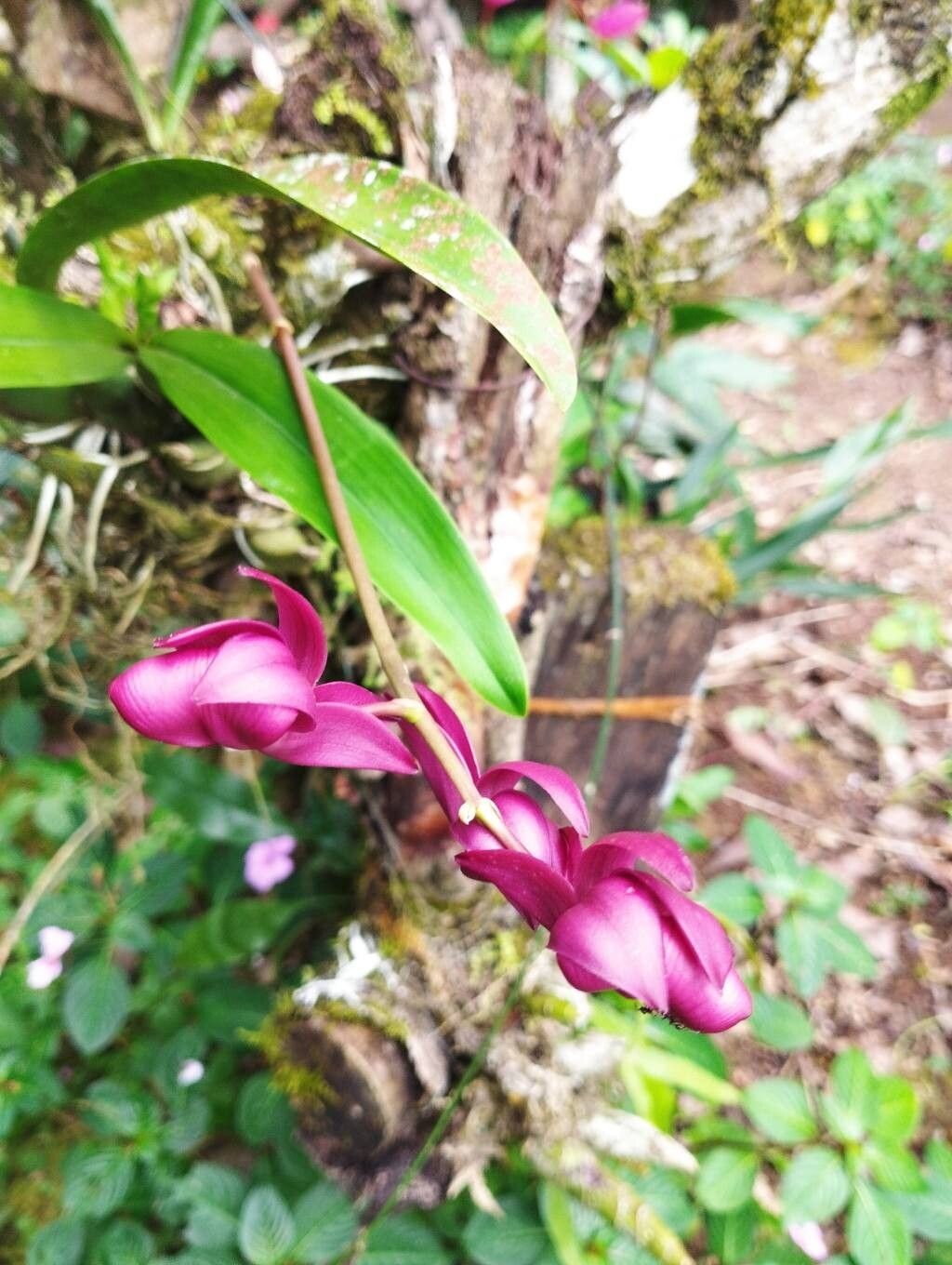
Hello, fellow plant enthusiasts! Today, we’re diving into the wonderful world of Mormodes horichii, a truly captivating orchid. If you’re drawn to unique blooms and the satisfaction of growing a plant from a tiny piece of its parent, then propagating Mormodes horichii is an adventure you’ll want to embark on. While it might seem a little intimidating at first glance, with a few key steps, you’ll be well on your way to new orchid babies!
The Best Time to Start
For Mormodes horichii, the prime time to think about propagation is during its active growing season. This usually means spring and early summer, when the plant is putting out new growth, leaves are plump, and it’s generally full of vigor. You’ll have the best chance of success when the plant is already strong and ready to invest energy into forming new roots and shoots.
Supplies You’ll Need
Gathering your tools beforehand makes the whole process smoother. Here’s what I keep handy:
- Sharp, sterilized pruning shears or a clean knife: Sterilization is crucial to prevent introducing diseases. A quick wipe with rubbing alcohol does the trick.
- Orchid potting mix suitable for epiphytes: This generally means a well-draining mix containing bark, perlite, and charcoal. You can find specific orchid mixes at most garden centers.
- Small pots or containers: Clean pots about 3-4 inches in diameter are perfect for new propagations. Make sure they have drainage holes!
- Rooting hormone (optional but recommended): A powder or gel can give your cuttings a helpful boost.
- Watering can with a fine rose or spray bottle: For gentle watering.
- Clear plastic bags or a propagation dome/tent: To maintain humidity, which is vital for new cuttings.
- Labels and a marker: To keep track of what you’ve propagated and when!
Propagation Methods: Let’s Get Growing!
Mormodes horichii is most commonly propagated through division, which involves separating the main plant into smaller, independent pieces. This orchid tends to form pseudobulbs, and sometimes these will produce new growths at their base.
Division Method:
- Assess your plant: Look for mature pseudobulbs that have started to produce new shoots or growths at their base. These are your best candidates for division.
- Gently remove from pot: Carefully take your Mormodes horichii out of its current pot. You might need to gently loosen the potting material around the roots with your fingers or a blunt tool.
- Inspect the root system: Identify where you can cleanly separate a segment that has at least one healthy pseudobulb and a few developed roots.
- Make the cut: Using your sterilized shears or knife, make a clean cut through the rhizome connecting the sections. Aim to keep as many healthy roots attached to each new division as possible. Don’t be afraid if a few roots get damaged – it happens!
- Trim excess foliage (if needed): If the leaves are very large and unwieldy on the new divisions, you can trim them back by about a third.
- Pot up your new babies: Place each division in its own clean pot. Anchor it gently with your orchid potting mix, ensuring the base of the pseudobulb is at or slightly above the surface of the mix.
- Water sparingly: Give the new divisions a light watering. The goal is to slightly moisten the potting mix, not to soak it.
The “Secret Sauce” (Pro Tips)
Here are a couple of things I’ve learned over the years that really make a difference:
- Don’t overwater new divisions! This is probably the most common mistake. They don’t have a fully developed root system yet, and soggy conditions are a fast track to rot. It’s much better to err on the side of being too dry than too wet in the initial stages. Water when the potting mix is almost dry.
- Humidity is your best friend. The fresh cuts need a humid environment to encourage root formation. This is where your clear plastic bag or propagation dome comes in handy. Place the potted divisions inside and seal it loosely to maintain high humidity but still allow for some air circulation. You can open it for a few minutes each day to refresh the air.
Aftercare & Troubleshooting
Once your divisions are potted, continue to keep them in bright, indirect light and maintain that crucial humidity. You’ll know they’re establishing well when you start to see signs of new leaf growth or the development of tiny white root tips poking out from the potting mix.
Now, let’s talk about what not to see. Rot is the biggest enemy of new orchid propagations. It looks like a dark, mushy decay, usually at the base of the pseudobulb or on the cut surfaces. If you spot rot, act quickly. You might need to gently remove the rotted portion with your sterilized tool and treat the area with a fungicide. Ensure good air circulation and reduce watering immediately. If the rot is extensive, sadly, the division might not be salvageable.
A Little Patience Goes a Long Way
Propagating Mormodes horichii is a journey. It takes time for these new divisions to establish themselves and start growing robustly. Be patient, observe your plants closely, and don’t get discouraged if you have a learning curve. The reward of seeing a new, healthy orchid emerge from your efforts is truly immense. Happy growing!
Resource:
https://identify.plantnet.org/k-world-flora/species/Mormodes%20horichii%20Fowlie/data