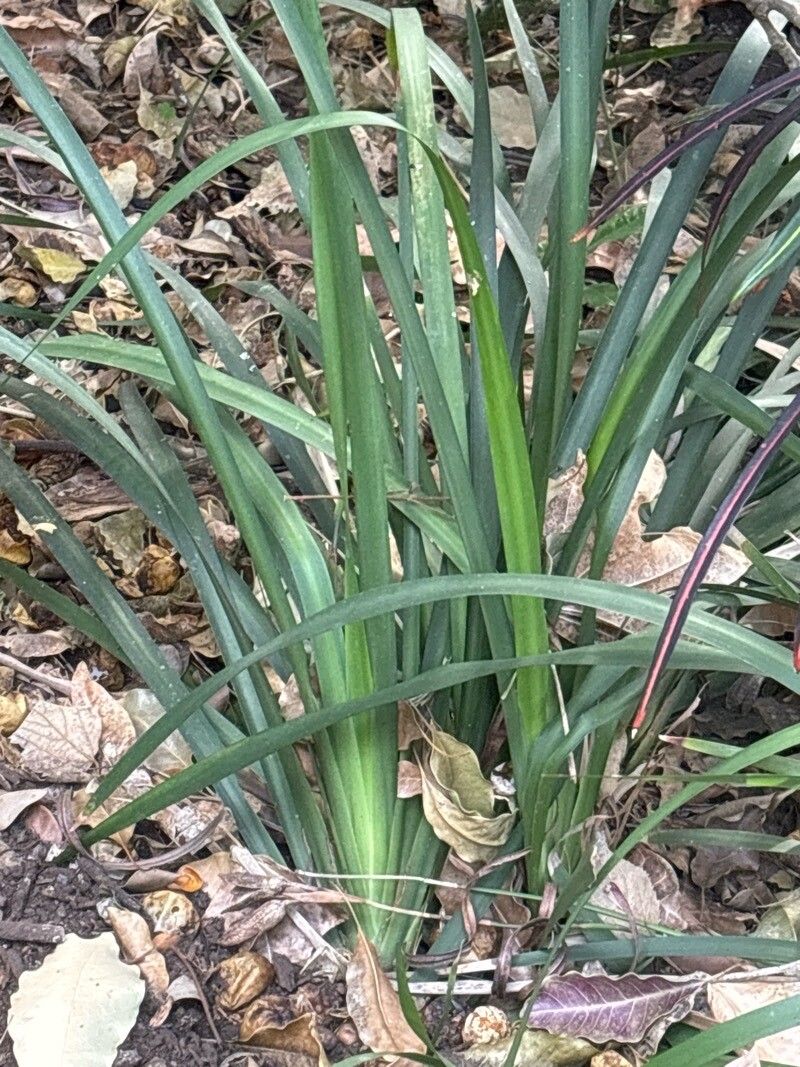
Oh, hello there! Grab your favorite mug, let’s chat about one of my absolute garden joys: Moraea fugax. If you’ve ever seen these delicate, fleeting beauties gracing a garden with their intricate blooms, I’m sure you know what I mean. They whisper sunshine and breeze, and honestly, getting more of them is pure garden magic. For me, propagating them is a wonderfully rewarding way to fill those sunny spots with even more of their charm. Now, if you’re just starting out, don’t shy away from this. While they can be a bit particular, with a little care, you’ll find it’s quite achievable, even for beginners.
The Best Time to Start
For Moraea fugax, the sweet spot for propagation is really after flowering and when the foliage begins to naturally yellow and die back. Think late spring or early summer, depending on your climate. This is when the plant is storing energy and is ready to put it into making new life. Trying to divide or take cuttings when they’re actively growing and blooming can stress them out, and we just don’t want that, do we? Patience here is key.
Supplies You’ll Need
Here’s what you’ll want in your propagation toolkit:
- Sharp, clean pruning shears or a good knife: For making clean cuts.
- A well-draining potting mix: I like a blend of equal parts peat moss, perlite, and sand. You can also find specialized cactus/succulent mixes that work beautifully.
- Small pots or trays: With good drainage holes, of course!
- Rooting hormone (optional but helpful): Especially for cuttings.
- Watering can with a fine rose or a spray bottle: For gentle watering.
- Labels: So you remember what you planted where!
Propagation Methods
Moraea fugax is happily propagated primarily through division, and sometimes a bit of luck with offsets. Cuttings aren’t their favorite method, honestly.
Division (The Most Reliable Way)
This is your go-to for Moraea fugax.
- Gently unearth the parent plant. After the foliage has died back, carefully dig around the plant with a trowel or garden fork, lifting it out of the soil. Try not to be too rough; we want to disturb the roots as little as possible.
- Inspect the root ball. You’ll likely see clumps or rhizomes densely packed together.
- Carefully separate the divisions. You can often tease them apart with your hands. If they’re really stuck, use your clean pruning shears or knife to cut through any tough roots. Make sure each division has a good amount of roots attached and at least one healthy shoot or bud.
- Pot them up. Fill your small pots with your well-draining mix. Make a small hole in the center and place your division, covering the roots gently. Plant them at roughly the same depth they were before.
- Water lightly. Give them a gentle watering to settle the soil.
- Place them in a bright, but not scorching hot, spot. Keep the soil slightly moist but not soggy.
Offsets
Sometimes, you’ll notice little baby plants (offsets) forming around the base of the main plant.
- Wait until they are a decent size. Ideally, once they have a few leaves of their own.
- Gently tease them away from the parent plant. You might need to use a small knife to cut cleanly from the main root system.
- Pot them up individually. Treat them just like you would a division, planting them in their own small pot with well-draining soil.
- Water and place in a bright spot.
The “Secret Sauce” (Pro Tips)
Here are a couple of things I’ve learned over the years that really make a difference:
- Don’t overwater the divisions initially. This is probably the biggest pitfall. While they need moisture to establish, Moraea fugax absolutely hates sitting in wet soil. Think of it as giving them a refreshing sip, not a swimming pool. Let the surface dry out a bit between waterings.
- Give them a little warmth from below. If you can, placing your potted divisions on a warm propagator mat can really encourage root development. It mimics the gentle warmth of spring and gives them that extra nudge they sometimes need.
Aftercare & Troubleshooting
Once those divisions and offsets are happily potted, treat them with kindness! Keep them in a bright location, but shield them from intense midday sun for the first few weeks. Continue to water sparingly, allowing the soil to dry out slightly between each watering.
The most common sign of trouble is rot. If you see a stem turning mushy, black, or smelling funky, it’s likely rot. This usually means too much moisture. Try to remove the affected part immediately and let the remaining healthy portion dry out in a cooler, brighter spot. If the whole plant goes, don’t despair! It happens to the best of us. Just try again next season. Healthy roots will feel firm and look white or tan.
A Encouraging Closing
Watching a new little Moraea fugax send up its first leaves is incredibly satisfying. Remember, gardening is a journey, and every plant is a little lesson. Be patient with your new propagations, give them good light and just the right amount of water, and enjoy the process. Soon, you’ll have a whole tapestry of these captivating blooms to admire. Happy gardening!
Resource:
https://identify.plantnet.org/k-world-flora/species/Moraea%20fugax%20(D.Delaroche)%20Jacq./data