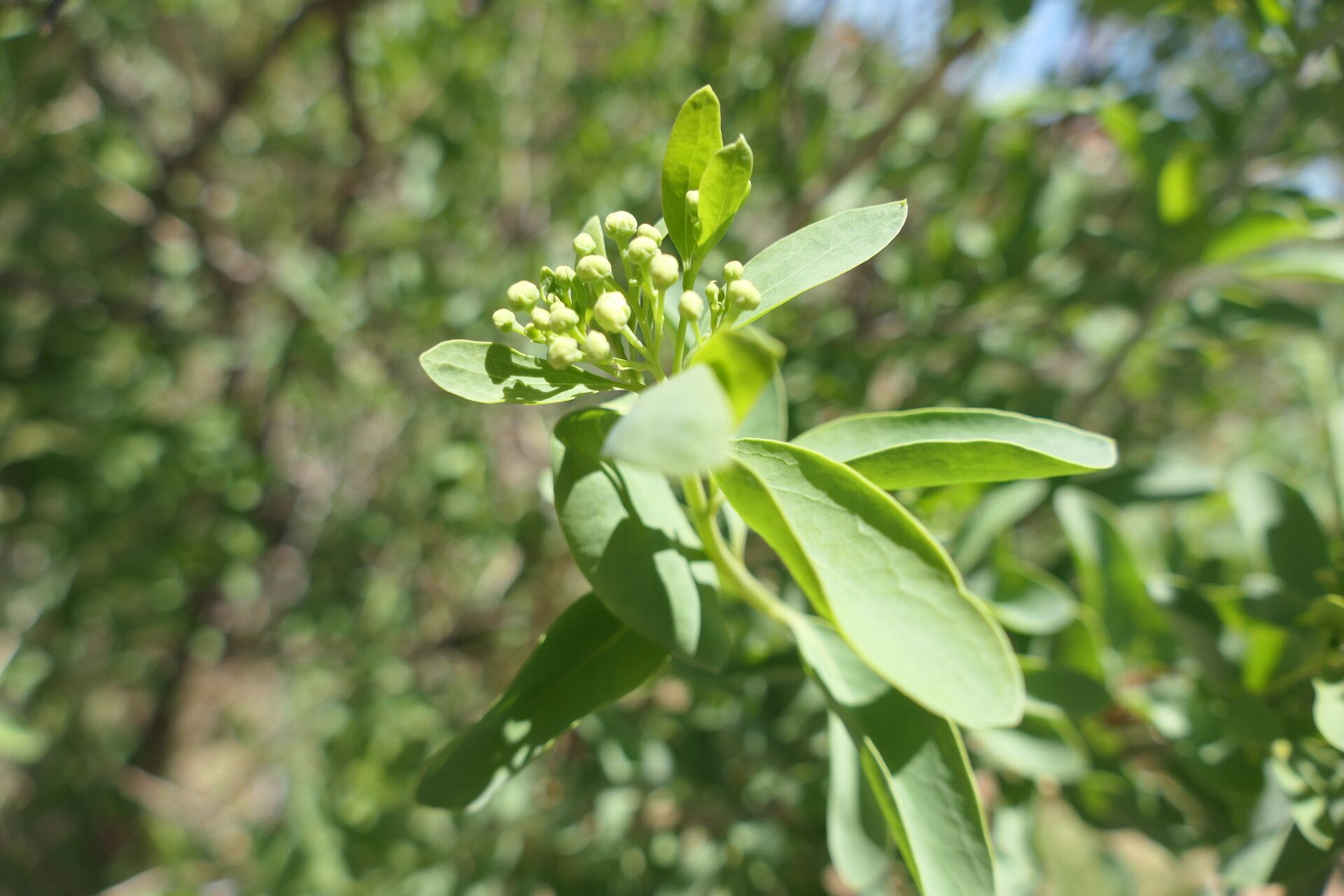
Oh, hello there! Pull up a chair, won’t you? Let’s chat about a truly delightful plant: Montinia caryophyllacea. You know, the one with those charming, almost spicy-scented leaves. It’s a real gem, isn’t it? And the best part? You can easily fill your garden, or even your sunny windowsill, with more of these beauties without spending a fortune. Propagating them is just so satisfying, watching a tiny cutting transform into a thriving plant. Now, some folks might find propagation a bit daunting, but with Montinia, I think you’ll be pleasantly surprised. It’s quite forgiving, even for those just dipping their toes into the world of plant babies.
The Best Time to Start
For the highest success rate with Montinia caryophyllacea, I find late spring to early summer is your golden window. This is when the plant is actively growing and has plenty of energy to put into developing new roots. Look for stems that are neither brand new and flimsy nor old and woody. You’re aiming for something in between, still flexible but with a bit of substance – what we often call “semi-hardwood.”
Supplies You’ll Need
Gathering your tools beforehand makes the whole process much smoother. Here’s what I usually have on hand:
- Sharp pruning shears or a clean, sharp knife: For making clean cuts.
- Rooting hormone powder or gel: This really gives your cuttings a boost, though Montinia can often root without it.
- Small pots or trays: Clean ones are a must!
- Well-draining potting mix: A blend of equal parts peat moss or coco coir, perlite, and a touch of coarse sand works wonders. Avoid heavy garden soil.
- Watering can with a fine rose or a spray bottle: For gentle watering.
- Plastic bags or a clear plastic dome: To create a mini-greenhouse effect.
- Labels: So you don’t forget what you planted where!
Propagation Methods
Let’s get our hands dirty! Here are my go-to methods for Montinia caryophyllacea:
Stem Cuttings: This is my absolute favorite for this plant.
- Take Your Cuttings: In late spring or early summer, use your clean shears to take cuttings about 4-6 inches long. Make a cut just below a leaf node (where a leaf attaches to the stem).
- Prepare the Cuttings: Gently remove the lower leaves, leaving just a few at the top. This prevents them from rotting in the soil. If your cutting is particularly long, you can even cut it in half horizontally, just above a leaf node, to maximize your chances.
- Apply Rooting Hormone: Dip the cut end of each stem into rooting hormone. Tap off any excess.
- Plant Them Up: Fill your small pots with your well-draining potting mix. Make a small hole with your finger or a pencil and insert the cutting, ensuring the leaf nodes are below the soil surface. Gently firm the soil around the stem.
- Water Gently: Water thoroughly but gently. You want the soil to be moist but not soggy.
- Create a Humid Environment: Cover the pot with a clear plastic bag or a clear dome, or place it in a propagator. This keeps humidity high while the cutting roots. Make sure the leaves don’t touch the plastic. You can prop up the bag with a few skewers if needed.
Water Propagation (with a caveat): While Montinia can root in water, I find it’s often a bit more prone to rot this way. If you do try it:
- Take your cuttings as described above.
- Remove all lower leaves.
- Place the cuttings in a clean jar or glass of fresh water, ensuring no leaves are submerged.
- Change the water every few days.
- Once you see a decent root forming (about an inch long), pot it up immediately into your well-draining soil mix. Don’t leave them in water too long!
The “Secret Sauce” (Pro Tips)
Here are a few tricks I’ve learned over the years that can really make a difference:
- Bottom Heat is Your Friend: If you have a seedling heat mat, placing your pots on it can significantly speed up root formation. It mimics the warmth of the soil in nature. Just ensure the mat isn’t too hot – warm to the touch is perfect.
- Don’t Be Afraid to Experiment with Different Stem Types: While semi-hardwood is ideal, I’ve had success with slightly softer tips too, especially if the weather is consistently warm. Just be extra vigilant about rot with softer cuttings.
- The “Heel” Trick: Sometimes, when you pull a side shoot off a parent plant, a tiny sliver of the older stem (the “heel”) comes with it. If you have one of these, it might have a slightly higher chance of rooting, as it’s partially established.
Aftercare & Troubleshooting
Once roots have formed – and you’ll know this when you see new leaf growth or gently tug the cutting and feel resistance – it’s time for a little adjustment.
- Acclimatize Slowly: If your cuttings are under plastic, gradually remove the cover over a week or so. Start by taking it off for a few hours each day, then increase the time until they are no longer covered. This prevents shock.
- Continue Gentle Watering: Keep the soil consistently moist but never waterlogged. Overwatering is the quickest way to invite trouble.
- Sunshine, But Not Scorching: Place your new plants in a bright spot, but out of direct, harsh sunlight, especially during the hottest part of the day.
- Signs of Trouble: The most common issue is rot. If you see stems turning black and mushy at the soil line, or leaves wilting dramatically despite moist soil, it’s likely rot. Unfortunately, this is hard to recover from. Ensure your potting mix is airy and you’re not overwatering. Fungal issues can also appear as grey mold. Good air circulation is key.
Happy Propagating, My Friends!
See? Not so intimidating, is it? Propagation is a journey, and there will be times when some cuttings don’t make it. That’s just part of the gardening dance. Don’t get discouraged! The joy is in the process, the learning, and the eventual reward of seeing your own little Montinia family grow. Be patient, be observant, and most importantly, enjoy the magic of bringing new life into the world. Happy gardening!
Resource:
https://identify.plantnet.org/k-world-flora/species/Montinia%20caryophyllacea%20Thunb./data