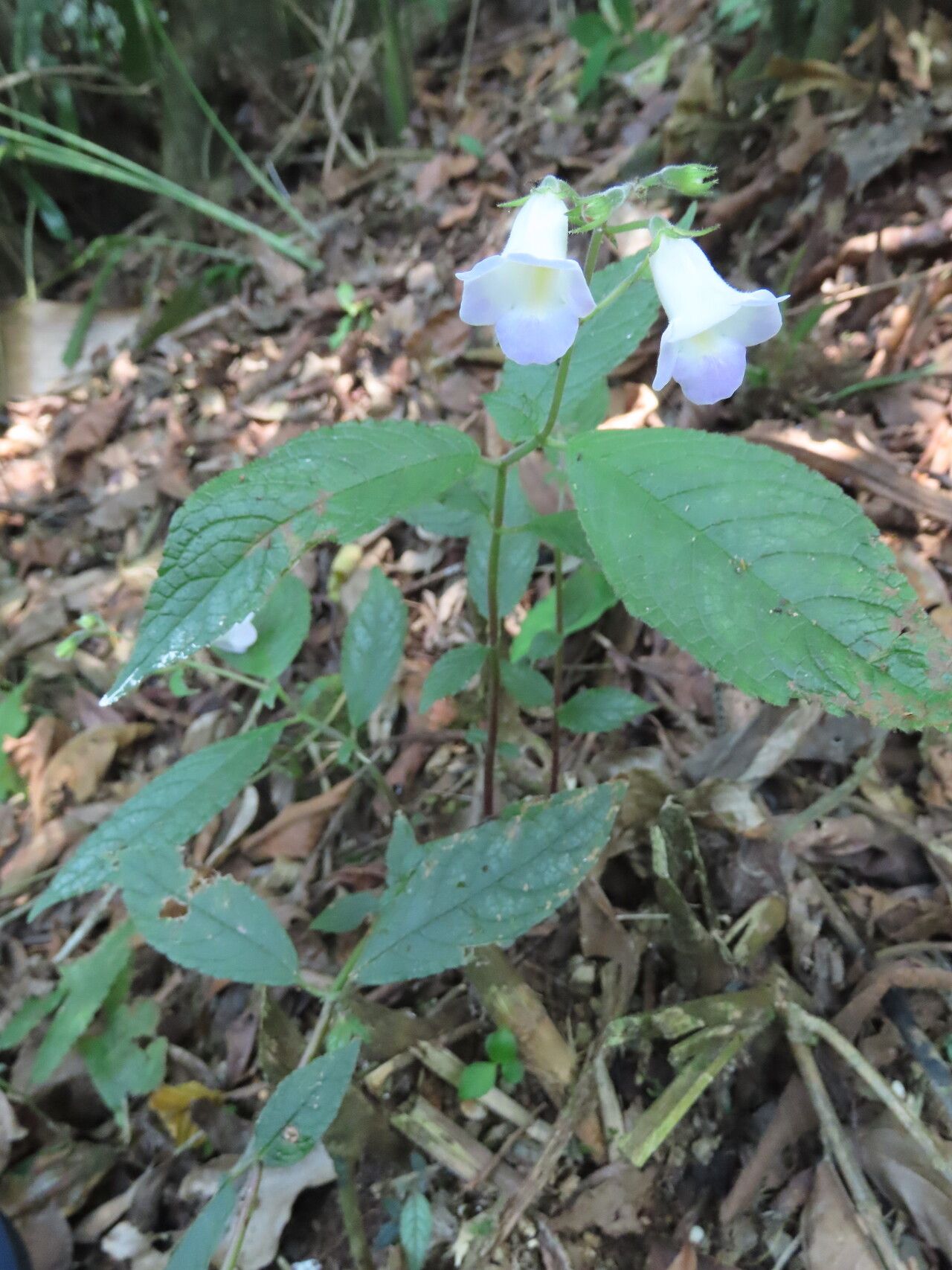
Hey there, fellow plant lovers! Today, we’re diving into something really special – multiplying your gorgeous Monopyle puberula. If you’re smitten with those silvery, velvety leaves and the delicate charm of this Gesneriad, you’re in for a treat. Propagating your own is incredibly satisfying, like unlocking a little horticultural magic. Now, to be honest, Monopyle can be a tad more particular than, say, a pothos. It’s not a plant that throws cuttings around like confetti, but with a little attention and care, it’s absolutely doable, and I truly believe any determined gardener can master it.
The Best Time to Start
My golden rule for most propagation is to strike when the energy is high. For Monopyle puberula, late spring through summer is generally your sweet spot. The plant is actively growing, and those stems are full of life, making them prime candidates for rooting. Waiting until after the main flush of spring growth is usually safest.
Supplies You’ll Need
Here’s what I always have on hand:
- Sharp, clean pruning shears or a razor blade: Cleanliness is crucial to prevent disease.
- A good quality potting mix or propagation medium: I like a mix that’s airy and drains well. A blend of peat moss or coco coir, perlite, and a bit of fine bark works wonders. For Monopyle, I often lean towards a well-draining African Violet or Gesneriad mix, sometimes adding extra perlite.
- Small pots or seed starting trays: Cleanliness is key here too!
- Rooting hormone (optional but recommended): A powder or gel can give your cuttings a helpful boost.
- Clear plastic bags or a propagator: To create that humid environment cuttings crave.
- A spray bottle: For gentle misting.
- Labels: Don’t underestimate your memory!
Propagation Methods
Monopyle puberula happily propagates via stem cuttings. It’s the most reliable and straightforward method for this lovely plant.
Stem Cuttings
- Select a healthy parent plant. Look for a mature plant that’s actively growing.
- Take cuttings. Using your sharp shears or razor blade, carefully snip off a piece of stem that is approximately 3-4 inches long. Ideally, choose a stem that has at least two nodes (those little bumps where leaves grow from). Make your cut just below a node.
- Prepare the cutting. Gently remove the lower leaves from the cutting, leaving just one or two sets of leaves at the very top. If your top leaves are very large, you can even cut them in half to reduce water loss.
- Apply rooting hormone (optional). Dip the cut end of the stem into your rooting hormone, tapping off any excess.
- Plant the cutting. Moisten your propagation mix. Make a small hole in the mix with a pencil or your finger, and insert the cut end of the stem. Gently firm the mix around the stem to ensure good contact. Make sure the lower nodes are buried beneath the surface as this is where roots will emerge.
- Create a humid environment. Place the pot into a clear plastic bag, sealing it loosely with a twist tie or rubber band, or pop it into a propagator. This traps moisture and creates the humid microclimate cuttings need. You can also mist the inside of the bag and the cutting lightly after planting.
- Provide light and warmth. Place the pot in a bright spot, but out of direct sunlight. A south- or west-facing window that gets bright, indirect light is perfect. You might consider placing it on a heat mat set to a low temperature (around 70-75°F or 21-24°C) – this really speeds things up.
The “Secret Sauce” (Pro Tips)
- Don’t drown your stems in water: While some plants root easily in water, Monopyle tends to be more susceptible to rot when just sitting in plain water. Sticking to a well-draining soil mix is usually safer for happier roots. If you do want to try water, make sure only the nodes are submerged, and change the water frequently.
- A gentle breeze is your friend, sometimes: While high humidity is good, stagnant air can encourage fungal issues. Once you see signs of rooting (new growth or resistance when gently tugged), gradually introduce more air circulation by opening the bag or propagator for a little longer each day.
- Bottom heat is a game-changer: I cannot stress this enough! For Monopyle, a gentle bottom heat from a seedling heat mat makes a noticeable difference in rooting speed and success rates. It mimics the warmth of spring soil and encourages those roots to get going.
Aftercare & Troubleshooting
Once you see new growth emerging from the top of the cutting, or if you gently tug on the stem and feel slight resistance (a sign of root development), your cutting is likely rooted!
- Acclimatize slowly: Gradually remove the plastic bag or open the propagator. Do this over several days to help the new plant adjust to less humid conditions.
- Regular watering: Water when the top inch of the soil feels dry. Avoid letting it sit in soggy conditions.
- Light: Continue to provide bright, indirect light.
What to watch out for:
The most common culprit for failure with Monopyle cuttings is rot. If your cutting turns mushy, black, or smelly, it’s usually a sign of too much moisture and not enough air circulation, or it’s gone bad from the start. If you see signs of rot, sometimes you can salvage healthy, green parts higher up the stem and try again with a fresh start. Overwatering is the primary cause, so always err on the side of slightly too dry rather than too wet when you’re propagating.
A Little Patience, A Lot of Reward
Propagating plants is a journey of observation and patience. Don’t get discouraged if your first attempt isn’t a runaway success. Learn from it, and try again. Each new plant you successfully nurture from a tiny cutting is a testament to your growing skill and a beautiful reminder of nature’s resilience. Happy propagating!
Resource:
https://identify.plantnet.org/k-world-flora/species/Monopyle%20puberula%20C.V.Morton/data