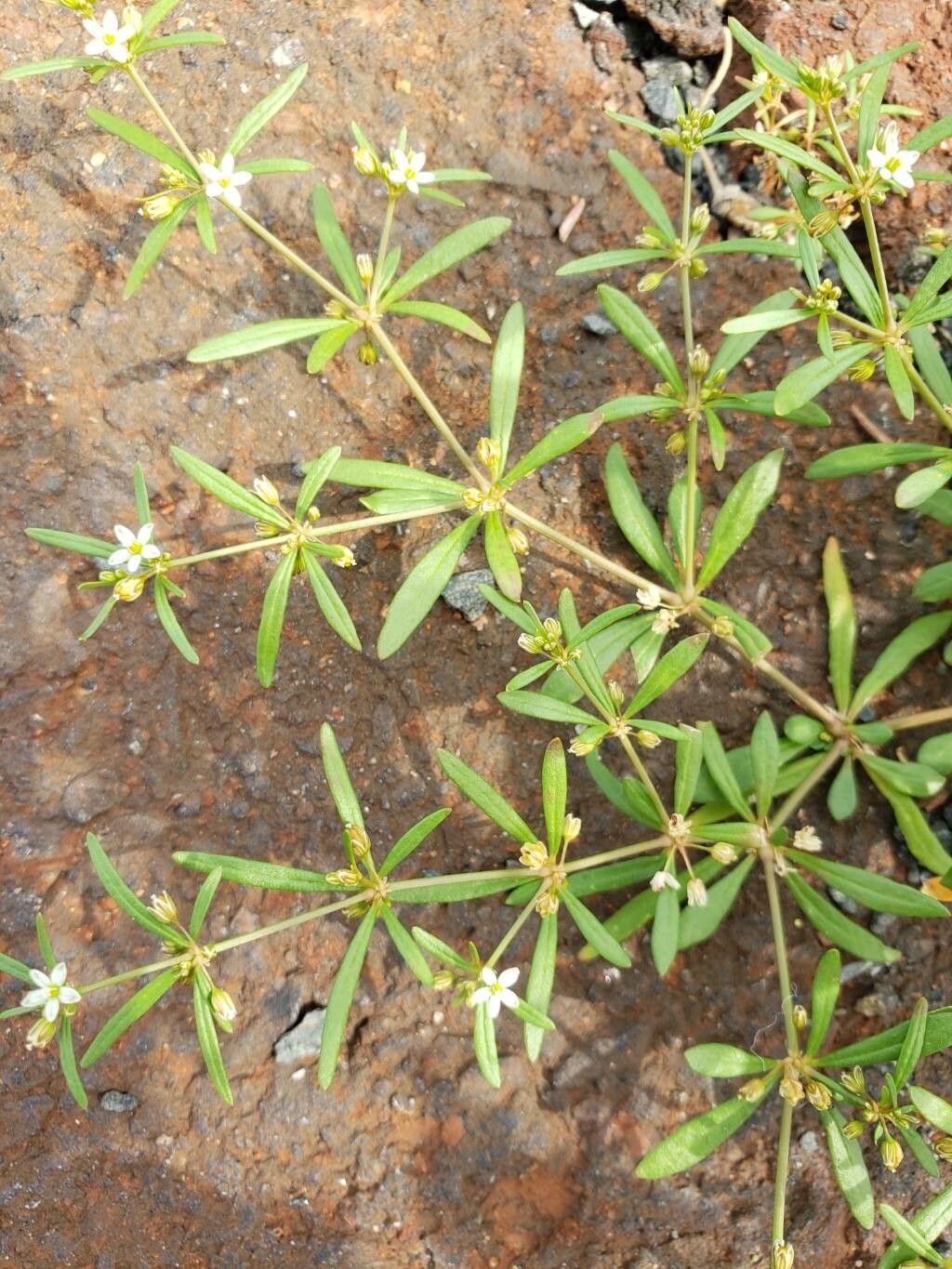
Alright, plant pals! Let’s chat about a little green gem that I absolutely adore: Mollugo verticillata, or as many of us affectionately call it, Indian Chickweed. This sprawling, low-growing beauty with its delicate whorls of leaves is just wonderful for filling in gaps in borders, tumbling over the edges of pots, or even as a living mulch. It brings this lovely, soft texture to the garden, and honestly, it’s so forgiving. If you’re looking to expand your collection of this plant, or just want to share the love with a friend, propagating it is surprisingly straightforward. I’d say it’s a fantastic plant for beginners to get their hands into.
The Best Time to Start
For the happiest cuttings and the highest success rate, I find the late spring to early summer is your golden window. This is when the plant is actively growing and brimming with energy. You’ll want to take cuttings from healthy, non-flowering stems. Think of it as snagging a piece of the plant when it’s feeling its most robust!
Supplies You’ll Need
Here’s a little list to get you prepped. Don’t worry, it’s not too much:
- Sharp pruning shears or a clean knife: For taking precise cuts.
- Small pots or seed trays: With drainage holes, of course!
- Well-draining potting mix: I usually go for a mix of peat, perlite, and a bit of compost. Or, a good quality succulent/cacti mix often works wonders here.
- Rooting hormone (optional, but helpful): A little powder can encourage faster root development.
- A spray bottle: For misting.
- A plastic bag or propagation dome: To create a humid environment.
Propagation Methods
Mollugo verticillata is wonderfully flexible, and you have a couple of easy-peasy methods at your disposal.
Stem Cuttings: My Go-To Method
This is the quickest and most reliable way to get new plants.
- Select your stem: Find a healthy, vigorous stem on your established plant. Look for one that’s about 4-6 inches long and not flowering.
- Make the cut: Using your sharp shears or knife, make a clean cut just below a leaf node (where the leaves attach to the stem).
- Prepare the cutting: Gently remove the lower leaves from the cutting, leaving just a few at the top. This prevents them from rotting in the soil.
- Dip in hormone (optional): If you’re using rooting hormone, give the cut end a quick dip. Just enough to coat it.
- Plant your cutting: Fill your small pots with your well-draining mix. Make a small hole with your finger or a pencil and gently insert the cut end of the stem. Firm the soil gently around it.
- Water gently: Give them a light watering. You want the soil to be moist but not waterlogged.
- Create humidity: Place a plastic bag loosely over the pot or cover your tray with a propagation dome. This is crucial for keeping the humidity high, which helps prevent the cutting from drying out before it can root. You can pop a few skewers into the pot to help support the bag so it doesn’t flatten against the leaves.
- Provide light and warmth: Place your pots in a bright spot with indirect sunlight. Some gentle warmth from a sunny windowsill is perfect.
Water Propagation: The See-It-Grow Method
If you like to watch the magic happen, try this!
- Take your cutting: Same as step 1 and 2 above.
- Remove lower leaves: Just like with soil propagation, strip off the bottom leaves.
- Place in water: Fill a small jar or glass with fresh water and place your cutting in it. Make sure none of the leaves are submerged. Only the cut stem should be in the water.
- Find a good spot: Place the jar in a bright location, out of direct sun.
- Change the water: Refresh the water every few days to keep it clean and prevent bacterial growth.
- Watch for roots: You should start to see little white roots appearing from the cut end within a couple of weeks.
The “Secret Sauce” (Pro Tips)
Here are a couple of little tricks I’ve learned over the years that really make a difference:
- Don’t let the leaves touch the water: This is a biggie, especially in water propagation. Any leaves sitting in the water will start to rot, which can spread down to the stem and kill your cutting before it even has a chance to root.
- Bottom heat is your friend: If you have a germination mat or can place your pots on top of a warm appliance (like a gentle refrigerator motor), this can significantly speed up root formation. It mimics the warmth of spring soil.
Aftercare & Troubleshooting
Once you start to see signs of new growth or a good network of roots in the water, it’s time for the next step.
- For potted cuttings: Gently tug on the cutting. If you feel resistance, that means roots have formed! You can now remove the plastic bag or dome and continue to water as needed. Treat it like a mini version of your mature plant – keep the soil consistently moist but not soggy.
- For water-propagated cuttings: Once the roots are about an inch long, it’s time to plant them in soil. Follow the steps for planting your initial cuttings, but be extra gentle with those brand-new roots.
Now, what if things don’t go according to plan? It happens! The most common issue you’ll see is rot. This is usually a sign of too much moisture and not enough airflow. If a cutting turns mushy and brown, it’s probably best to discard it and try again, ensuring better drainage and more air circulation next time. Sometimes, cuttings just don’t take, and that’s okay too. Gardening is all about learning and trying again!
A Little Encouragement
Propagating plants is such a rewarding journey. It teaches you patience and observation. Don’t be discouraged if your first few attempts aren’t perfect. Every time you try, you learn something new. Just enjoy the process of nurturing these tiny bits of green into beautiful new plants. Happy gardening!
Resource:
https://identify.plantnet.org/k-world-flora/species/Mollugo%20verticillata%20L./data