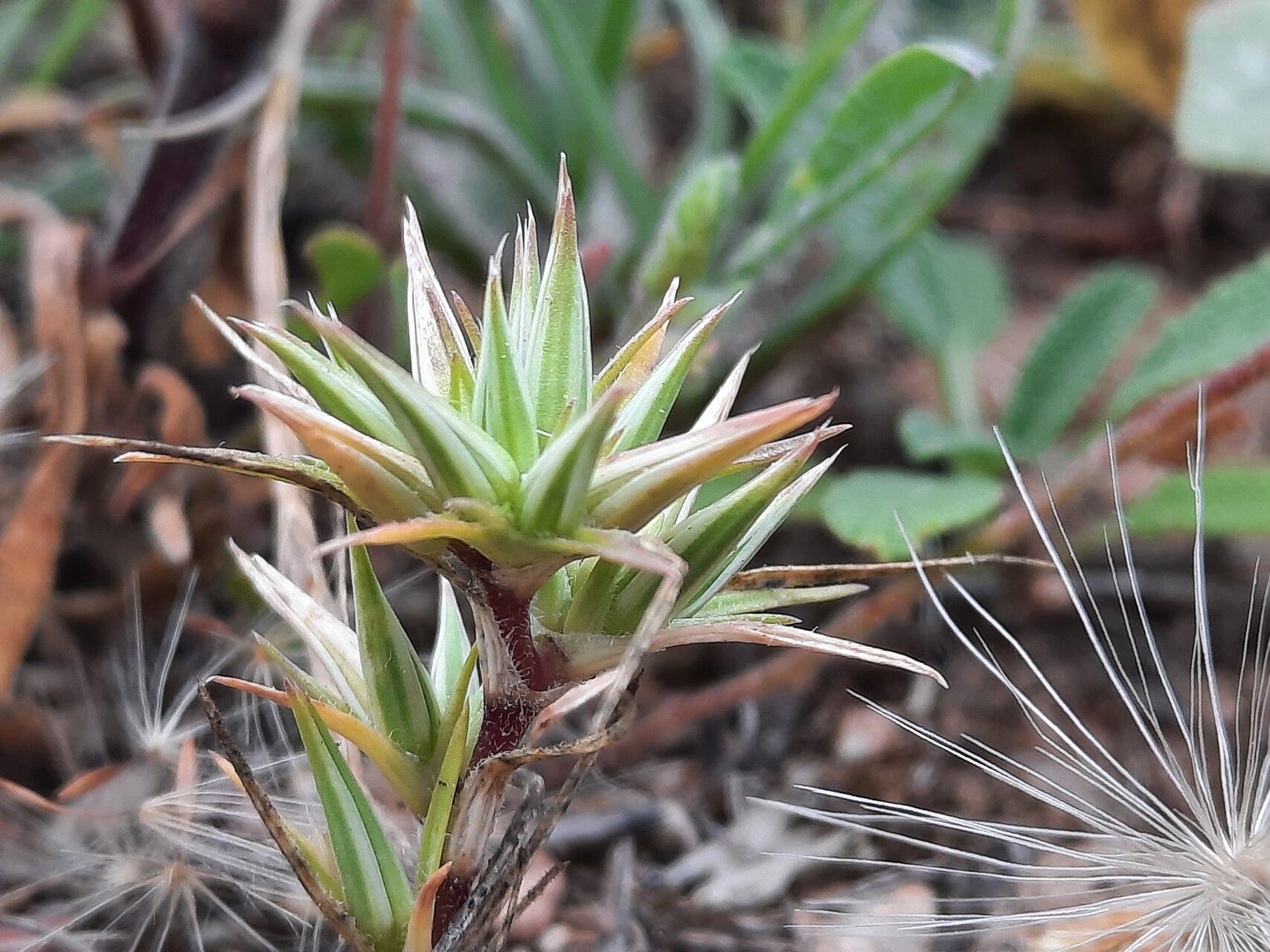
Hey there, fellow garden enthusiasts! Today, we’re diving into the enchanting world of Minuartia montana. If you’ve ever seen this little gem carpeting the ground with its delicate white flowers, you know why it’s so special. It’s like a whisper of spring, a carpet of tiny stars that simply makes your heart sing.
Propagating Minuartia montana is a truly rewarding experience. It’s a fantastic way to expand your garden’s beauty for free! For beginners, I’d say it’s moderately easy. With a few key steps, you’ll be well on your way to success.
The Best Time to Start
The absolute sweet spot for propagating Minuartia montana is in late spring or early summer. This is when the plant is actively growing and has plenty of energy to put into developing new roots. Aim for when the plant has finished its main flowering flush, as this ensures you’re taking cuttings from healthy, vigorous stems.
Supplies You’ll Need
- Sharp, clean pruning shears or scissors: Essential for making clean cuts.
- Rooting hormone (optional but recommended): Helps give cuttings a boost. Look for a powder or gel specifically for stem cuttings.
- Well-draining seed starting mix or a blend of perlite and peat moss: Minuartia hates wet feet!
- Small pots or trays: Anything that can hold the soil mix and accommodate a few cuttings. Make sure they have drainage holes.
- A spray bottle: For misting.
- A clear plastic bag or propagator lid: To create a humid environment for your cuttings.
- Labels and a permanent marker: So you don’t forget what you planted!
Propagation Methods
The most successful method for Minuartia montana is through stem cuttings. It’s straightforward and gives you a great success rate.
Step 1: Take Your Cuttings
Gently select healthy, non-flowering stems from your established plant. Using your clean shears, snip off sections about 3-4 inches long. Make the cut just below a leaf node (where a leaf joins the stem). This is where roots are most likely to form. Remove the lower leaves, leaving just a few at the top.
Step 2: Prepare the Cuttings
If you’re using rooting hormone, dip the cut end of each stem into the powder or gel. Tap off any excess. This step isn’t strictly necessary, but it can significantly speed up root development.
Step 3: Plant Your Cuttings
Fill your pots or trays with your well-draining soil mix. Moisten the soil slightly so it’s damp, not waterlogged. Make small holes in the soil with a pencil or your finger, and carefully insert the prepared cuttings. Gently firm the soil around the base of each cutting.
Step 4: Create a Humid Environment
Water the soil gently one more time. Then, cover the pots with a clear plastic bag, securing it with a rubber band, or place them in a propagator with a lid. This creates a mini-greenhouse, keeping the humidity high and preventing the cuttings from drying out while they try to root.
The “Secret Sauce” (Pro Tips)
Here are a couple of things I’ve learned over the years that really make a difference:
- Don’t let the leaves touch the water! If you are doing water propagation (though I find cuttings in soil much more reliable for Minuartia), make sure the leaves are well above the waterline. Any submerged foliage will quickly rot and potentially kill your cutting.
- Bottom heat is your friend. If you have a heated propagator or can place your pots on a warm windowsill (but not in direct, scorching sun), this gentle warmth can really encourage root formation. Think of it as a cozy blanket for your cuttings as they get started.
Aftercare & Troubleshooting
Once your cuttings are planted, place them in a bright spot out of direct sunlight. Keep the humidity high by misting them with your spray bottle every few days, or check the condensation on your plastic cover. The soil should remain consistently moist but never soggy.
You’ll know your cuttings have rooted when you see new leaf growth and they resist gently tugging. This can take anywhere from 3 weeks to 2 months, so patience is key! Once they have a good root system, you can gradually introduce them to less humid conditions by opening the bag a little each day before removing it entirely. You can then transplant them into their own small pots.
If you notice your cuttings turning yellow and mushy, it’s likely rot. This is usually a sign of too much moisture and not enough drainage. Make sure your soil mix is very airy and your pots have good drainage. If you see signs of rot, you may need to discard the affected cuttings and try again, focusing on a drier soil mix.
A Encouraging Closing
Watching those tiny roots emerge and develop into new plants is one of the most satisfying aspects of gardening. Don’t be discouraged if not every cutting takes – it’s a learning process. Just keep experimenting, enjoy the journey, and soon you’ll have a delightful carpet of Minuartia montana to share and admire! Happy propagating!
Resource:
https://identify.plantnet.org/k-world-flora/species/Minuartia%20montana%20L./data