Hello fellow garden enthusiasts!
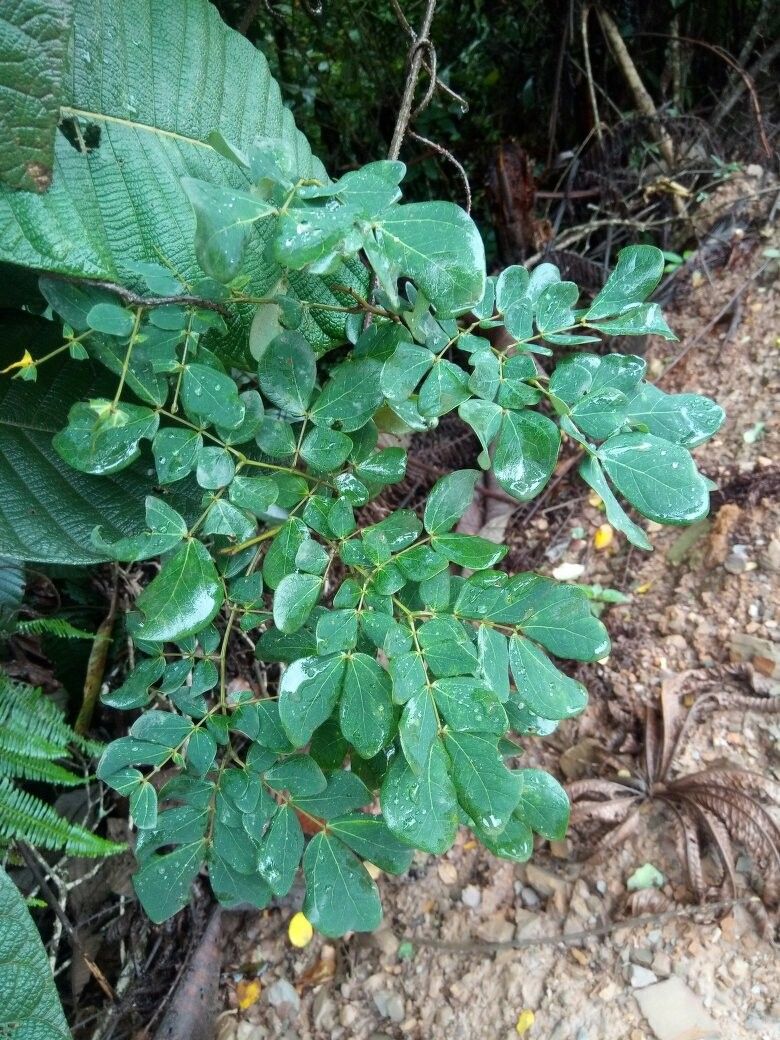
Today, I want to talk about a plant that I’ve grown quite fond of over the years: Mimosa rufescens. You know, the one with those delicate, feathery leaves and the charming, almost ethereal appearance? It truly brings a touch of gentle beauty to any space, and the satisfaction of nurturing a new plant from just a tiny piece of the parent is, well, it’s simply magical. Now, if you’re wondering if Mimosa rufescens is a tough one to get started, I’d say it’s moderately easy. It requires a bit of attention, but nothing that will have you pulling your hair out. It’s a lovely project for those of you looking to expand your greenery collection.
The Best Time to Start
My favorite time to get my hands dirty with Mimosa rufescens propagation is late spring to early summer. This is when the plant is in its most vigorous growth phase. The days are getting longer and warmer, and everything just feels ready to explode with new life. Starting then gives your cuttings plenty of time to establish themselves before the cooler weather creeps in.
Supplies You’ll Need
Before we dive in, let’s gather our tools. Having everything ready makes the process so much smoother!
- Sharp pruning shears or a clean, sharp knife: You want to make nice, clean cuts to avoid damaging the stem.
- Rooting hormone (optional but recommended): This little helper can significantly boost your success rate.
- Well-draining potting mix: I like a blend of equal parts peat moss, perlite, and a bit of compost. It’s light and airy.
- Small pots or propagation trays: These need drainage holes!
- Clear plastic bags or a propagation dome: To create a humid environment.
- Watering can with a fine rose or spray bottle: For gentle watering.
- A heat mat (optional but very beneficial): Provides warmth from below, which encourages rooting.
Propagation Methods
Now, let’s get down to the good stuff! I find that stem cuttings are the most reliable way to propagate Mimosa rufescens.
Stem Cuttings: Taking and Planting
- Select your stem: Look for a healthy, non-flowering stem that’s about 4-6 inches long. It should be semi-hardwood – not too leggy and new, but not tough and woody either. You can tell it’s right when it has a bit of bend but doesn’t snap cleanly like a fresh green shoot.
- Make the cut: Using your sharp pruning shears, make a clean cut just below a leaf node. A leaf node is where a leaf attaches to the stem – this is where those magic rooting hormones are concentrated.
- Prepare the cutting: Gently remove the lower leaves from the stem, leaving just a couple of sets at the top. This prevents them from rotting in the soil.
- Dip in rooting hormone (optional): If you’re using rooting hormone, dip the cut end of the stem into the powder or gel. Tap off any excess.
- Plant the cutting: Fill your small pots or trays with your well-draining potting mix. Make a small hole in the center of the soil with your finger or a pencil.
- Insert the cutting: Gently place the prepared cutting into the hole, ensuring that the leaf nodes where you removed the leaves are buried in the soil.
- Water gently: Water the soil thoroughly but gently. You don’t want to dislodge your cutting.
Creating a Humid Environment:
Once planted, it’s crucial to create a humid microclimate.
- Cover your pots: Place a clear plastic bag over the pot, or put the pots under a propagation dome. Make sure the plastic doesn’t touch the leaves too much.
- Provide light: Place the pots in a bright spot that receives indirect sunlight. Direct sun will cook your cuttings!
The “Secret Sauce” (Pro Tips)
Here are a few things I’ve learned that make a real difference:
- Bottom Heat is Your Best Friend: Mimosa rufescens absolutely loves warmth from below, especially when trying to root. Pop your pots on a heat mat set to a cozy 70-75°F (21-24°C). You’ll see much faster and more reliable root development.
- Don’t Over-Water! This is a big one. Soggy soil is the fastest way to rot your cuttings. Let the top inch of soil dry out slightly between waterings. It’s better to err on the side of slightly dry than constantly wet.
- Patience, My Friend, Patience: Mimosa rufescens can be a bit slow to root, especially without bottom heat. I often wait 3-4 weeks before I start gently tugging on a cutting to check for resistance. Don’t give up too soon!
Aftercare & Troubleshooting
Once you see new growth appearing, that’s a good sign roots are forming!
- Gradual Acclimation: Once roots are established and you see signs of robust new growth, gradually remove the plastic cover over a few days. This helps your new plant get used to normal humidity.
- Potting Up: When your new plants have a decent root system (you might see roots peeking out of the drainage holes), they’re ready to be moved into slightly larger pots with fresh potting mix.
- Watch for Rot: The most common sign of failure is mushy, black stems or leaves. This is almost always due to overwatering and poor drainage. If you see this, sadly, that cutting is likely lost. Prevention is key here!
A Encouraging Closing
So there you have it! Propagating Mimosa rufescens is a rewarding journey, and with a little care and these tips, I’m confident you’ll have plenty of these charming plants to share or enjoy. Be patient, trust your instincts, and most importantly, enjoy the process. Happy gardening!
Resource:
https://identify.plantnet.org/k-world-flora/species/Mimosa%20rufescens%20Benth./data