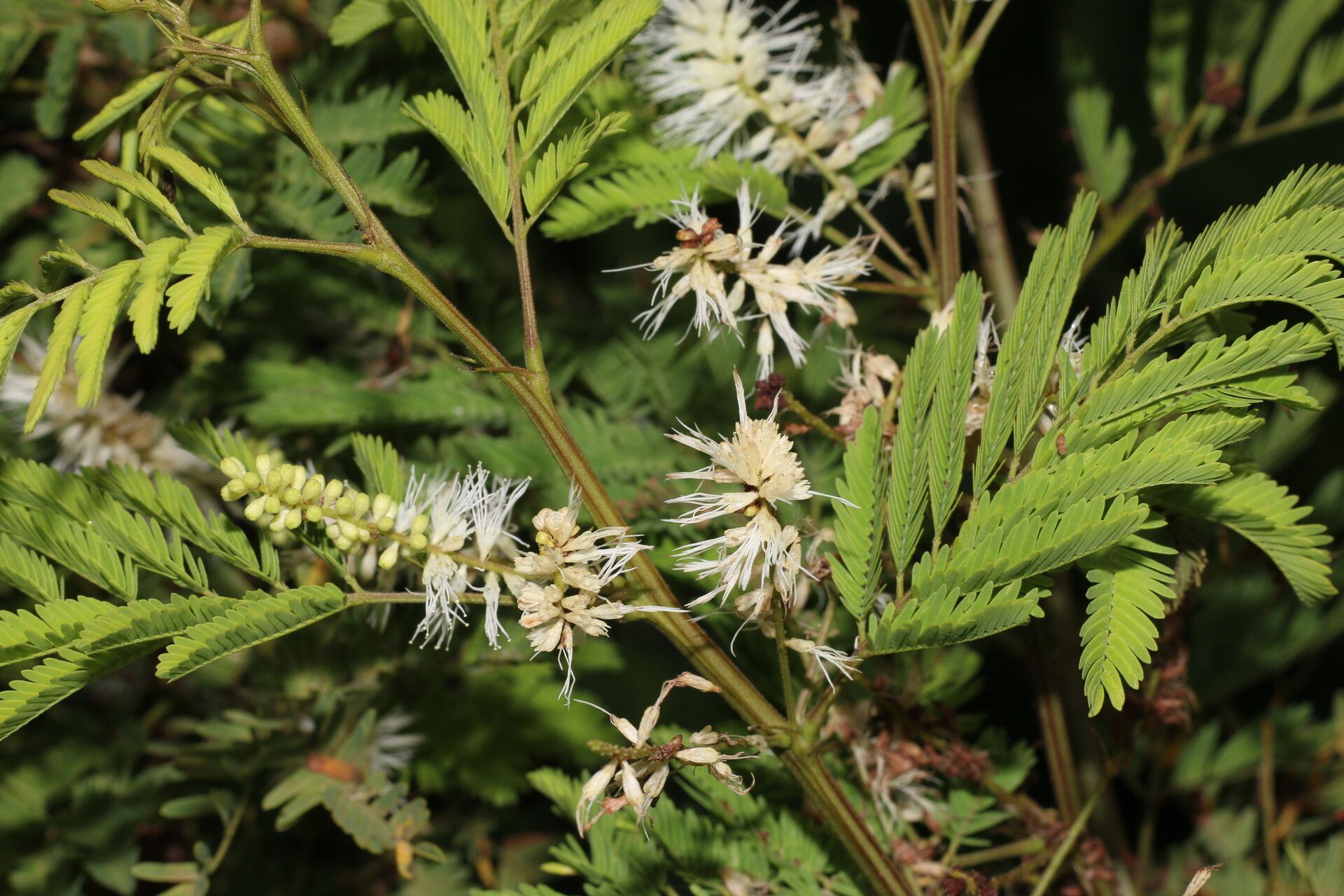
Hello there, fellow plant lovers! Today, we’re diving into the wonderful world of propagating Mimosa platycarpa. Now, if you’re drawn to those delicate, fern-like leaves that dance and fold with the slightest touch, then you’re already captivated by its charm. And let me tell you, growing your own Mimosa platycarpa from cuttings is incredibly rewarding. It’s a bit of a journey, not the absolute easiest plant for a complete beginner to start with, but with a little patience and this guide, you’ll be well on your way.
The Best Time to Start
For me, the sweet spot for propagating Mimosa platycarpa is during its active growing season. That usually means late spring through early summer. The plant is full of energy then, and cuttings taken during this time have the best chance of rooting quickly. You can sometimes get away with it in late summer, but I find the success rate dips a bit as the days shorten and growth slows.
Supplies You’ll Need
Gathering your supplies beforehand makes the whole process smoother. Here’s what I always have on hand:
- Sharp, clean pruning shears or a sharp knife: Essential for clean cuts, which helps prevent disease.
- Rooting hormone (optional, but recommended): A little boost can make a big difference. I like a powder form.
- Well-draining potting mix: A mix of perlite, peat moss, and a bit of potting soil works wonderfully. Or you can buy a good quality seed-starting mix.
- Small pots or propagation trays: Choose something with drainage holes!
- Clear plastic bags or a propagation dome: This creates a humid microclimate, which is crucial.
- A spray bottle: For misting.
- A warm location: Think about a heat mat if your home is on the cooler side.
Propagation Methods
I’ve found success with a couple of methods for Mimosa platycarpa, but stem cuttings are my go-to.
Stem Cuttings
- Select your parent plant: Choose a healthy, vigorous Mimosa platycarpa that’s actively growing.
- Take the cutting: Using your clean pruning shears, snip a stem just below a leaf node. Aim for a cutting that’s about 4-6 inches long. Remove any flowers or developing seed pods.
- Prepare the cutting: Gently remove the lower leaves, leaving just a few at the top. This prevents them from rotting once you put the cutting in the soil.
- Apply rooting hormone: If you’re using it, dip the cut end of the stem into the rooting hormone, tapping off any excess.
- Plant the cutting: Make a small hole in your well-draining potting mix with your finger or a pencil. Insert the cut end of the stem into the hole and gently firm the soil around it.
- Water gently: Use your spray bottle to moisten the soil. You want it damp but not waterlogged.
- Create humidity: Place the pot inside a clear plastic bag, creating a mini-greenhouse effect. Make sure the leaves aren’t touching the sides of the bag, as this can cause rot. Seal the bag loosely or use a propagation dome.
- Provide warmth and light: Place your pot in a bright spot that receives indirect sunlight. If you have a heat mat, place the pot on it.
Water Propagation (with a caveat)
You can try rooting Mimosa platycarpa in water, but I find it’s a trickier path. If you go this route:
- Follow steps 1-3 for stem cuttings.
- Place the cutting in a glass of clean water.
- Crucially, ensure none of the leaves are submerged in the water. This is a quick way to invite rot.
- Keep it in bright, indirect light and change the water every few days.
- Once roots are about an inch long, you’ll need to transition it carefully to soil. This can be a shock to the system, and many cuttings fail at this stage. That’s why I lean towards soil propagation.
The “Secret Sauce”
Here are a few tricks I’ve picked up over the years:
- Wiggle test, not a tug test: When you think your cuttings have rooted, resist the urge to yank them out to check! Instead, give a cutting a very gentle wiggle. If there’s resistance, roots have formed.
- Bottom heat is your friend: Especially if your house is on the cooler side, a heat mat significantly speeds up root development. It mimics the warmth of spring soil after a long winter.
- Don’t overwater the soil: This is probably the most common mistake. The soil should be consistently moist, not soggy. Too much water, especially in the beginning, will lead to rot before roots can even form.
Aftercare & Troubleshooting
Once your cuttings have developed a good root system – you’ll see roots peeking out of the drainage holes or feel that resistance when you gentle wiggle them – it’s time to give them more individual attention.
Care for New Plants:
- Gradually acclimate: If your cutting was in a plastic bag, slowly start opening it up over a few days to let it get used to the ambient humidity.
- Potting up: You can transfer your new plant to its own pot. Use a slightly larger pot filled with the same well-draining mix.
- Watering: Water thoroughly after potting, then allow the top inch of soil to dry out between waterings.
- Light: Continue to provide bright, indirect light.
Troubleshooting:
- Wilting: This is often a sign of underwatering, but it can also happen if the cutting hasn’t rooted yet and the soil is too dry. Check the soil moisture.
- Yellowing leaves on the cutting: This can be a sign of too much water or insufficient light. Make sure your drainage is good and it’s getting enough indirect sun.
- Rotting at the base: This is the most common problem and is almost always due to overwatering or poor drainage. If you see black, mushy stem sections, it’s usually game over for that cutting. Start fresh if you can.
Happy Propagating!
Propagating plants, especially something as unique as Mimosa platycarpa, is a wonderful way to connect with nature and multiply your green treasures. Don’t be discouraged if not every cutting succeeds. Gardening is a journey, and each attempt teaches us something new. So, be patient, observe your cuttings closely, and enjoy the magic of watching new life emerge from a simple stem. Happy propagating!
Resource:
https://identify.plantnet.org/k-world-flora/species/Mimosa%20platycarpa%20Benth./data