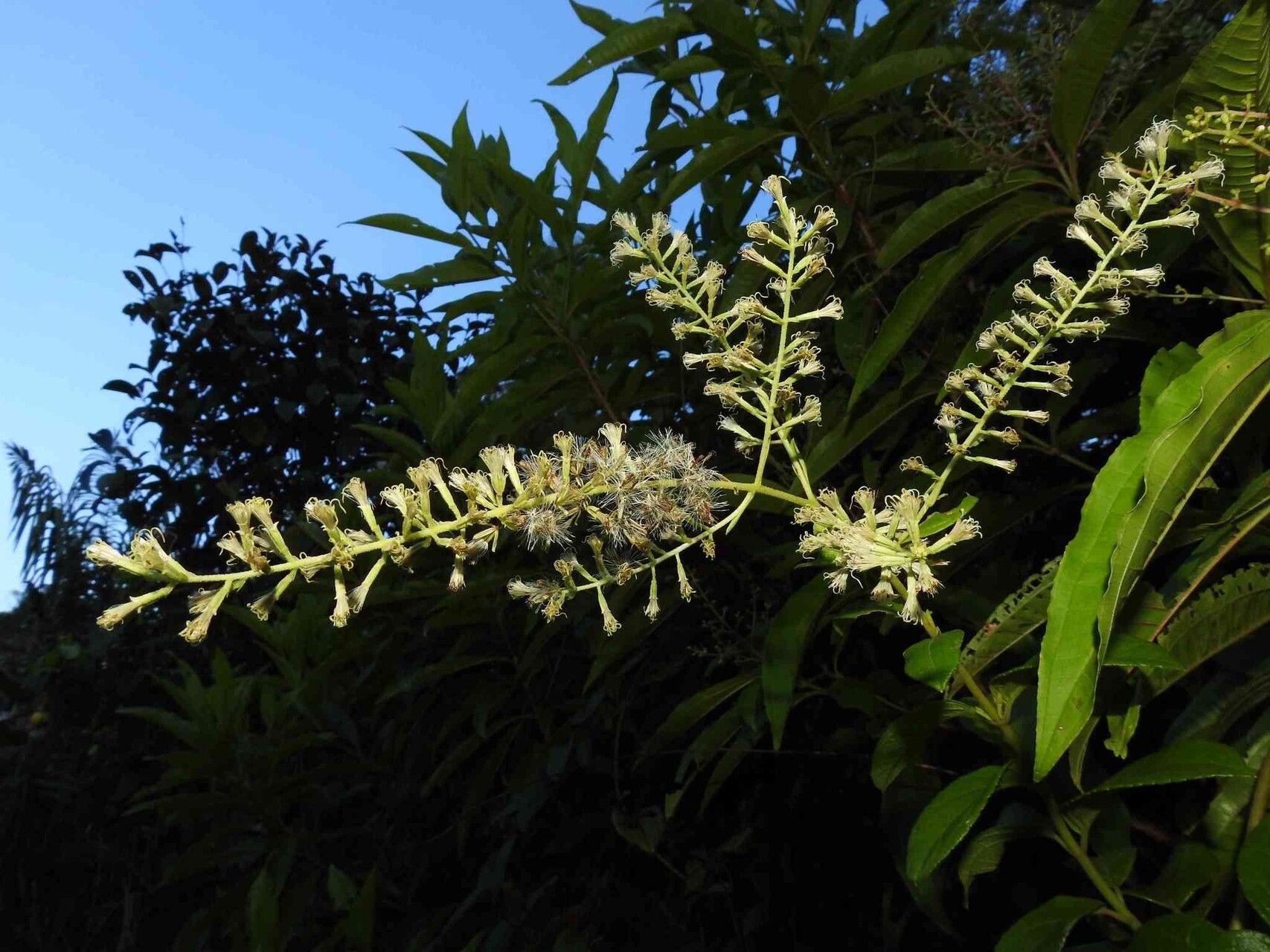
Hey there, fellow plant lovers! I’m so excited to dive into propagating Mikania psilostachya with you today. If you’ve ever admired this vine’s delicate beauty and delightful, sweet fragrance, you’ll know just how lovely it is to bring more of that joy into your own garden. Propagating it is a fantastic way to share this gem with friends or simply expand your own collection without spending a dime. And don’t you worry, while it might seem a little daunting at first, I’ve found Mikania psilostachya to be quite forgiving, even for beginners.
The Best Time to Start
For the best chances of success, I always reach for my pruning shears in late spring or early summer. This is when the plant is actively growing and has plenty of energy to put into developing new roots. Look for stems that are semi-woody, meaning they’re not bright green and tender, but also not old and hard. They should have a little flexibility, like a firm but bendable twig.
Supplies You’ll Need
Gathering your supplies beforehand makes the whole process smoother sailing. Here’s what I usually have on hand:
- Sharp Pruning Shears or a Knife: Cleanliness is key to preventing disease.
- Rooting Hormone (Optional but Recommended): A little powder can give your cuttings a significant boost.
- Potting Mix: I like a well-draining mix – a blend of peat moss, perlite, and a little compost usually does the trick. You can also buy specific seedling or cutting mixes.
- Small Pots or Seedling Trays: Clean pots are a must!
- Plastic Bags or a Clear Dome: To create a humid environment.
- Watering Can with a Fine Rose: For gentle watering.
- Labels and a Pen: Trust me, you’ll thank yourself later!
Propagation Methods
I find stem cuttings to be the most reliable and straightforward method for Mikania psilostachya.
Stem Cuttings
- Take Your Cuttings: Choose a healthy, non-flowering stem and make a clean cut just below a leaf node (where a leaf attaches to the stem). You want cuttings that are about 4-6 inches long. Remove the lower leaves, leaving just a couple at the top.
- Dip in Rooting Hormone (Optional): If you’re using rooting hormone, lightly dip the cut end into the powder, tapping off any excess.
- Potting Up: Fill your small pots or seedling trays with your prepared potting mix. Make a small hole in the center of the soil for each cutting, just large enough to insert the stem.
- Plant the Cuttings: Gently insert the cuttings into the holes, ensuring at least one leaf node is buried under the soil. Firm the soil gently around the base of each cutting to hold it in place.
- Water Gently: Water the soil thoroughly but gently, allowing excess water to drain away.
- Create Humidity: Cover the pots loosely with a clear plastic bag or place them under a clear dome. This traps humidity, which is crucial for cuttings as they don’t have roots yet to absorb water. Make sure the leaves don’t touch the plastic.
- Provide Bright, Indirect Light: Place your cuttings in a spot that gets plenty of bright, indirect sunlight. Avoid direct, hot sun, which can scorch the delicate new growth and overheat the humid environment.
Water Propagation
You can also try rooting your Mikania psilostachya cuttings in water, which is wonderfully visual!
- Prepare Cuttings: Follow steps 1 and 2 as above. You can leave a few more leaves on for water propagation.
- Place in Water: Put your cuttings in a clean jar or vase filled with lukewarm water.
- Change Water Regularly: Change the water every few days to keep it fresh and prevent bacterial growth.
- Observe Root Development: You’ll be able to see the roots grow right before your eyes! Once the roots are about an inch long, it’s time to pot them up into soil as described in step 4 of the stem cutting method. Be extra gentle when transferring them to avoid damaging the new root system.
The “Secret Sauce” (Pro Tips)
Here are a couple of things I’ve learned over the years that really make a difference:
- Don’t Let the Leaves Touch the Water: This is a big one for water propagation, but it also applies if your humidity dome lets leaves brush the condensation. Wet leaves sitting in stagnant conditions are a fast track to rot. Keep them elevated and airy.
- Bottom Heat is Your Friend: While not strictly essential, placing your pots on a gentle heating mat can significantly speed up root development by keeping the soil consistently warm. It mimics the warmth of summer soil and really encourages those roots to form.
- A Light Mist Can Help: In addition to the enclosed humidity, giving the leaves a light misting with water occasionally can help keep them turgid while they’re waiting for roots.
Aftercare & Troubleshooting
Once you start seeing new leaf growth or feel resistance when gently tugging on a cutting, you know roots have formed! That’s the exciting moment!
- Acclimatize Slowly: Gradually introduce your new plant to normal room conditions by removing the plastic bag or dome for increasing periods over a week.
- Pot Up: Once your cutting has a good root system, gently transplant it into a slightly larger pot with fresh potting mix.
- Water Consistently: Water your new plant whenever the top inch of soil feels dry.
- Watch for Rot: The most common problem is rot. If your cutting turns black and mushy, it’s probably been too wet or the environment was too stagnant. Don’t be discouraged; just try again! Overwatering is usually the culprit, so ensure good drainage and let the soil dry out slightly between waterings.
A Little Patience Goes a Long Way
Propagating plants is a journey, and like any good journey, it requires a bit of patience. Don’t be disheartened if your first few attempts aren’t perfect. Every gardener has had their share of failures – it’s all part of the learning process. Enjoy watching those tiny roots emerge and celebrating that first sign of new growth. Happy propagating!
Resource:
https://identify.plantnet.org/k-world-flora/species/Mikania%20psilostachya%20DC./data