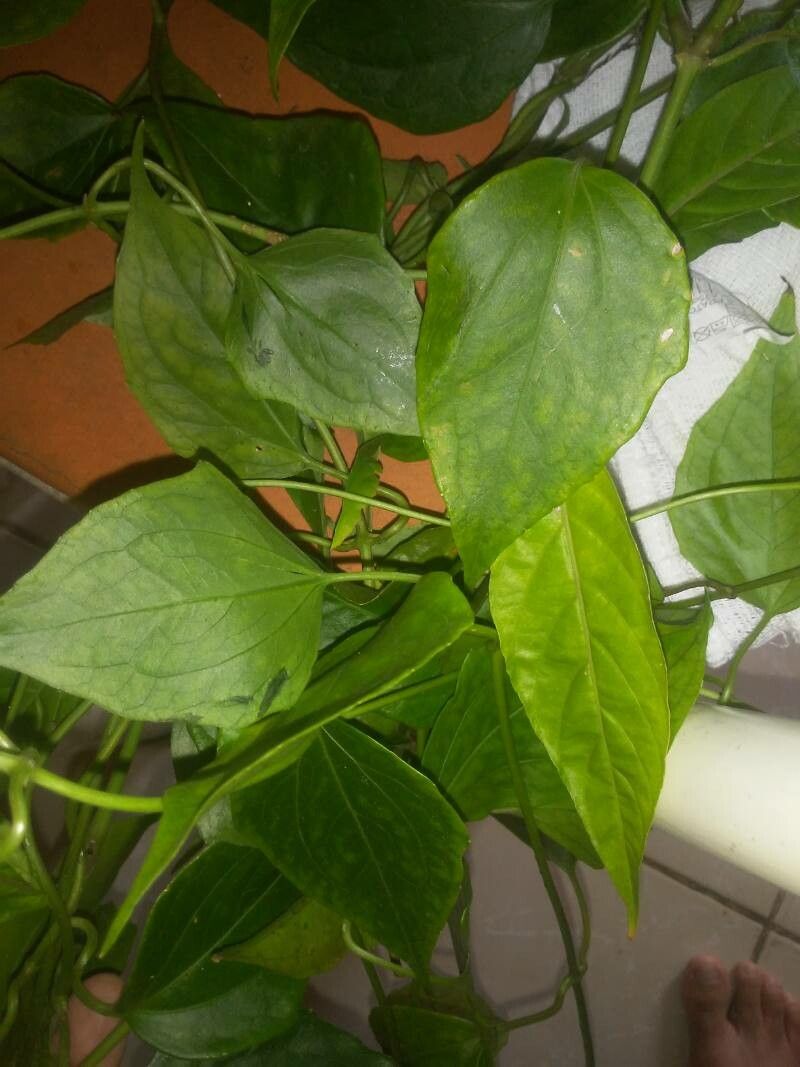
Well hello there, fellow plant lovers! I’m so happy you’re here. Today, we’re diving into the wonderful world of propagating Mikania lindleyana. This vine, with its delicate, starry white flowers and lovely climbing habit, is a real charmer in the garden. And let me tell you, there’s a special kind of magic in taking a piece of yours and coaxing it into a whole new life. It’s even more rewarding when you can share those new plants with friends!
Now, if you’re just starting out on your propagation journey, Mikania lindleyana is a relatively forgiving friend. It’s not a finicky diva at all, which makes it a great plant to practice your new skills on.
The Best Time to Start
For the highest success rate with Mikania lindleyana, aim for late spring or early summer. This is when the plant is actively growing and has plenty of energy to put into developing new roots. You can also have good luck with cuttings taken in early autumn, provided they’re brought indoors before the first frost. Look for stems that are semi-hardwood, meaning they’re starting to firm up but haven’t become woody yet.
Supplies You’ll Need
Here’s a little kit to get you started:
- Sharp Pruning Shears or a Clean Knife: For making clean cuts.
- Rooting Hormone (Optional but Recommended): A powder or gel to give your cuttings a head start.
- Perlite or Coarse Sand: To mix into your potting medium for excellent drainage.
- Potting Mix: A light, airy mix is best. I usually combine equal parts good quality potting soil and perlite.
- Small Pots or Propagation Trays: Clean, with drainage holes!
- Clear Plastic Bags or a Propagator: To create a humid environment.
- Watering Can or Spray Bottle: For gentle watering.
Propagation Methods
Let’s get our hands dirty! Here are a couple of effective ways to multiply your Mikania lindleyana:
1. Stem Cuttings (My Favorite!)
This is generally the most reliable method for Mikania lindleyana.
- Select Your Cuttings: Choose healthy, vigorous stems. Look for sections with several leaves and at least two growth nodes (the little bumps where leaves emerge).
- Make Your Cuts: Using your sharp shears, take cuttings about 4-6 inches long. Make the cut just below a node. This is where roots are most likely to form.
- Prepare the Cuttings: Gently remove the lower leaves. You want to be left with just a few leaves at the top. If the leaves are very large, you can even cut them in half to reduce water loss.
- Apply Rooting Hormone: Dip the cut end of the stem into your rooting hormone, tapping off any excess.
- Plant Your Cuttings: Fill your small pots with your prepared potting mix. Make a small hole with your finger or a pencil and insert the cut end of the cutting. Gently firm the soil around it.
- Water Gently: Water thoroughly but gently. You don’t want to dislodge your cuttings.
2. Water Propagation (For the Impatient!)
This method is fun to watch, but be mindful of rot.
- Prepare Cuttings: Follow the same steps for selecting and preparing cuttings as above.
- Place in Water: Place the cuttings in a jar or vase filled with clean water. Make sure the nodes are submerged, but try to keep the leaves out of the water.
- Change Water Regularly: Change the water every few days to keep it fresh and prevent stagnation. You’ll start to see tiny roots emerging from the nodes in a few weeks.
- Pot Up When Ready: Once the roots are about an inch long, it’s time to transplant them into your potting mix.
The “Secret Sauce” (Pro Tips)
Here are a couple of little tricks I’ve picked up over the years that can make a big difference:
- Don’t Let the Leaves Touch the Water: This is crucial, especially in water propagation. Submerged leaves will quickly rot and can take your entire cutting down with them. If your cuttings are tall, use a taller container or trim them so only the lower part with nodes is in the water.
- Embrace Bottom Heat: If you have a heating mat designed for propagators, use it! Mikania lindleyana loves a bit of warmth from below. It encourages root development much faster than ambient room temperature alone. My seedlings practically sing when they get a little cozy heat.
Aftercare & Troubleshooting
Once your cuttings have rooted (you’ll see new leaf growth, a good sign!), it’s time for a little extra TLC.
- Acclimatize Slowly: If you used a plastic bag or propagator, gradually open it up over a few days to let your new plant get used to the drier, normal room humidity.
- Watering: Keep the soil consistently moist but not waterlogged. Water when the top inch of soil feels dry.
- Light: Place your new plants in bright, indirect light. Avoid direct sun, which can scorch delicate new growth.
Now, what if things go wrong? The most common culprit is rot. If your cutting turns mushy, black, or just collapses, it’s likely rot. This is often caused by too much moisture and poor air circulation. If you see this happening, remove the affected cutting immediately to prevent it from spreading to others. Sometimes, failure to root happens; don’t get discouraged! It’s all part of the learning process. Some cuttings might just not have what it takes, and that’s okay.
A Little Patience Goes a Long Way
Propagating plants is a journey, and like any good journey, it requires a bit of patience. Watching those tiny roots form and eventually seeing your new Mikania lindleyana flourish is incredibly rewarding. Don’t be afraid to experiment and learn from each attempt. Happy propagating, and enjoy the process!
Resource:
https://identify.plantnet.org/k-world-flora/species/Mikania%20lindleyana%20DC./data