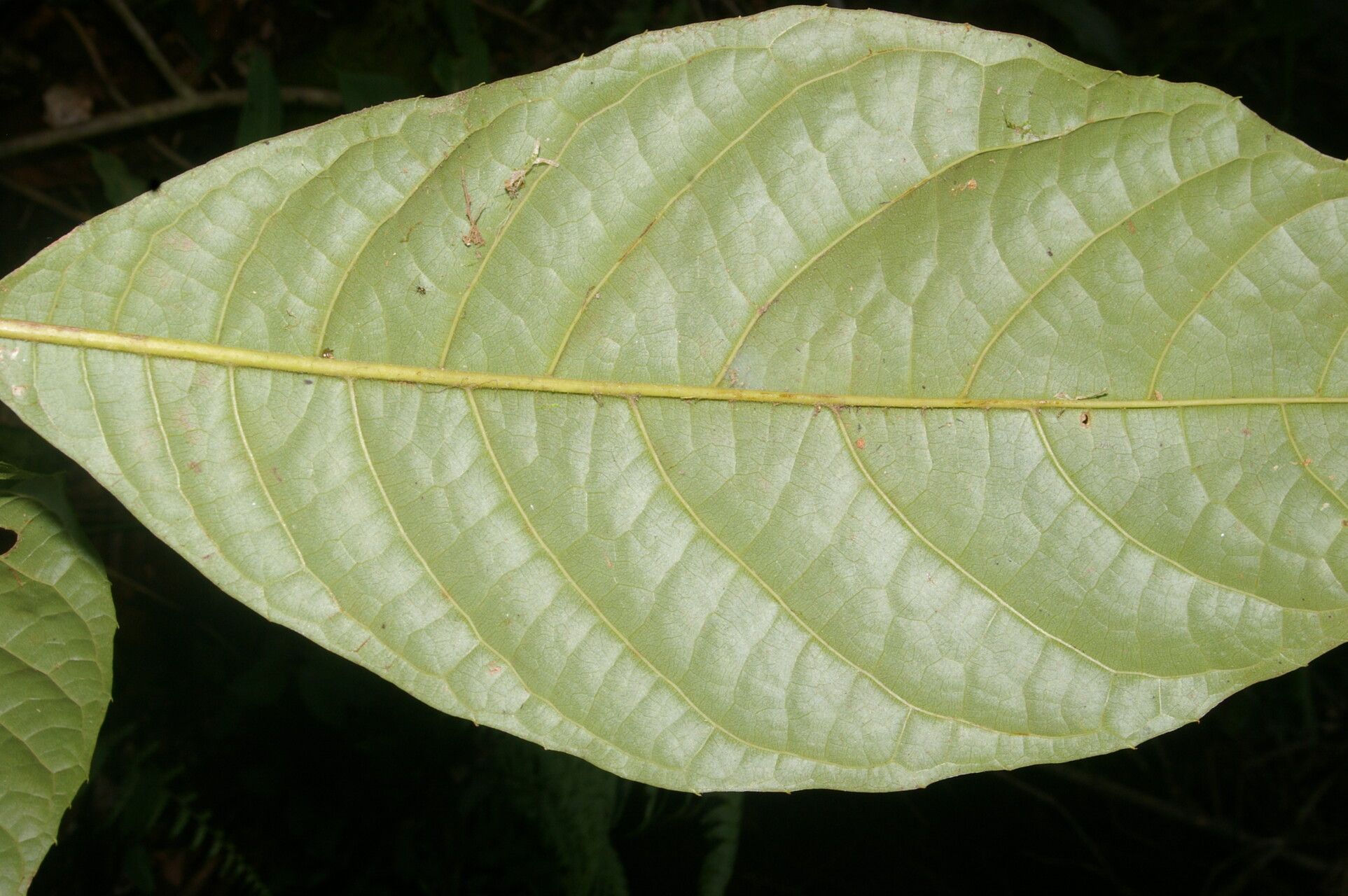
Hey there, fellow garden enthusiasts! It’s always a joy to share a little bit of my green-thumb wisdom with you. Today, we’re diving into the world of Meliosma depressiva, a fascinating plant that I’ve grown quite fond of over the years. Its delicate, almost fern-like foliage and subtle, sweet fragrance make it a real gem for any shady corner or woodland garden. If you’ve ever marveled at its beauty and thought, “I wish I had more of those!” then you’re in the right place. Propagating Meliosma depressiva can be incredibly rewarding, and while it might seem a tad intimidating at first glance, it’s actually a pretty accessible project for most gardeners.
The Best Time to Start
For the highest success rate with Meliosma depressiva, I find that late spring to early summer is your golden ticket. This is when the plant is actively growing after its winter rest. You’ll be harvesting softwood or semi-hardwood cuttings, which have just enough flexibility to root well but are sturdy enough to withstand the process. Trying to propagate from very soft, new growth can be too fragile, and from old, woody stems might take far too long.
Supplies You’ll Need
Gathering your tools beforehand makes the whole process so much smoother. Here’s what I usually have on hand:
- Sharp pruning shears or a clean knife: For making clean cuts that heal well.
- Rooting hormone: A powder or gel specifically for stem cuttings. It really gives them a boost!
- A well-draining potting mix: I like a blend of perlite, peat moss, and a bit of compost. About a 2:1:1 ratio usually works for me.
- Small pots or seed trays: With drainage holes, of course.
- Plastic bags or a propagation dome: To create a humid environment around your cuttings.
- Water: For moistening the soil and for watering later.
- A spray bottle: For misting.
Propagation Methods
We’ll focus on stem cuttings, as that’s generally the most effective and straightforward method for Meliosma depressiva.
- Take Your Cuttings: On a mild morning, select healthy, non-flowering stems from your mature Meliosma. Look for stems that are slightly flexible but not brittle. Using your sharp pruning shears, make a clean cut just below a leaf node. A cutting about 4-6 inches long is ideal. You can take several cuttings to increase your chances.
- Prepare the Cuttings: Gently remove the lower leaves from the bottom half of the cutting. This prevents them from rotting in the soil. You can leave 2-3 sets of leaves at the top. If the remaining leaves are very large, I sometimes like to cut them in half lengthwise to reduce water loss through transpiration.
- Apply Rooting Hormone: Dip the cut end of each stem into your rooting hormone, tapping off any excess. This little step makes a big difference for encouraging new root growth.
- Pot Up Your Cuttings: Fill your pots or trays with the moistened potting mix. Make a small hole in the center of the soil with your finger or a pencil. Gently insert the hormone-coated end of the cutting into the hole, ensuring at least one leaf node is buried beneath the surface. Firm the soil gently around the base of the stem.
- Create a Humid Environment: Water the soil lightly to settle it around the cuttings. Then, cover the pots loosely with a plastic bag or place them under a propagation dome. You want to trap moisture and create a mini-greenhouse effect.
The “Secret Sauce” (Pro Tips)
After years of trial and error, a few things stand out to me that really help these little guys thrive:
- Bottom Heat is Your Friend: Meliosma depressiva loves a little warmth from beneath. Placing your pots on a heated propagation mat can significantly speed up root development. It mimics the warmth of spring soil and gives those roots a happy nudge.
- Don’t Let the Foliage Hang in Water: If you’re doing temporary water propagation before potting (which I don’t recommend as the primary method for this plant as it can shock them), just make sure no leaves are submerged. Leaves sitting in water are a fast track to rot. For cuttings in soil, ensure the soil stays consistently moist but not waterlogged.
- Patience with the Potting Mix: I’ve found that a slightly coarser mix than usual for cuttings, with plenty of perlite, helps with drainage and aeration, which is crucial for preventing rot. Stick with that well-draining blend!
Aftercare & Troubleshooting
Once your cuttings are potted, place them in a bright location that receives indirect sunlight. Avoid direct sun, as it can scorch those delicate new leaves. Keep the soil consistently moist but not soggy. You can gently mist the foliage every few days, especially if you don’t have a dome.
You’ll know your cutting is rooting when you see new leaf growth or feel a gentle resistance when you lightly tug on the stem. This can take anywhere from 4-8 weeks, sometimes longer. Be patient!
The most common issue you might encounter is rot. If your cutting turns black and mushy, it’s usually a sign of too much moisture and not enough air circulation. If you see this, remove the affected cutting immediately to prevent it from spreading. Sometimes, a cutting just doesn’t take. Don’t get discouraged; it happens to the best of us!
A Encouraging Closing
Propagating plants is a wonderful dance with nature, a chance to witness the magic of new life. Don’t be afraid to experiment, and most importantly, be patient with your little Meliosma depressiva cuttings. Each success, big or small, is a reason to celebrate. Enjoy the process, and soon you’ll have a whole collection of these delightful plants to share or admire yourself! Happy gardening!
Resource:
https://identify.plantnet.org/k-world-flora/species/Meliosma%20depressiva%20J.F.Morales/data