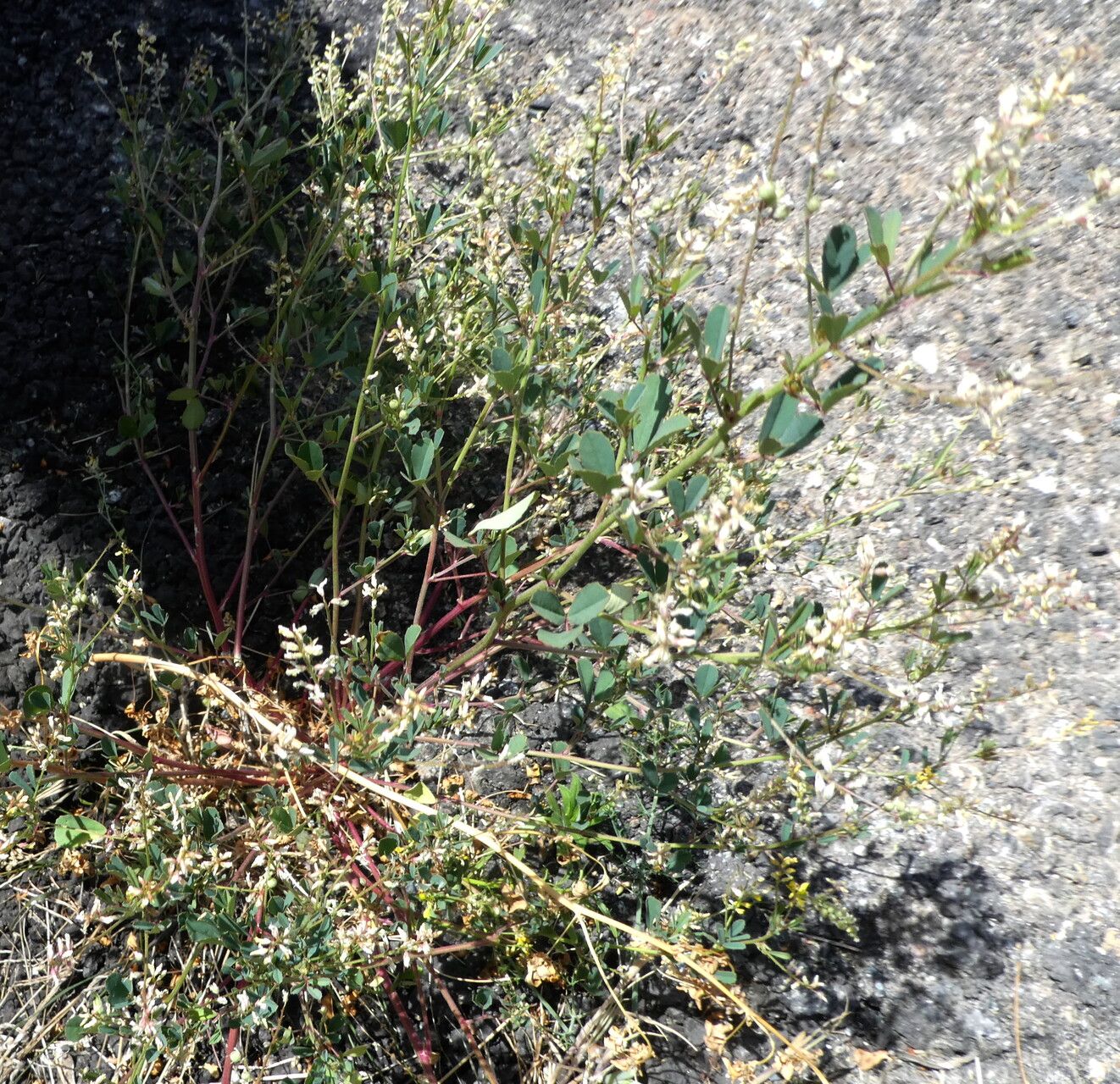
Oh, hello there! Come on in and pull up a chair. Let’s chat about something that truly brightens my gardening days: Melilotus neapolitanus, or as I affectionately call it, Neapolitan Sweet Clover. It’s such a charming plant, with those delicate little pea-like flowers that draw in all sorts of beneficial insects. Plus, there’s a special kind of satisfaction in coaxing new life from an existing plant. It’s a wonderful way to share its beauty, or simply to ensure you have more of it for yourself! For newcomers to plant propagation, I’d say Melilotus neapolitanus is a pretty beginner-friendly choice. You’ll likely find success with it.
The Best Time to Start
When it comes to getting the most from your cuttings, my experience tells me that late spring to early summer is your sweet spot. This is when the plant is actively growing, pushing out fresh shoots that have the energy and vigor needed to root. You want to select stems that are firm but not woody – think of it like a flexible pencil. Avoid those that are still very soft and floppy, or those that have already started to mature and harden off.
Supplies You’ll Need
Gathering your tools beforehand makes the whole process so much smoother. Here’s what I usually have on hand:
- Sharp pruning shears or a clean craft knife: For making clean cuts.
- Rooting hormone (optional but helpful): A powder or gel that encourages root development.
- Well-draining potting mix: A good blend for cuttings often includes perlite or coarse sand to keep things airy. I often use a 50/50 mix of peat moss and perlite, or a seed-starting mix.
- Small pots or trays: Clean pots are essential to prevent disease.
- Watering can or spray bottle: For gentle watering.
- Clear plastic bag or propagation dome: To create a humid environment.
- Labels: So you don’t forget what you’ve planted where!
Propagation Methods
For our Neapolitan Sweet Clover, I find stem cuttings are the most reliable and rewarding method. Here’s how I do it:
- Take Your Cuttings: Using your sharp pruning shears or knife, carefully snip off stem tips that are about 4-6 inches long. Make your cut just below a leaf node (where a leaf attaches to the stem). Remove the lower leaves, leaving just a few at the top.
- Prepare the Cuttings: If you’re using rooting hormone, dip the cut end of each stem into the powder or gel. Gently tap off any excess.
- Pot Them Up: Fill your small pots with your prepared, moistened potting mix. Make a small hole in the center of each pot with your finger or a pencil. Insert the cut end of the stem into the hole, ensuring the leaf nodes are buried. Gently firm the soil around the stem.
- Create Humidity: Water the soil gently. Then, cover the pot with a clear plastic bag, securing it around the rim with a rubber band, or place it under a propagation dome. This creates a mini-greenhouse effect, keeping the humidity high.
- Provide Light and Warmth: Place your pots in a location with bright, indirect light. Avoid direct sun, which can scorch the delicate cuttings. A warm spot, perhaps on a windowsill that gets morning sun, is ideal.
The “Secret Sauce” (Pro Tips)
Now, a few little tricks I’ve learned over the years that can really make a difference:
- Don’t Drown Your Leaves: If you notice any leaves are touching the soil or pressing against the sides of the plastic bag, gently trim them off or adjust the bag. Leaves sitting in damp soil or condensation can quickly lead to rot.
- Bottom Heat is Your Friend: If you have a propagation mat, placing your pots on it can significantly speed up the rooting process. That gentle warmth from below mimics ideal soil temperatures and will really encourage those roots to form.
- Be Patient with the Hormone: If you choose to use rooting hormone, remember it’s a helper, not a guarantee. Some stems will root fine without it. Don’t over-apply; a light dusting is all that’s needed.
Aftercare & Troubleshooting
Once you start to see new leaf growth emerging from your cuttings – usually after a few weeks – that’s a good sign that roots are forming. You can gently tug on a stem; if you feel resistance, there are likely roots! Now, it’s time to gradually acclimate your new babies.
First, start removing the plastic bag for short periods each day, gradually increasing the time until you can leave it off entirely. Continue to water them when the top inch of soil feels dry. Keep them in that bright, indirect light.
If you notice your cuttings turning yellow and mushy at the base, that’s usually a sign of rot. This often happens from overwatering or poor drainage. If you catch it early, you might be able to save a cutting by carefully removing it, trimming away any affected parts, and repotting it in fresh, drier soil. Sometimes, it’s just a learning moment, and that’s okay!
A Little Encouragement
Propagating plants, especially something as lovely as Melilotus neapolitanus, is a journey. There will be successes, and perhaps a few things that don’t quite work out the first time. Don’t get discouraged! Each attempt is a chance to learn. So, grab your tools, get your hands in the soil, and enjoy the process of nurturing new life. Happy gardening!
Resource:
https://identify.plantnet.org/k-world-flora/species/Melilotus%20neapolitanus%20Ten./data