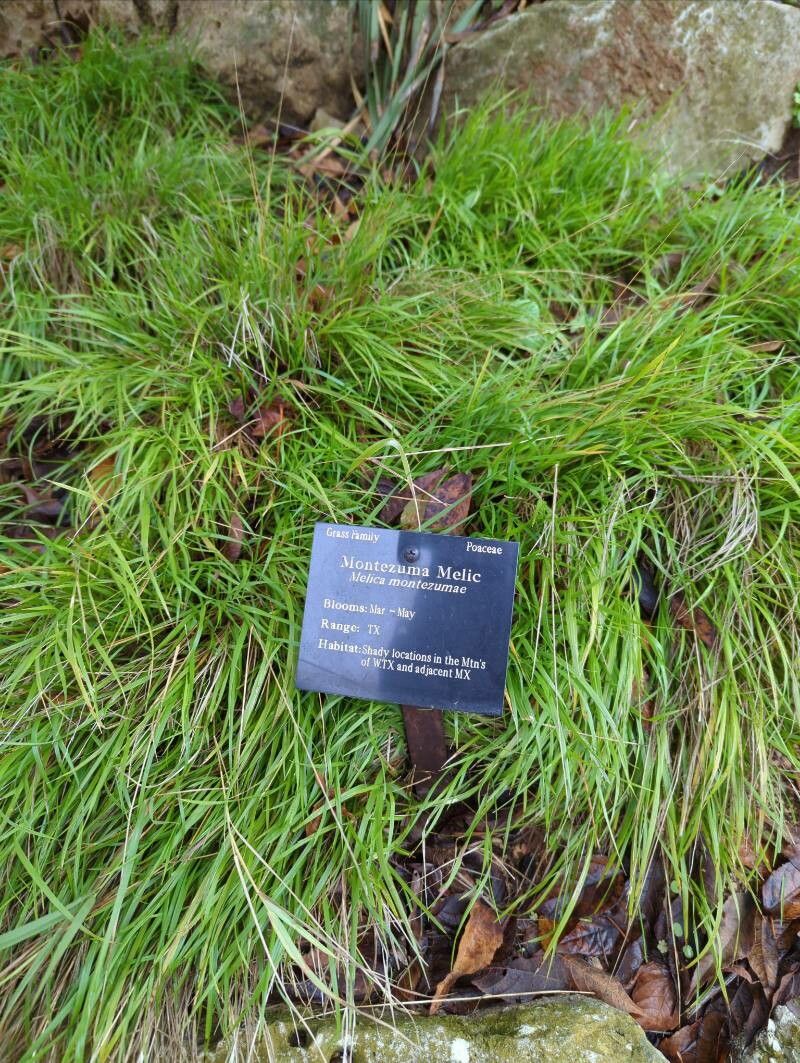
Oh, Melica montezumae! Isn’t she a beauty? With those graceful, arching leaves that shimmer in the slightest breeze, it’s no wonder you’re drawn to this delightful ornamental grass. Propagating it yourself feels like unlocking a little bit of garden magic, and trust me, it’s a wonderfully rewarding way to fill your space with more of that elegant charm. For beginners, I’d say Melica montezumae falls into the “moderately easy” category. It’s not as straightforward as a succulent cutting, but it’s definitely achievable with a little patience and these tips.
The Best Time to Start
I find the absolute sweet spot for propagating Melica montezumae is in early spring, just as the plant is waking up from its winter slumber and starting its vigorous new growth. You can also have success in late summer, after the main flowering flush has passed. The key is to work with healthy, actively growing material. Trying to propagate from a plant that’s stressed or dormant just won’t yield the best results.
Supplies You’ll Need
Gathering your tools beforehand makes the whole process so much smoother. Here’s what I always have on hand:
- Sharp Pruning Shears or a Knife: Clean, sharp tools are crucial to prevent crushing the delicate plant tissues.
- Well-Draining Potting Mix: A good quality mix formulated for cacti and succulents works wonderfully, or you can create your own by blending equal parts peat moss, perlite, and coarse sand.
- Small Pots or Propagation Trays: Clean pots are a must to avoid introducing diseases.
- Bottom Heat (Optional but Recommended): A propagation mat can significantly speed up root development.
- Rooting Hormone (Optional): While not strictly necessary for Melica montezumae, a rooting hormone can give you a helpful boost.
- Watering Can with a Fine Rose: For gentle watering.
- Labels and a Marker: To keep track of what you’ve planted and when!
Propagation Methods
For Melica montezumae, division is by far the most reliable and easiest method. Stem cuttings can be trickier with grasses, so let’s focus on what works best.
1. Division: The Gardener’s Best Friend
This is how I’ve multiplied my clumps of Melica montezumae for years. It’s like giving your existing plant a much-needed haircut and getting new plants as a bonus!
- Step 1: Prepare the Parent Plant. Dig up the entire clump carefully, ideally when the soil is slightly moist but not waterlogged. Gently shake off excess soil.
- Step 2: Locate Divisions. Look for natural separations within the clump. You’ll see where new shoots are emerging from the base of older stems.
- Step 3: Make the Cut. Using your sharp knife or trowel, gently slice or pull apart the clump into sections. Each division should have at least one or two healthy shoots and a good portion of the root system. Aim for divisions that are a manageable size.
- Step 4: Potting Up. Plant each division in its own pot filled with your well-draining potting mix. Bury the roots, ensuring the crown of the plant is at soil level.
- Step 5: Water and Settle. Water the newly potted divisions thoroughly. The goal is to settle the soil around the roots.
The “Secret Sauce” (Pro Tips)
After years of getting my hands dirty, I’ve picked up a few tricks that really make a difference.
- Don’t Drown Your Divisions: While you want to keep the soil consistently moist after division, avoid waterlogging. This is the fastest way to encourage rot, especially on new divisions that haven’t established yet. Let the top inch of soil dry out slightly between waterings.
- Embrace Bottom Heat: If you can swing it, a propagation mat is a game-changer. Grasses, in general, love warmth at their roots. That gentle heat encourages faster, stronger root development, leading to quicker establishment and less stress on your new plants.
- Consider a Light Shade: Immediately after potting divisions, place them in a location with bright, indirect light. Direct, harsh sun can scorch those newly separated shoots before they’ve had a chance to form new roots. A bright window or a lightly shaded spot outdoors is perfect.
Aftercare & Troubleshooting
Once your divisions are potted, your job isn’t quite done, but it becomes much simpler.
- Watering: Keep the soil consistently moist but not soggy. I usually check the soil moisture daily for the first week or two, then gradually extend the time between waterings as the plant establishes. You’ll start to see new growth appearing, a sure sign things are going well.
- Signs of Trouble: The most common problem you might encounter is rot. This usually manifests as wilting, mushy stems at the base, or a blackening of the roots. If you spot this, it’s often too late to save the division. The best prevention is to ensure excellent drainage and avoid overwatering. Another sign of stress is browning leaf tips, which can happen if the plant is too dry, or sometimes just from the shock of being moved.
A Little Patience Goes a Long Way
Growing a beautiful garden is all about patience and observation. Don’t get discouraged if your first attempt isn’t perfect. Each time you try, you get a little bit wiser. Enjoy the process of nurturing these new plants, and before you know it, you’ll have a whole collection of graceful Melica montezumae to admire. Happy gardening!
Resource:
https://identify.plantnet.org/k-world-flora/species/Melica%20montezumae%20Piper/data