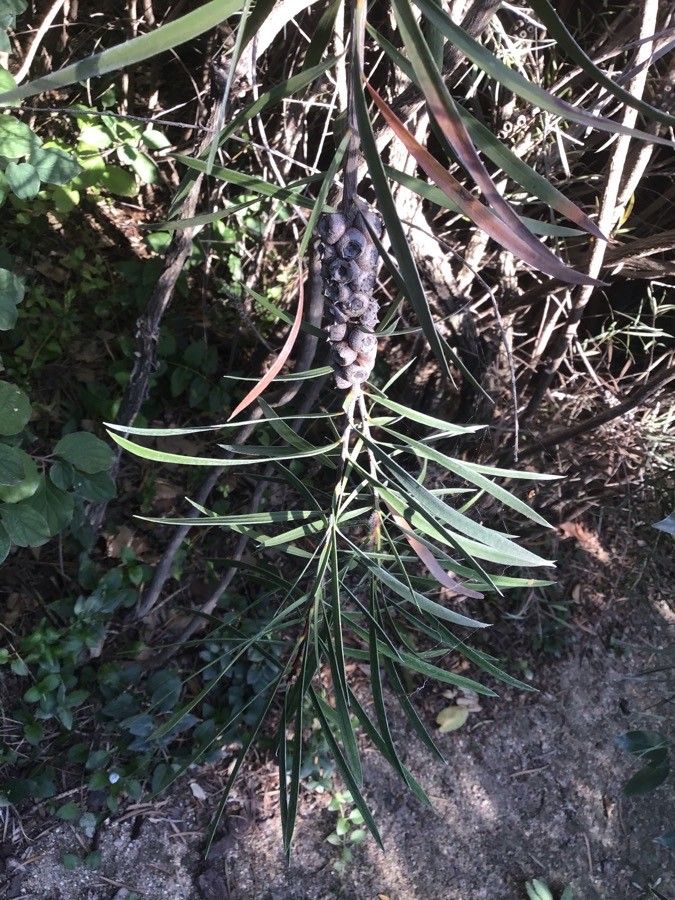
Oh, hello there! Pull up a chair. I’m so glad you’re interested in propagating Melaleuca glauca. This little Australian native, often called Weeping Paperbark or Shiny-leaved Paperbark, is such a delight. Its delicate, fine foliage and charming habit bring a touch of the wild to any garden, and honestly, watching a tiny twig transform into a flourishing plant is one of life’s simple, profound joys.
Now, I know some plants can feel a bit intimidating when it comes to propagation. Melaleuca glauca, though? It’s generally quite amenable and a wonderful choice for those dipping their toes into the rewarding world of growing plants from cuttings. You’ll find it’s a journey with a high chance of success, which is always a lovely thing for a gardener, isn’t it?
The Best Time to Start
When I’m looking to get new Melaleuca glauca plants going, I always aim for late spring or early summer. This is when the plant is in a strong growth phase, meaning it has plenty of energy to put into rooting and establishing itself. You want to be taking cuttings from new, softwood growth. This is the vibrant, green, flexible stuff that snaps cleanly when you bend it, not the woody, stiff stems from older growth.
Supplies You’ll Need
You don’t need a whole lot of fancy gadgets for this, but having the right tools makes all the difference:
- Sharp pruning shears or a clean, sharp knife: For making those crucial, clean cuts.
- Rooting hormone (optional but recommended): A powder or gel that encourages faster and stronger root development.
- Well-draining potting mix: I like a blend of perlite, peat moss (or coco coir), and a bit of coarse sand. You want it to be airy and not hold too much moisture.
- Small pots or seed trays: Clean ones, please!
- Plastic bags or a propagator: To create a humid environment.
- Labels and a waterproof pen: To keep track of what you’ve planted.
- A watering can with a fine rose: For gentle watering.
Propagation Methods: Stem Cuttings
This is by far the most common and effective way to propagate Melaleuca glauca. Here’s how I do it:
- Select Your Cuttings: Find those lively, softwood stems we talked about. Look for growth that’s about 4 to 6 inches long.
- Make the Cut: Using your sharp shears or knife, make a clean cut just below a leaf node. A leaf node is where a leaf attaches to the stem; this is where the magic happens for rooting.
- Prepare the Cutting: Gently remove the lower leaves from the cutting, leaving just a few at the very top. This prevents leaves from rotting when they’re buried and also reduces water loss. If the leaves are quite large, you can even cut them in half horizontally – this further reduces transpiration.
- Apply Rooting Hormone (if using): Dip the cut end of the stem into the rooting hormone. Tap off any excess powder. This step isn’t strictly necessary, but it really does give you a significant boost.
- Plant the Cuttings: Fill your small pots with the well-draining potting mix. Make a small hole with your finger or a pencil, and insert the cutting about an inch deep. Gently firm the soil around it.
- Water Gently: Water the soil thoroughly but gently with your fine-rose watering can. You want the soil to be moist, not waterlogged.
- Create Humidity: Now, for the humidity! You can place a clear plastic bag loosely over the pot, supported by stakes so it doesn’t touch the leaves. Alternatively, pop the pots into a propagator. A propagator is essentially a mini-greenhouse, and it works beautifully.
- Find a Bright Spot: Place the pots in a warm location with bright, indirect light. Avoid direct sun, which can scorch the delicate cuttings.
The “Secret Sauce” (Pro Tips)
After years in the garden, a few little tricks emerge. For Melaleuca glauca cuttings, these really make a difference:
- Don’t let the leaves touch the water if you happen to try water propagation. While some plants are happy bobbing in a jar, Melaleuca glauca generally prefers to be in a substrate. If any leaves are submerged, they’ll likely just rot and invite fungal issues. Stick to the potting mix method for best results.
- Bottom Heat is your friend! If you have the option, placing your propagator or pots on a heated seed mat can dramatically speed up root formation. It mimics the warmth of the soil in summer and encourages roots to develop more quickly.
- Cleanliness is paramount. I cannot stress this enough. Use sterilized pots and tools. This helps prevent any fungal diseases from taking hold, which is the most common culprit when cuttings fail.
Aftercare & Troubleshooting
Once your cuttings are planted, patience is key. Check the soil moisture regularly; it should feel consistently moist but not soggy. You can gently lift the pot to gauge its weight – a lighter pot means it’s time for a drink.
You’ll know your cuttings are taking root when you see new growth appearing at the top. This can take anywhere from 4 to 8 weeks, sometimes longer. You can also give a very gentle tug on a cutting – if there’s resistance, they’ve likely rooted.
The most common sign of failure is wilting and browning, followed by a soft, mushy rot at the base of the cutting. This is usually a sign of too much moisture and not enough air circulation, or a fungal infection. If you see this, unfortunately, that cutting is likely lost. It’s better to discard it and start again, learning from the experience.
A Encouraging Closing
See? It’s not an insurmountable task at all! Propagating Melaleuca glauca is a wonderful way to expand your collection, share with friends, and deepen your connection with the plant world. Don’t be discouraged if your first attempt isn’t perfect. Every gardener has their share of lost cuttings. Just keep at it, observe your plants, and enjoy the process of nurturing new life. Happy gardening!
Resource:
https://identify.plantnet.org/k-world-flora/species/Melaleuca%20glauca%20(DC.)%20Craven/data