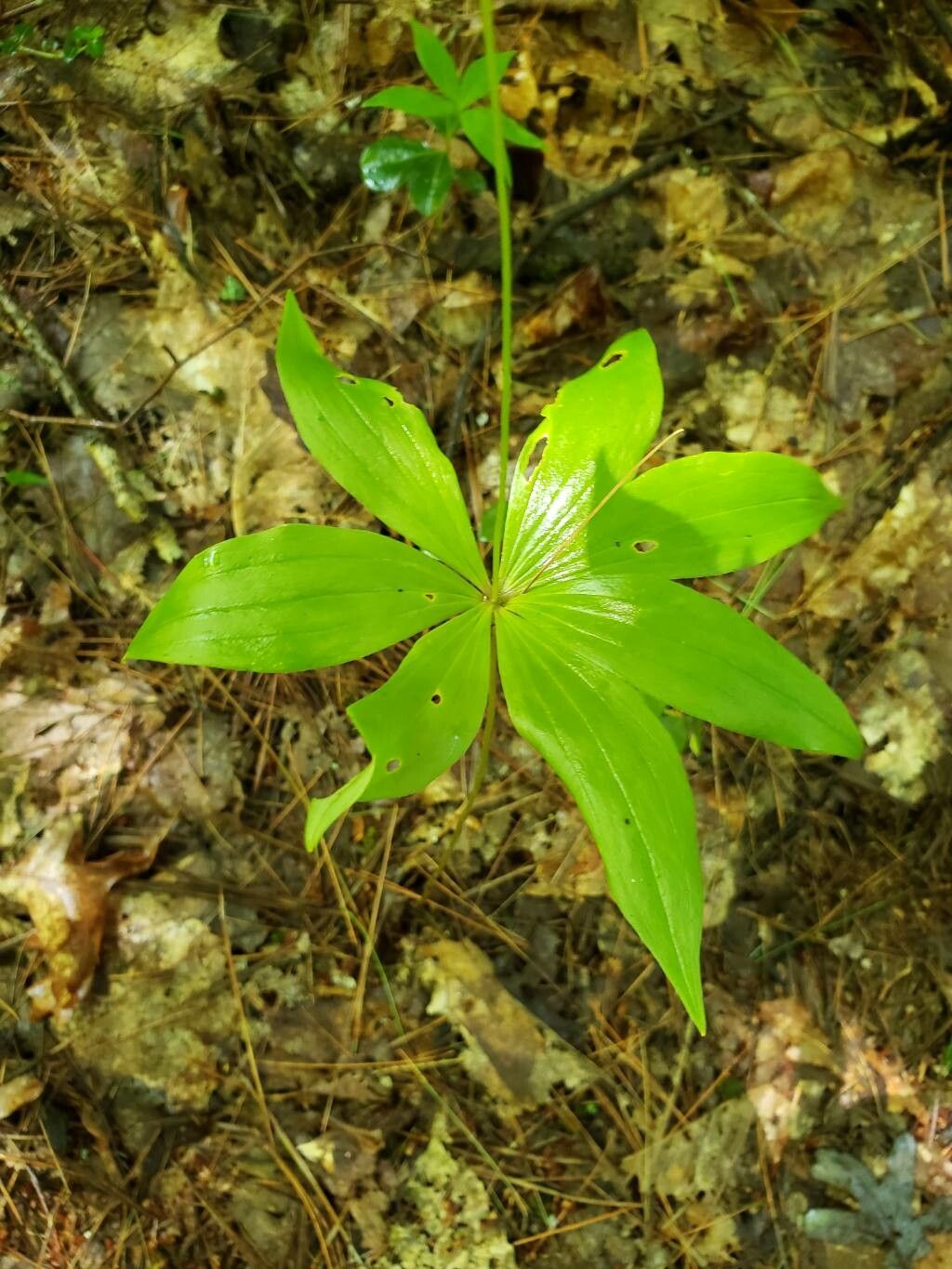
Hello, fellow plant enthusiasts! If you’ve ever admired the delicate beauty of Medeola virginiana, also known as Indian Cucumber Root, you’re in for a treat. Its whorls of elegant leaves and subtle charm make it a woodland gem. And the best part? You can bring more of this magic into your garden through propagation. I’ve been working with plants for two decades, and there’s a special kind of satisfaction in nurturing a new life from a parent plant. Propagating Medeola virginiana can be a little tricky sometimes, but with a few key pointers, it’s definitely achievable, even if you’re newer to the gardening world.
The Best Time to Start
For Medeola virginiana, the sweet spot for propagation is generally late spring to early summer, right after the plant has finished its initial spring growth spurt. This is when the plant has ample energy reserves, and conditions are usually favorable for new root development. You’ll see the plant reaching its full stature, and this is the ideal moment to ethically divide rhizomes or, if you’re feeling adventurous, try to coax cuttings to root.
Supplies You’ll Need
To give your Medeola virginiana the best start, gather these essentials:
- Sharp, sterilized pruning shears or a clean knife: For making clean cuts.
- Well-draining potting mix: I often use a 50/50 blend of peat moss and perlite, or a commercial seedling starting mix.
- Small pots or propagation trays: With drainage holes, of course!
- Rooting hormone (optional but recommended): A powder or gel to encourage root formation.
- Clear plastic bags or propagation domes: To create a humid environment.
- Watering can with a fine rose or spray bottle: For gentle watering.
- Patience!
Propagation Methods
Medeola virginiana is primarily propagated by division of its rhizomes. This is the most reliable method.
Division:
- Carefully unearth the parent plant during its dormant season (late fall or very early spring before new growth emerges). Alternatively, if you’re doing this in late spring as mentioned, be very gentle to avoid disturbing the established plant too much.
- Gently shake off excess soil to expose the rhizomes. You’ll see fleshy, horizontal stems with nodes.
- Identify natural growing points or buds on the rhizomes. These are where new shoots will emerge.
- Using your sterilized shears or knife, carefully divide the rhizome. Ensure each section has at least one healthy bud and a good length of rhizome. Don’t be afraid to make a clean cut; ragged edges can invite disease.
- Pot each division into its own pot filled with your well-draining potting mix. Plant the rhizome about an inch deep, with the bud facing upwards.
- Water gently until the soil is consistently moist but not waterlogged.
- Place the pots in a shaded, protected location.
While less common and considerably more challenging, some gardeners have had success propagating by stem cuttings, particularly if you have an established plant that’s producing multiple stems.
Stem Cuttings (Advanced):
- In late spring to early summer, select a healthy, non-flowering stem that’s about 4-6 inches long.
- Make a clean cut just below a leaf node using your sterilized shears.
- Remove the lower leaves, leaving just the top few.
- Dip the cut end into rooting hormone (if using).
- Plant the cutting into moist, well-draining potting mix. Gently firm the soil around the stem.
- Create a humid environment. Cover the pot with a clear plastic bag secured with a rubber band or use a propagation dome.
- Position the pot in bright, indirect light. Avoid direct sun, which can scorch the delicate cutting.
The “Secret Sauce” (Pro Tips)
- Always sterilize your tools! I can’t stress this enough. A quick wipe with rubbing alcohol between cuts prevents the spread of any nasty pathogens from a previously healthy, but now potentially infected, part of the plant.
- When dividing rhizomes, think about their growth habit. Medeola virginiana rhizomes can be quite long and snake-like. Try to divide them into sections that are manageable and have clear buds. Sometimes, you might be able to snap them apart quite naturally if they’ve reached a good size.
- Bottom heat is your friend for cuttings. If you’re trying stem cuttings, placing the pot on a gentle seedling heat mat can significantly speed up root formation by keeping the soil consistently warm.
Aftercare & Troubleshooting
Once your divisions or cuttings are planted, keep the soil consistently moist but not soggy. For cuttings, the humidity is crucial. You might need to mist them occasionally if the plastic bag isn’t retaining enough moisture.
Roots should start to appear within 4-8 weeks, though patience is key. You can gently tug on the cutting or look for new leaf growth from the rhizome division as a sign of successful rooting.
The most common issue you might encounter is rot. This is usually a sign of overwatering or poor drainage. If you see mushy stems or leaves turning yellow and wilting despite moist soil, it’s a bad sign. If caught early, you might be able to save it by removing the rotting section and replanting in fresh, drier soil, but often, it’s too late. Make sure your pots have excellent drainage and don’t let them sit in saucers of water.
A Encouraging Closing
Propagating Medeola virginiana is a journey, and like many rewarding things in gardening, it requires a bit of practice and understanding. Don’t be discouraged if your first few attempts don’t yield a jungle. With each try, you’ll learn more about your plant and its needs. Enjoy the process, celebrate every new root, and soon you’ll have more of these charming woodland beauties to grace your garden. Happy planting!
Resource:
https://identify.plantnet.org/k-world-flora/species/Medeola%20virginiana%20L./data