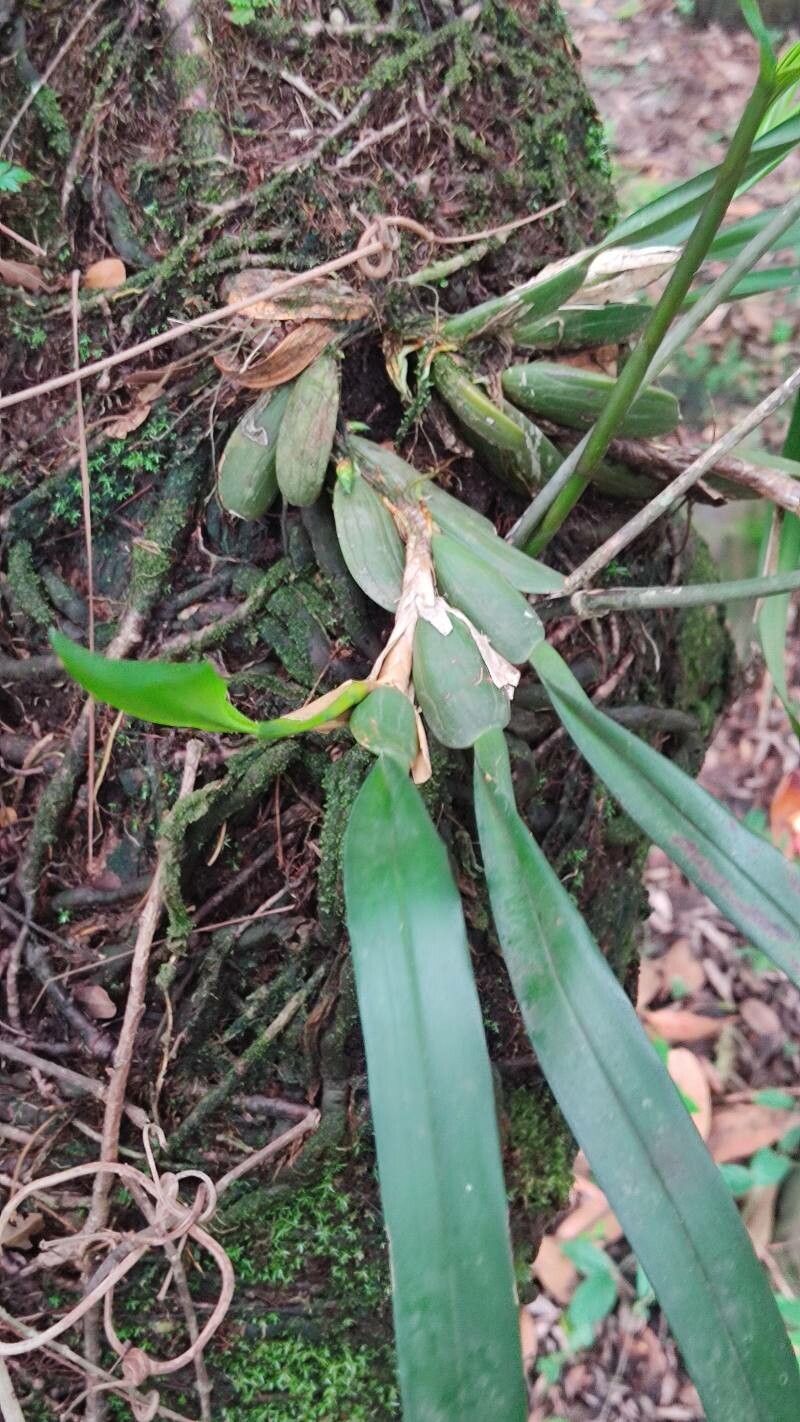
Oh, there’s nothing quite like the cheerful glow of a blooming Maxillaria lutescens! Those gorgeous, canary-yellow flowers really do brighten any corner, don’t they? And the best part? You can have even more of these sunny beauties without spending a fortune. Propagating them feels like unlocking a little gardening magic, and honestly, it’s a wonderfully rewarding journey. Now, for the big question: is it easy? If you’ve got a little patience and follow a few simple rules, I think you’ll find Maxillaria lutescens to be quite forgiving. Let’s get our hands dirty!
The Best Time to Start
Timing is key in the garden, and for Maxillaria lutescens, you’ll have the most success when you catch it at the peak of its growth cycle. This usually means after it’s finished blooming or as it’s actively putting on new pseudobulbs. Think spring and early summer. This is when the plant has the most energy stored up, making it more robust and ready to produce new roots. Avoid trying to propagate when the plant is stressed, like during extreme heat or when it’s dormant.
Supplies You’ll Need
Gathering your tools beforehand makes the whole process smoother. Here’s what I usually have on hand:
- Sharp, clean pruning shears or a sharp knife: Sterilize them with rubbing alcohol to prevent disease.
- Well-draining orchid mix: A good blend for Maxillaria often includes bark, perlite, and charcoal. You want something airy!
- Small pots or containers: Clean, with drainage holes, of course. Seedling trays are also great.
- Hormone rooting powder (optional but helpful): This gives a little extra boost.
- A spray bottle: For misting.
- A humidity dome or clear plastic bag: To create a mini-greenhouse effect.
- Trowel or dibber: For gently firming the mix.
Propagation Methods
For Maxillaria lutescens, division is by far the most common and successful method. It’s like giving your established plant a little haircut and creating brand new buddies!
Here’s how I do it:
- Gently remove the plant from its pot. If it’s stuck, you might need to carefully run a knife around the edge of the pot.
- Inspect the root ball. Look for divisions that have at least two or three healthy pseudobulbs and a good amount of attached roots.
- Carefully separate the divisions. You can often do this by hand, gently teasing the roots apart. If they’re really tangled, use your clean pruning shears or knife to make a clean cut. Make sure each division has at least one viable shoot (new growth point) and some roots.
- Trim away any dead or damaged roots or leaves. This helps the new division focus its energy on growing.
- Pot each division into its own small pot using your well-draining orchid mix. The base of the pseudobulbs should be just at the surface of the mix.
- Water lightly. Don’t drench the plant. You want the mix to be moist, not soggy.
- Place in a bright, indirect light location. Avoid direct sun, which can scorch the new divisions.
The “Secret Sauce” (Pro Tips)
Over the years, I’ve learned a few little tricks that can make all the difference. Think of these as whispered secrets from my orchid friends!
- Don’t be afraid of a little airflow! While new divisions appreciate humidity, they don’t like sitting in stagnant, damp conditions. If you’re using a plastic bag or dome, open it up for an hour or two each day to allow for air circulation. This helps prevent fungal issues.
- Bottom heat is a game-changer. If you have a seedling heat mat, placing your newly potted divisions on it can really encourage root development. Just make sure the temperature isn’t too high – lukewarm is perfect.
- Patience is your best friend. Seriously. Don’t expect miracles overnight. It can take weeks, sometimes even a couple of months, for new root growth to really take off. Resist the urge to constantly dig them up to check!
Aftercare & Troubleshooting
Once your Maxillaria lutescens divisions are potted, treat them gently. Keep the medium consistently moist but never waterlogged. Mist the leaves regularly, especially if you don’t have a lot of ambient humidity.
What if things look a bit off?
- Mushy, brown pseudobulbs or stems are a classic sign of rot. This usually means too much moisture and not enough air. Pull the division out, trim away all the rot with a clean knife, and repot in fresh, dry mix. You might need to let it dry out a bit more before resuming watering.
- Wilting leaves can indicate underwatering or that the new roots haven’t established yet. Make sure the mix is slightly moist and consider increasing misting.
- No new growth after a long time? Don’t panic! Sometimes they are just settling in. Ensure they have bright, indirect light and are being watered appropriately.
A Encouraging Closing
Getting more Maxillaria lutescens plants is a journey filled with learning and the immense satisfaction of nurturing life. Be patient with your new little ones, offer them a little extra TLC, and observe them closely. Before you know it, you’ll have a cluster of these sunny beauties gracing your home. Happy growing, my friends!
Resource:
https://identify.plantnet.org/k-world-flora/species/Maxillaria%20lutescens%20Scheidw./data