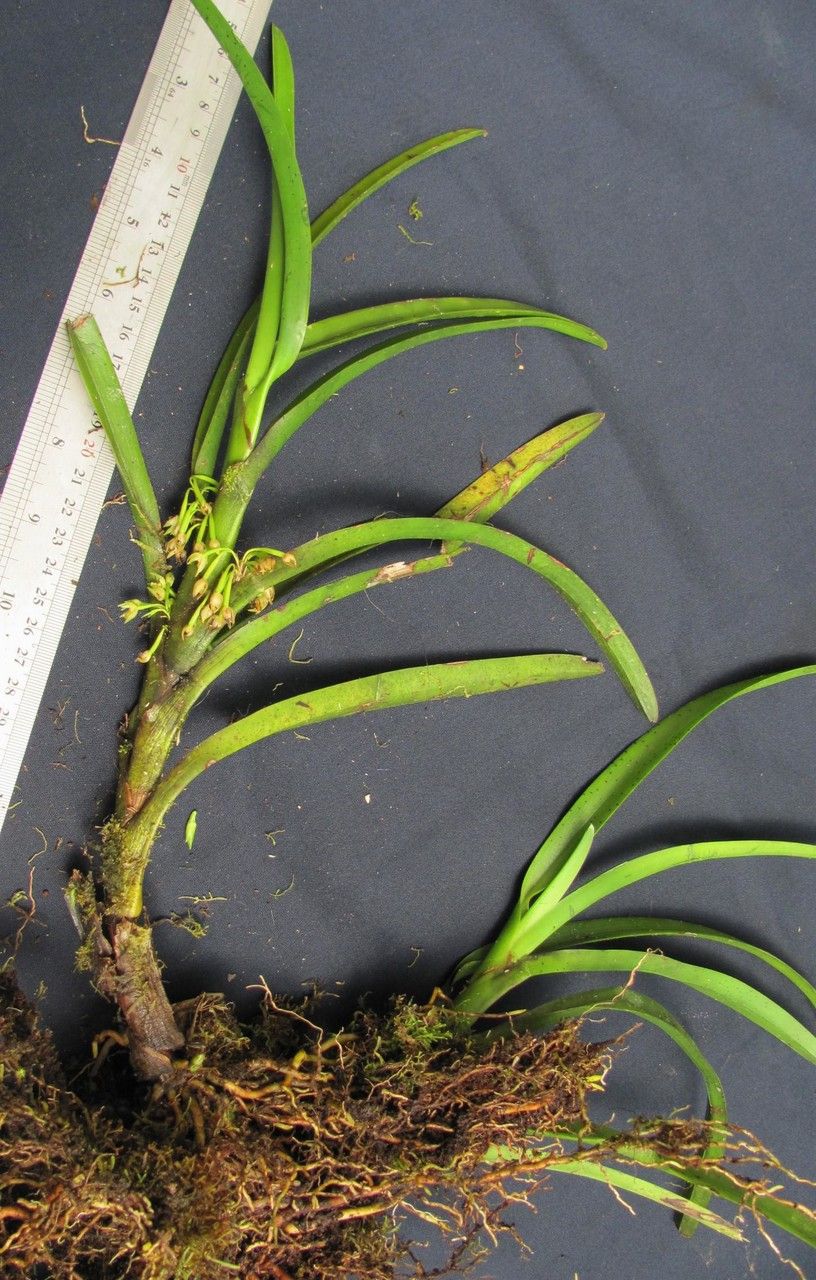
Oh, hello there, fellow plant enthusiast! It’s so good to connect with you today. I’ve been spending the last two decades with my hands in the soil, coaxing all sorts of green wonders to life. Today, I want to talk about a real gem: Maxillaria conduplicata.
If you’re drawn to orchids that offer a bit of drama and a delightful, often spicy fragrance, then Maxillaria conduplicata is for you. Its leathery, pleated leaves have a unique charm that sets it apart from many of its more delicate cousins. And the reward? Watching a tiny division or cutting grow into a flourishing specimen is truly a gardener’s joy. Now, is it the easiest orchid for a complete beginner? I’d say it’s moderately achievable, especially if you’re willing to get a little hands-on. But don’t let that deter you – with a little care and attention, you’ll be successful.
The Best Time to Start
For Maxillaria conduplicata, spring or early summer is your golden window. This is when the plant is actively growing after its resting period. You’ll see new shoots, called pseudobulbs, starting to form, which means it has the energy reserves to dedicate to establishing new roots. Trying to propagate when the plant is dormant or stressed is just setting yourself up for disappointment. So, watch for that burst of new growth!
Supplies You’ll Need
Before we get our hands dirty, let’s gather our tools. Having everything ready makes the process so much smoother.
- Sharp, sterilized pruning shears or a clean knife: This is crucial for making clean cuts and preventing disease.
- Orchid potting mix: A coarse bark-based mix that drains exceptionally well is ideal.
- New pots or planting containers: Small, well-draining pots are perfect for divisions or cuttings.
- Optional: Rooting hormone: While not always strictly necessary for Maxillaria, it can give your cuttings an extra boost.
- Optional: Sphagnum moss: Can be helpful for retaining some moisture around cuttings.
- Labels and waterproof marker: Don’t forget to label your new babies!
Propagation Methods
The most reliable way to multiply your Maxillaria conduplicata is through division. This is essentially splitting a mature plant into smaller, independent plants.
Division Method – Step-by-Step:
- Gently remove the plant from its pot. If it’s really snug, you might need to gently squeeze the sides of the pot or carefully run a knife around the edge.
- Clean off the old potting medium. You want to be able to see the rhizomes (the woody stems that connect the pseudobulbs) clearly. A good rinse under water can help.
- Identify natural divisions. Look for sections with at least two or three healthy pseudobulbs and some roots. You’ll often see where the rhizome naturally wants to separate.
- Using your sterilized shears or knife, carefully cut through the rhizome. Make a clean cut to separate the division from the mother plant. Ensure each new division has adequate roots.
- Trim away any dead or mushy roots.
- Pot up your new divisions. Place them in small pots filled with fresh, well-draining orchid mix. Make sure the new pseudobulbs are sitting just at the surface of the mix. Water lightly.
The “Secret Sauce” (Pro Tips)
Here are a couple of little tricks I’ve picked up over the years that really make a difference.
- Don’t be afraid of a good soak, but then let it dry: When you pot up divisions, give them a good watering to settle the potting medium. However, Maxillaria conduplicata dislikes constantly wet feet. Let the potting medium almost dry out completely between waterings in the weeks following division. This encourages root growth rather than rot.
- A little humidity goes a long way: New divisions don’t have a fully established root system to draw moisture from the air. Placing your potted divisions in a humid environment – like a small propagation box or even just a grouping with other plants – can significantly reduce stress and encourage faster establishment.
Aftercare & Troubleshooting
Once your division has settled in, the real work begins: patience! Keep it in bright, indirect light. Avoid direct sun, which can scorch those new leaves. Water when the potting mix is nearly dry, which might be every 7-10 days, depending on your conditions.
The most common sign of trouble is rot, often appearing as mushy, black pseudobulbs or leaves. This is usually caused by overwatering. If you see this, gently remove the affected parts with your sterilized tools and allow the remaining plant to dry out. If the whole division turns black and mushy, sadly, it’s time to compost it and try again.
A Encouraging Closing
Growing plants is always a journey, and propagation is like creating a little bit of magic. Don’t be discouraged if your first attempt isn’t perfect. Every gardener has their stories of plants that didn’t make it. The most important thing is to keep learning and keep trying. Enjoy the process, celebrate those tiny new roots, and soon you’ll have a whole collection of your beautiful Maxillaria conduplicata to enjoy. Happy growing!
Resource: