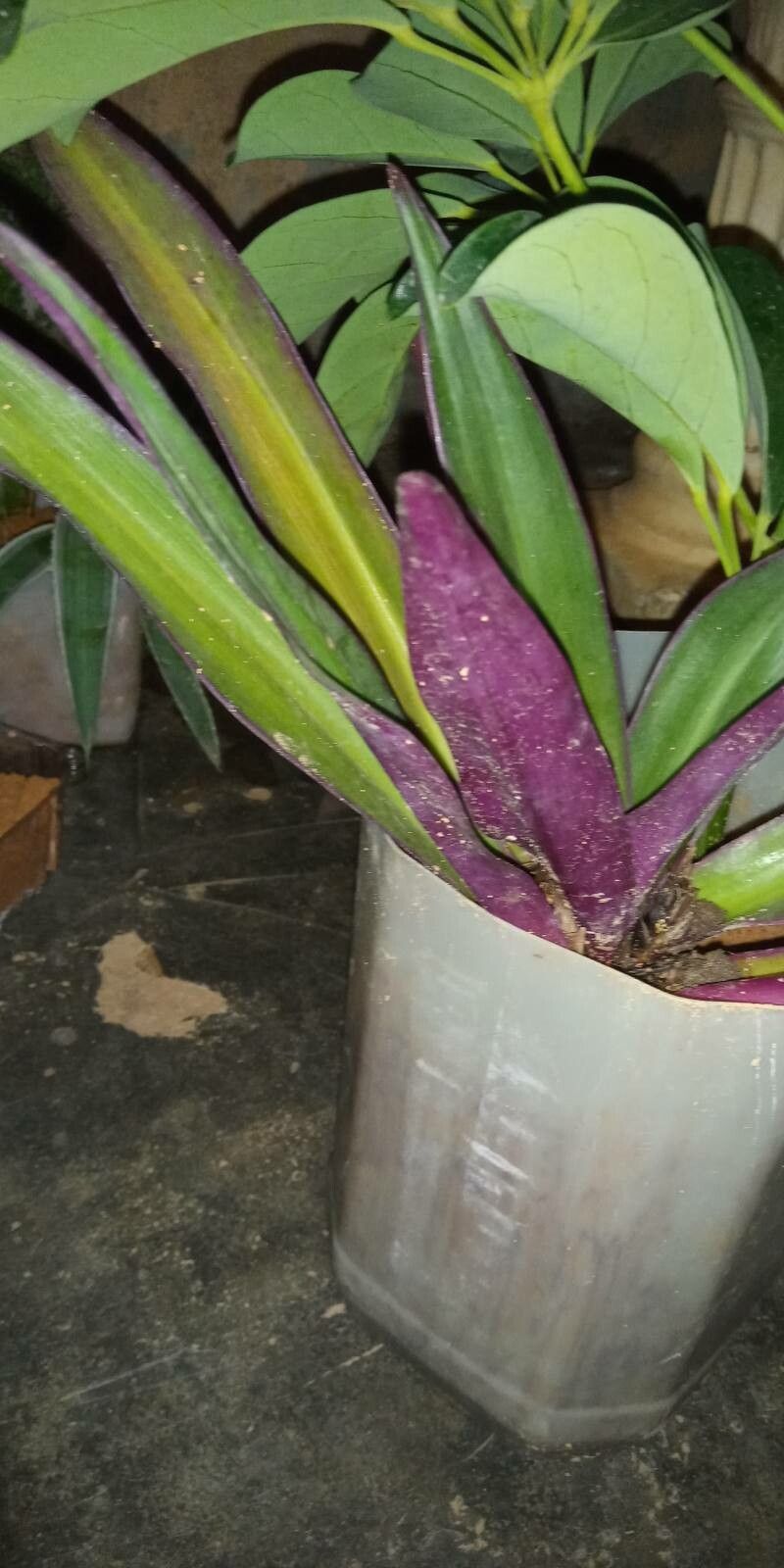
Hello there, fellow plant enthusiasts! Today, we’re diving into the delightful world of Maxillaria brachybulbon, a charming little orchid that really brings a smile to my face. Its compact size and sweet, often fragrant blooms make it a wonderful addition to any windowsill or terrarium. And the best part? Propagating these beauties is a truly rewarding endeavor, offering a chance to multiply your joy and share the love with other orchid lovers. Now, is it easy for a complete beginner to jump into? I’d say it’s moderately easy, especially if you’re willing to be a little patient and pay close attention.
The Best Time to Start
Timing is everything with plants, right? For Maxillaria brachybulbon, the sweet spot for propagation is generally in the spring or early summer. This is when the plant is actively growing, putting out new shoots and generally feeling robust and ready to reproduce. You can try it at other times, of course, but you’ll likely see the best results when this orchid is in its prime growth phase. Watch for new pseudobulbs forming – that’s a good sign your plant is happy and ready for a little division.
Supplies You’ll Need
To give your propagation efforts the best chance of success, gather these essentials:
- Sharp Pruning Shears or a Clean Knife: Sterilize them with rubbing alcohol before you begin to prevent any nasty infections.
- Sterilized Orchid Potting Mix: A good mix usually includes bark, perlite, and charcoal. You want something that drains exceptionally well.
- New Pots or Containers: Small ones are perfect for new divisions. Even clean yogurt containers with drainage holes work in a pinch!
- Rooting Hormone (Optional but Recommended): A dab can give your cuttings a little boost.
- Spray Bottle: For maintaining humidity.
- Labels and a Waterproof Marker: So you don’t forget what you’ve propagated!
Propagation Methods
The most common and effective way to propagate Maxillaria brachybulbon is through division. These orchids tend to form clumps of pseudobulbs (those swollen, bulb-like structures), and you can carefully separate these into smaller, self-sufficient sections.
Here’s how to do it:
- Gently Remove from Pot: Carefully take your Maxillaria brachybulbon out of its current pot. If it’s stuck, a little gentle teasing around the edges with your knife can help.
- Inspect the Roots: Gently clean away some of the old potting mix so you can see the rhizome (the creeping stem that connects the pseudobulbs) and the roots.
- Identify Division Points: Look for natural breaks in the rhizome where you can cleanly separate sections. Ideally, each new division should have at least two to three healthy pseudobulbs and a good portion of healthy roots attached.
- Make the Cut: Using your sterilized shears or knife, make a clean cut through the rhizome. Be decisive and aim for a single, clean cut to minimize damage.
- Prepare the Divisions: If any of the roots look mushy or dead, trim them off. If you’re using rooting hormone, lightly dust the cut surface where you separated the sections.
- Pot Them Up: Plant each division into its own small pot filled with your sterilized orchid potting mix. Ensure the rhizome is at or slightly above the surface of the mix. Don’t pack the mix too tightly.
- Initial Watering: Water your new divisions gently but thoroughly. You want the potting medium to be evenly moist, but not waterlogged.
The “Secret Sauce” (Pro Tips)
Now, for a few things I’ve learned over the years that make a real difference:
- Don’t Drown Your Roots: When you water your divided plants, resist the urge to soak them completely for extended periods. Maxillaria brachybulbon hates sitting in soggy conditions, especially when it’s trying to recover from division. Aim for moist, but not wet.
- The Power of Humidity: New divisions need a bit of extra encouragement to develop roots. Placing the pots in a clear plastic bag (with air holes!) or a small propagation box can create a humid environment that really helps them settle in. Just make sure to open it up for a bit of air circulation every day or two.
- Patience is Key with the Rhizome: Sometimes, the rhizome will look a little bare on a division. Don’t despair! As long as there are healthy pseudobulbs, it can often sprout new roots and shoots from dormant buds along the rhizome. Just keep it in its humid environment and offer gentle care.
Aftercare & Troubleshooting
Once your divisions are potted, keep them in a spot with bright, indirect light. Avoid direct sun, which can scorch delicate new growths. Keep the humidity up, as we discussed. You’ll start to see new growth appearing in a few weeks to a couple of months.
The main thing to watch out for is rot. If a pseudobulb starts to look shriveled and black, or if the potting mix stays perpetually wet and smells sour, you might be overwatering or have inadequate drainage. If you see this, gently remove the affected division, trim away any rotted parts with your sterilized tool, and repot it in fresh, dry mix. Give it a few days before watering again.
A Warm Encouraging Closing
Propagating your Maxillaria brachybulbon is such a rewarding journey. It’s a chance to connect more deeply with your plant and witness the magic of new life unfolding. Don’t be discouraged if your first attempt isn’t perfect; gardening is all about learning and adapting. Embrace the process, be patient with your new little orchids, and soon you’ll have even more of these charming blooms to enjoy! Happy growing!
Resource:
https://identify.plantnet.org/k-world-flora/species/Maxillaria%20brachybulbon%20Schltr./data