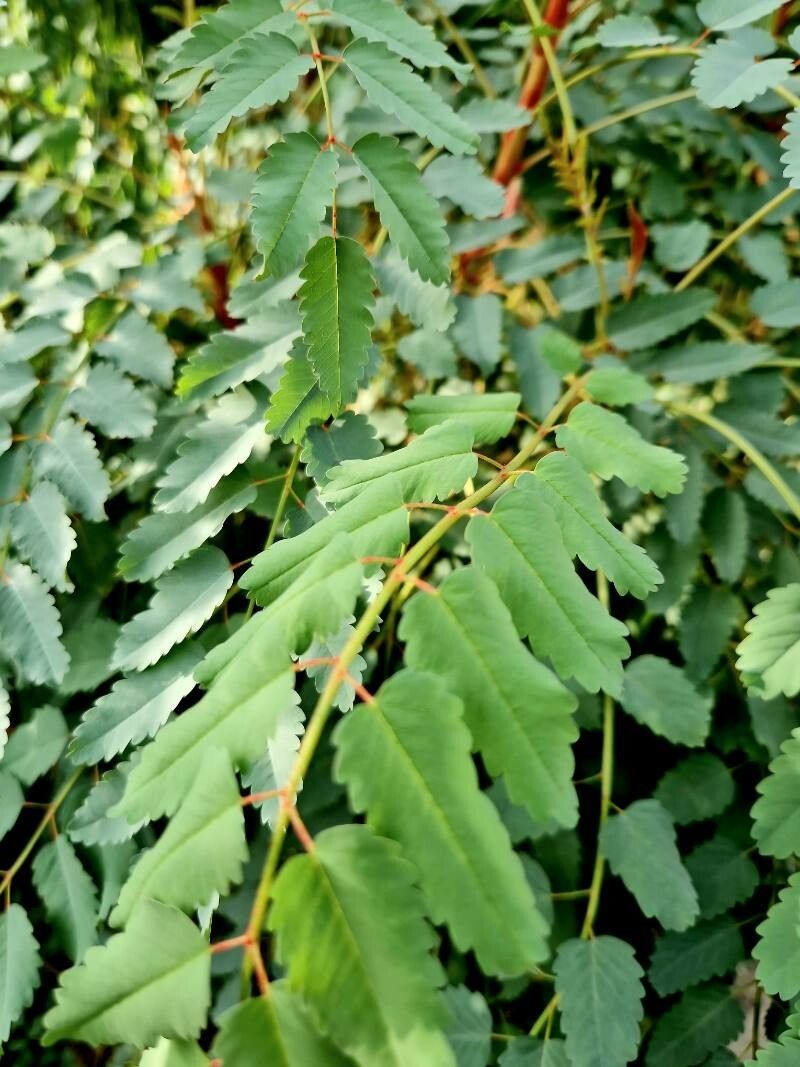
Oh, the joy of multiplying your favorite plants! If you’ve ever admired the unique charm of Marcetella moquiniana, a plant often overlooked but truly special, you’re in for a treat. Its delicate, often silvery foliage and intriguing growth habit make it a lovely addition to any collection. And the best part? Learning to propagate it yourself is incredibly rewarding. Now, for the good news: Marcetella moquiniana is a wonderfully well-behaved plant when it comes to propagation, making it a fantastic choice, even if you’re just starting your plant journey.
The Best Time to Start
For the highest chance of success with Marcetella moquiniana, I always recommend starting in late spring or early summer. This is when the plant is actively growing and has plenty of energy. You’re looking for healthy, semi-hardwood cuttings – not too soft and floppy, but not tough and woody either. Think of a pencil that’s been out of the rain for a few hours.
Supplies You’ll Need
Gathering your supplies beforehand makes the whole process smoother. Here’s what I usually have on hand:
- Sharp Pruning Shears or a Clean Knife: For making clean cuts.
- Potting Mix: A well-draining mix is crucial. I often use a blend of equal parts perlite and a good quality potting soil, or a specific succulent/cacti mix.
- Small Pots or Trays: With drainage holes, naturally!
- Rooting Hormone (Optional but Recommended): This little helper can significantly speed up root formation.
- Watering Can or Spray Bottle: For gentle watering.
- Plastic Bag or Propagator (Optional): To maintain humidity.
- Labels: Because trust me, you’ll forget what you planted and where!
Propagation Methods
Marcetella moquiniana is quite amenable, and I’ve had the best luck with stem cuttings. It’s straightforward and very effective.
- Take Your Cuttings: With your clean shears, select a healthy stem. Make a cut just below a leaf node (where a leaf attaches to the stem). You want cuttings that are about 4-6 inches long. Remove the lower leaves, leaving yourself a clear stem to plant. You can trim larger leaves in half if they seem a bit too much for the cutting to support.
- Prepare the Cutting: If you’re using rooting hormone, dip the cut end into the powder or gel, tapping off any excess. This creates a thin coating.
- Plant Your Cuttings: Fill your small pots with your chosen well-draining potting mix. Make a small hole in the center of the soil with your finger or a pencil. Insert the prepared cutting into the hole, ensuring the leaf nodes you removed are below the soil surface. Gently firm the soil around the base of the cutting.
- Water Gently: Water the soil lightly so it’s evenly moist but not soggy.
The “Secret Sauce” (Pro Tips)
These little tricks have always bumped up my success rate when propagating trickier plants, and they work wonders for Marcetella moquiniana.
- The “Callousing” Trick: After you take your cuttings, I like to let them sit out in a dry spot for a day or two. This allows the cut end to form a bit of a callous. It helps prevent rot when you plant them, giving them a clean start.
- Don’t Overcrowd: While it’s tempting to stick a dozen cuttings in one pot, give each cutting its own space. This allows for better air circulation around each one, reducing the risk of fungal issues.
- Bottom Heat is Your Friend: If you have a propagation mat or can place your pots on a warm windowsill (but not in direct, scorching sun), gentle bottom heat is a game-changer. It encourages root development from below, accelerating the rooting process.
Aftercare & Troubleshooting
Once your cuttings are planted, place them in a bright spot with indirect light. Avoid direct, harsh sun, which can scorch them. I like to mist the leaves lightly every few days, especially if I’m not using a plastic bag to create a mini-greenhouse effect.
You’ll know your cutting has rooted when you see new growth happening, or if you gently tug on the cutting and feel resistance. This usually takes anywhere from a few weeks to a couple of months. Once roots are established, you can slowly acclimate it to slightly less humid conditions and begin watering a little more thoroughly, allowing the soil to dry out slightly between waterings.
The most common issue you might encounter is rot. If your cutting looks mushy, dark, or just generally sad and wilting, it’s likely too wet. Unfortunately, once rot sets in, it’s hard to save. That’s why that well-draining soil and careful watering are so important! If you do see a bit of rot, you can try to take a fresh cutting from a healthy part of the stem and start anew.
A Little Patience Goes a Long Way
Propagating Marcetella moquiniana isn’t a race. It’s a journey of patience and observation. Watch your cuttings, feel the soil, and celebrate those tiny signs of new life. There’s immense satisfaction in nurturing a new plant from just a tiny piece of its parent. So grab your shears, get your hands in the soil, and enjoy the magic of growth!
Resource: