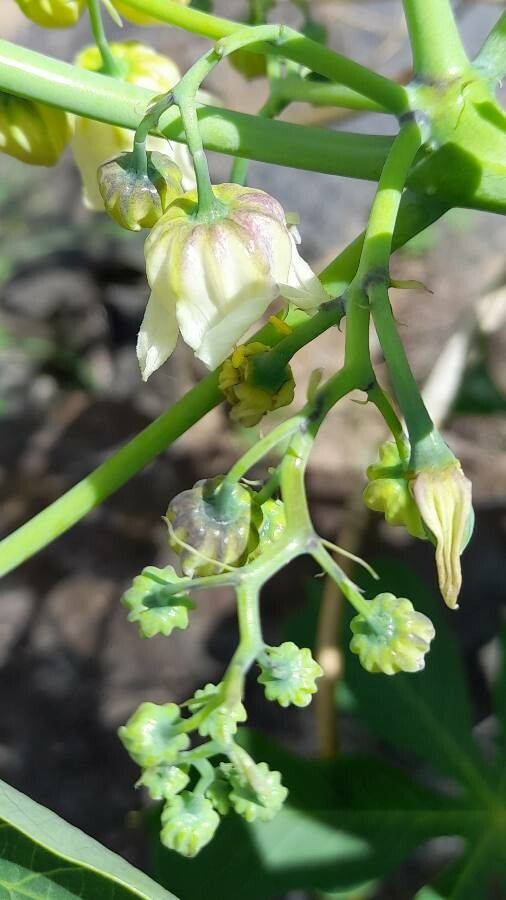
Oh, hello there! So glad you stopped by my little corner of the internet. Today, we’re diving into the wonderful world of Manihot anisophylla, also known affectionately by some as the variegated cassava or wild tapioca. If you’re looking for a plant that brings a touch of the tropics with its beautiful, often variegated foliage, you’ve come to the right place. It’s a real showstopper, and the joy of growing one from a tiny cutting is just incredibly rewarding. Don’t worry if you’re new to propagation; while Manihot anisophylla isn’t the absolute easiest plant to start from scratch, it’s certainly manageable and well worth the effort. Think of it as a lovely challenge that teaches you a thing or two along the way.
The Best Time to Start
For the highest chance of success with Manihot anisophylla, you’ll want to get your propagation efforts underway when the plant is actively growing. This typically means late spring or early summer. The longer, warmer days provide the energy the plant needs to heal from taking cuttings and to put out new roots. You can sometimes get away with it in early fall in warmer climates, but spring is generally your golden ticket.
Supplies You’ll Need
Gathering your supplies beforehand makes the process so much smoother. Here’s what I find essential:
- Sharp, clean pruning shears or a sharp knife: For making clean cuts.
- Rooting hormone (optional but recommended): A powder or gel that helps stimulate root development.
- Well-draining potting mix: A blend of perlite, vermiculite, and peat moss is excellent. You can also use a cactus or succulent mix.
- Small pots or propagation trays: Clean and with drainage holes.
- Plastic bag or propagation dome: To create a humid environment.
- Water: For watering and (if using) water propagation.
- Identification tags: So you don’t forget what you’ve propagated!
Propagation Methods
I’ve found that stem cuttings are the most reliable way to get new Manihot anisophylla plants going.
Stem Cuttings
- Select healthy stems: Look for non-flowering stems that are at least pencil-thick and have new growth.
- Make the cut: Using your sharp shears, take cuttings that are about 4-6 inches long. Make your cut right below a leaf node (where a leaf attaches to the stem).
- Prepare the cutting: Remove the lower leaves, leaving just a couple at the very top. This is important because any leaves submerged in soil or water will likely rot. If your cuttings are particularly large-leaved, you can even cut the remaining leaves in half to reduce water loss.
- Apply rooting hormone (optional): Dip the cut end of the stem into rooting hormone, tapping off any excess.
- Plant your cutting: Insert the cut end about 1-2 inches deep into your prepared, moistened potting mix. Make sure the soil is firm around the stem.
- Create humidity: Water gently and then cover the pot with a plastic bag or place it in a propagation dome. This high humidity is crucial for preventing the cutting from drying out before it roots.
- Place in bright, indirect light: Avoid direct sunlight, which can scorch the fragile cuttings.
Water Propagation (An Alternative)
While I prefer soil for Manihot anisophylla, you can try water propagation if you’re patient.
- Prepare cuttings as above, removing lower leaves.
- Place cuttings in a clean jar or vase of water. Make sure no leaves are touching the water.
- Change the water every few days.
- Watch for roots! Once you see a decent root system developing (about an inch or so), you can carefully transplant them into potting mix. This step can be a bit tricky, as the roots are delicate.
The “Secret Sauce” (Pro Tips)
Here are a few things I’ve learned that really make a difference:
- The warmth is key: Manihot anisophylla loves warmth when rooting. If your house is on the cooler side, consider using a heating mat placed underneath your pots or trays. This gentle bottom heat can significantly speed up root development.
- Don’t drown it: While humidity is vital, overwatering is the quickest way to kill a cutting. The soil should be consistently moist, but not soggy. You should run your finger through the soil and feel a good amount of moisture, but no water should be pooling at the bottom.
- Patience with the leaves: If you’re water propagating, do not let those leaves dip into the water. They will rot faster than you can say “fresh cutting,” and that rot can spread down to the stem, jeopardizing your rooting efforts.
Aftercare & Troubleshooting
Once your cuttings have developed a good root system (you can gently tug on them, and they should feel secure), it’s time to treat them like tiny, independent plants.
- Gradually acclimate: If you’ve used a humidity dome or plastic bag, slowly remove it over a week to let the new plant adjust to normal room humidity.
- Regular watering: Water when the top inch of soil feels dry.
- Light: Continue to provide bright, indirect light.
- Troubleshooting: The most common issue you’ll face is rot. If your cutting looks mushy or black at the base, it’s likely too wet and has succumbed to fungal issues. Sometimes you can salvage it by cleaning it up and trying again with less water. If the leaves start to wilt and turn yellow, it might be getting too much direct sun or not enough water.
Happy Propagating!
Growing new plants is such a satisfying part of gardening. It connects us to the cycle of life, and there’s a special pride in nurturing something from a small piece into a thriving specimen. Don’t be discouraged if your first few attempts aren’t perfect. Every gardener has had their share of experiments that didn’t quite pan out. Just keep trying, enjoy the process of learning, and before you know it, you’ll be sharing your own Manihot anisophylla babies with friends. Happy growing!
Resource: