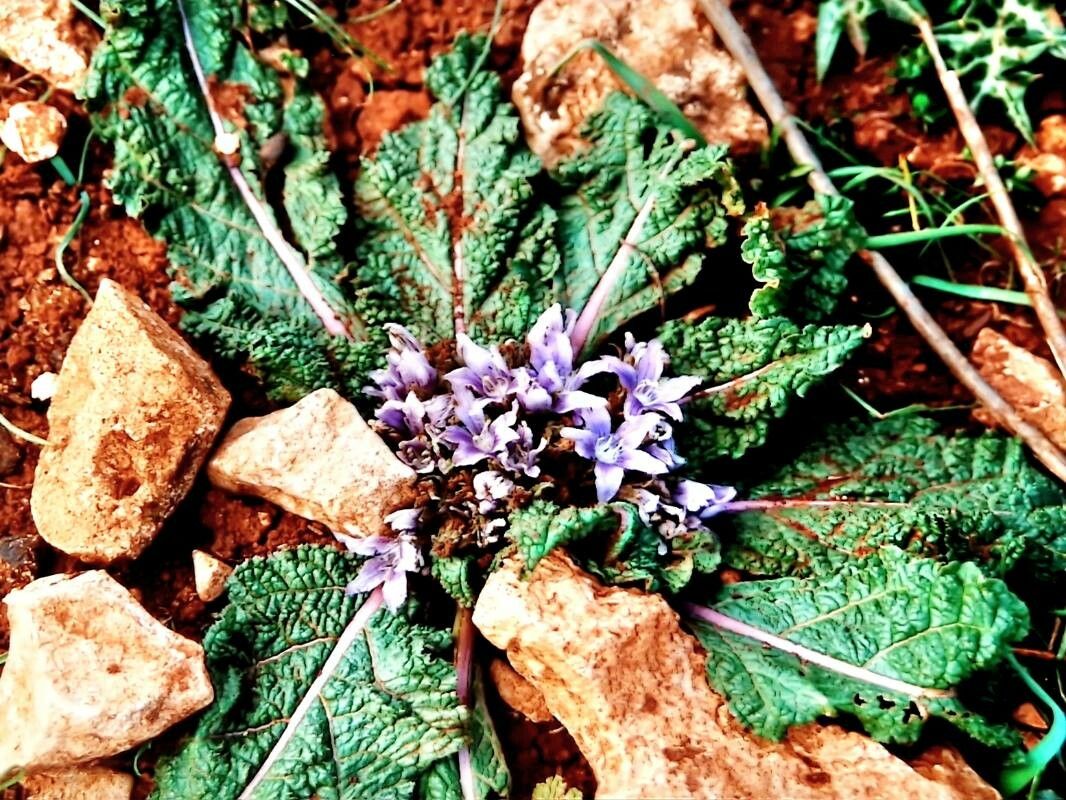
Hello, fellow plant enthusiasts! I’m so glad you’ve stopped by. Today, we’re diving into a plant that sparks a certain kind of magic in the garden: Mandragora officinarum, the true Mandrake. Its gnarled roots and fascinating history have captivated gardeners and herbalists for centuries. While it might not be as common as a begonia, coaxing a new Mandrake from an existing plant is a deeply satisfying endeavor. Now, I’ll be honest, this isn’t the easiest plant for a complete beginner to propagate, but with a little patience and careful attention, it’s absolutely achievable.
The Best Time to Start
The sweet spot for propagating Mandrake is during its dormant season. Think late fall or very early spring, before the plant really kicks into gear for the growing season. This is when the plant’s energy is stored in its roots, making it more receptive to division and less stressed by the process.
Supplies You’ll Need
Here’s what you’ll want to have on hand before you get started:
- Sharp, clean pruning shears or a sturdy knife: Sterilize them with rubbing alcohol to prevent disease.
- Well-draining potting mix: I like a blend of about 50% compost and 50% perlite or coarse sand. Mandrakes hate soggy feet!
- Small pots or trays: Enough to house your new divisions.
- Rooting hormone (optional but recommended): A powder or gel can give your cuttings an extra boost.
- Gloves: Mandrake can be irritating to some skin, so it’s wise to protect yourself.
- Watering can or spray bottle: For gentle watering.
Propagation Methods
Mandrake is best propagated through division. This is essentially splitting an existing, mature plant into smaller sections, each with its own root system and potential to grow.
- Gently Excavate: The first step is to carefully unearth your mature Mandrake. Try to dig around the plant, loosening the soil and lifting it out with as much of its root ball intact as possible. Be very mindful of the fleshy, often thick roots.
- Inspect and Divide: Once the plant is out of the ground, gently brush away excess soil. Look for natural divisions in the root system. You’re looking for sections that already have at least one healthy root and a bit of a crown where leaves emerge.
- Make the Cut: Using your sharp, sterilized shears or knife, carefully separate the divisions. Make a clean cut. If you’re using rooting hormone, dip the cut surface of each division into the powder or gel.
- Pot Up: Plant each division in its own pot filled with your well-draining potting mix. Make sure the crown, where the leaves emerge, is just at the soil surface. Water gently.
The “Secret Sauce” (Pro Tips)
- Think Like a Root: When you’re dividing, don’t be afraid to disturb the roots a little, but also try to preserve as much of the existing root system on each division as possible. These established roots are your new plant’s lifeline.
- Patience is Key with the Roots: Mandrake roots can be quite sensitive. Once potted, resist the urge to check them constantly. Let them settle in.
- Provide a Humid Hug: Newly divided plants, especially those without a huge established root system yet, benefit from consistent, but not excessive, moisture and a slightly humid environment. You can achieve this by placing a clear plastic bag loosely over the pot or grouping them in a slightly shaded, sheltered spot.
Aftercare & Troubleshooting
Once your divisions are potted, keep the soil lightly moist, not wet. You want it to feel like a wrung-out sponge. Place them in a spot with bright, indirect light. Avoid direct sun, which can scorch delicate new growth.
The most common issue you might encounter is rot. If you see mushy, dark roots or a wilting that doesn’t recover with light watering, it’s a sign the division is too wet. Unfortunately, once rot sets in, it’s very difficult to save. This is why that well-draining mix and careful watering are so crucial. Another sign of trouble is complete lack of any new growth after several weeks. This could mean the division wasn’t viable or simply needs more time.
An Encouraging Closing
Propagating Mandrake is a journey, and like any good gardener knows, the most rewarding experiences often require a bit of patience. Take your time, enjoy the process of getting to know your plant up close, and celebrate each little success. Happy growing!
Resource:
https://identify.plantnet.org/k-world-flora/species/Mandragora%20officinarum%20L./data