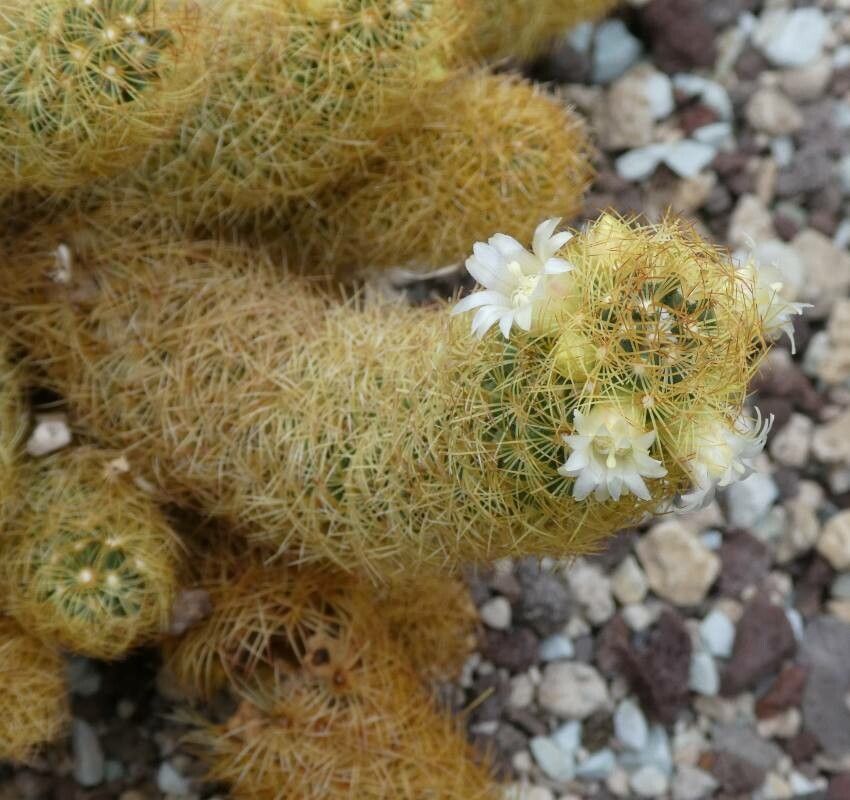
Oh, hello there! Come on in, grab a mug. I’m so glad you’re interested in propagating Mammillaria elongata. It’s one of those gems that just brings so much joy to a sunny windowsill, isn’t it? Those delicate little golden spines, the way they clump up so beautifully… it’s just a delight. And the best part? They’re surprisingly accommodating when it comes to making more of them. If you’re new to the plant world, this is a fantastic one to start with. You’ll feel like a gardening wizard in no time!
The Best Time to Start
For Mammillaria elongata, the real magic happens when it’s actively growing. Think late spring through summer. This is when the plant has plenty of energy to put into making roots. You’ll notice your plant is looking plump and happy, maybe even sporting some tiny new offsets. That’s your cue! Trying to propagate when the plant is dormant in winter will likely lead to disappointment.
Supplies You’ll Need
Here’s what you’ll want to have on hand before you get started. Don’t worry, it’s not a long list!
- Well-draining soil mix: A cactus or succulent mix is perfect. You can also make your own by combining potting soil with perlite or coarse sand.
- Sharp pruning shears or a clean knife: For making nice, clean cuts.
- Small pots or trays: For your new baby plants. Make sure they have drainage holes!
- Optional: Rooting hormone: I sometimes use it, sometimes I don’t. It can give things a little nudge, but Mammillaria elongata is pretty good at rooting on its own.
- Gloves: Those spines can be a bit prickly, especially if you’re digging around!
Propagation Methods
There are a couple of super simple ways to make more Mammillaria elongata. I usually go for the most straightforward approach!
1. Offsets (The Easiest Way!)
This is by far the simplest method for this particular cactus. Mammillaria elongata naturally produces little baby plants, called offsets, around its base.
- Gently remove the offset: Wait until an offset is a decent size – at least an inch tall is good. Carefully separate it from the mother plant. You can often gently twist or wiggle it off. If it’s a bit stubborn, use your clean knife or pruning shears to make a clean cut close to the base.
- Allow it to callous: This is crucial! Lay the removed offset on a dry paper towel or plate in a bright spot (but out of direct, intense sun) for 2-3 days. This allows the cut end to dry and form a protective callus. It prevents rot from setting in.
- Plant it: Once calloused, plant the offset about half an inch deep in your well-draining soil mix. You can place a few in the same pot if they’re small!
- Wait to water: Resist the urge to water immediately. Wait about a week after planting. This gives the offset a chance to settle in before introducing moisture.
2. Stem Cuttings (If You Need to Shape Up)
Sometimes, these cacti can get a little leggy, or you might want to propagate a taller section.
- Take a cutting: Using your sharp tool, cut off a healthy stem section. Aim for a piece that’s at least a couple of inches long.
- Callous it over: Just like with the offsets, you must let the cutting callous over. Place it in a dry, bright spot for 3-7 days, or until the cut end is completely dry and sealed. This step is non-negotiable for success!
- Plant the cutting: Once calloused, insert the cut end about an inch deep into your well-draining soil mix.
- Water sparingly: Again, wait about a week before watering.
The “Secret Sauce” (Pro Tips)
Okay, let me share a couple of things I’ve learned over the years that make a real difference.
- Don’t fiddle too much: Once you’ve planted your offset or cutting, try your best to leave it alone. Constantly poking and prodding to see if it has roots is the quickest way to disturb its delicate rooting process. Patience is your best friend here!
- Bottom heat is a bonus, not a must: While not entirely necessary for Mammillaria elongata, I’ve found that a little warmth from a seedling heat mat can really speed up root development, especially if your propagation happens outside of the peak summer months. Just aim for a gentle warmth, nothing scorching.
Aftercare & Troubleshooting
Once those little babies have rooted (you’ll know because they’ll start to look a bit plumper and might even produce tiny new growth), you can treat them much like a mature Mammillaria elongata.
- Watering: Water thoroughly when the soil is completely dry. In general, this means less is more, especially for young plants. Overwatering is the number one killer of baby cacti.
- Light: They love bright, indirect light. Direct morning sun is usually fine, but intense afternoon sun can scorch them.
- Troubleshooting: The main thing to watch out for is rot. If your offset or cutting looks mushy, dark, or smells funky, it’s likely rotted. This is usually due to too much moisture or not letting it callous properly. If you catch it early, you might be able to salvage a healthy part of the stem, let it callous again, and try an even drier spot.
See? It’s really not complicated at all. Take your time, enjoy the process of nurturing these new little life forms, and soon you’ll be surrounded by your own cheerful clump of Mammillaria elongata. Happy propagating!
Resource:
https://identify.plantnet.org/k-world-flora/species/Mammillaria%20elongata%20DC./data