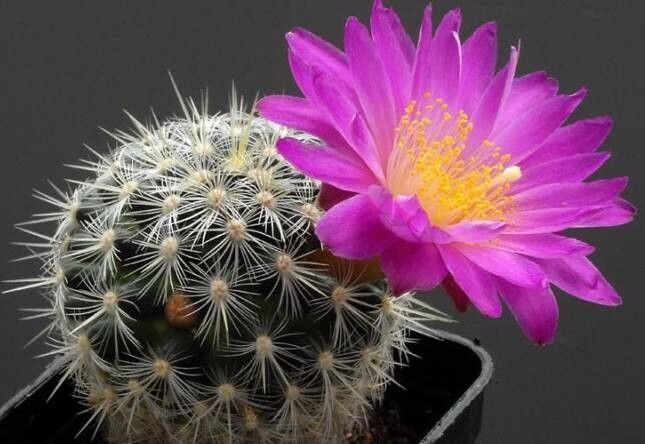
Oh, hello there, fellow plant lover! I’m so glad you’ve stopped by. Today, we’re going to dive into the wonderful world of propagating Mammillaria deherdtiana. If you’re a fan of those cute, globular cacti with their intricate flowering crowns, you’re in for a treat.
A Gem Worth Multiplying: Why Propagate Mammillaria deherdtiana?
Mammillaria deherdtiana is a real charmer. It’s known for its compact, starry form and the stunning ring of delicate, often pink or reddish flowers that emerge from its crown. Growing a new baby cactus from your beloved mama plant is incredibly rewarding. It’s a way to share the love, fill up more space in your collection, or even gift a little bit of green to friends. While it’s not the absolute easiest cactus for a complete beginner, with a little care and attention, propagating Mammillaria deherdtiana is definitely achievable.
The Best Time to Start
For the highest success rate, spring and early summer are your golden windows. This is when the plant is actively growing and has the energy to push out roots. You’ll want to wait until your Mammillaria deherdtiana has produced offsets, those little baby cacti that form at the base of the main plant. Or, if you’re looking to take a tip cutting, wait until the main stem has grown a bit longer.
Supplies You’ll Need
Gathering your tools beforehand makes the whole process much smoother. Here’s what I always have on hand:
- Specific Cactus/Succulent Potting Mix: A well-draining blend is crucial. You can buy one or make your own with equal parts potting soil, coarse sand, and perlite or pumice.
- Sharp, Clean Pruning Shears or a Knife: Sterilize them with rubbing alcohol before use to prevent disease.
- Rooting Hormone (Optional but Recommended for Cuttings): This encourages faster and stronger root development.
- Small Pots or Trays: Terracotta pots are excellent as they breathe well.
- Grit or Small Pebbles: For top dressing and to help keep the base of the cutting dry.
- Watering Can with a Fine Rose or Spray Bottle: For gentle watering.
- Labels and a Marker: To keep track of what you’ve propagated and when.
Propagation Methods: Let’s Get Our Hands Dirty!
Mammillaria deherdtiana is most successfully propagated through offsets and tip cuttings.
Method 1: Offsets (Pups)
This is often the easiest and most rewarding method.
- Locate the Offsets: Look for little baby cacti growing around the base of your mature plant.
- Gently Detach: With clean pruners or a sharp knife, carefully cut the offset away from the mother plant. Try to get a small bit of root attached if possible.
- Allow to Callus: This is SUPER important! Place the detached offset in a dry, well-ventilated spot out of direct sunlight for 3-5 days. You’ll see the cut end dry and form a callous. This prevents rot when you plant it.
- Potting Up: Fill a small pot with your cactus mix. Make a small hole in the center.
- Plant the Offset: Gently place the callused end of the offset into the hole. You can use grit or pebbles around the base to help support it.
- Wait to Water: Do not water immediately. Wait for about a week after planting. When you do water, do it sparingly.
Method 2: Tip Cuttings
This works when your Mammillaria deherdtiana has grown a bit taller and you want to take a top portion.
- Make the Cut: Again, using clean shears or a knife, make a clean cut about 1-2 inches down from the tip of a healthy growth.
- Callus Over: Just like with offsets, the cut end needs to dry out and form a callous. Place the cutting in a dry, airy spot for at least a week, maybe even two, until the cut is completely dry and sealed. Patience here is key!
- Consider Rooting Hormone: You can dip the callused end into rooting hormone if you’re using it. Tap off any excess.
- Planting: Fill a pot with your cactus mix. Make a small hole.
- Insert the Cutting: Gently insert the callused end of the cutting into the soil. You can support it with grit.
- The Waiting Game: Again, do not water for a week or two after planting.
The “Secret Sauce”: Pro Tips from My Garden to Yours
- Cleanliness is King: I cannot stress this enough. Always use clean tools and clean pots. A stray bit of fungus can be deadly to a new cutting. If in doubt, sterilize again!
- Bottom Heat is Your Friend (for Cuttings): If you’re struggling with root development, especially during cooler propagation times, using a propagation mat can make a huge difference. It provides gentle warmth that encourages roots to form much faster.
- Don’t Overwater, Ever: This is the golden rule for all cacti, but especially for babies. They are far more susceptible to rot than established plants. Err on the side of too dry rather than too wet.
Aftercare & Troubleshooting
Once you see signs of new growth or feel resistance when you gently tug on your cutting (indicating roots have formed), you can start watering more regularly, but still sparingly. Water when the soil is completely dry.
The most common issue you’ll face is rot. If your cutting or offset starts to look mushy, discolored, or just plain sad, it’s likely rot. Unfortunately, once rot sets in, it’s very difficult to save. Prevention is key with proper callusing and careful watering. If you catch it very early, you might be able to cut away the rotten part and let the healthy section callus again, but it’s a long shot. Another sign of failure is if the cutting simply shrivels up and dies without any sign of rooting – this can happen if it’s too dry or it just didn’t get lucky.
A Little Patience Goes a Long Way
Propagating Mammillaria deherdtiana is a journey, not a race. Enjoy the process of nurturing these little ones. They might take their sweet time to root, but when they do, it’s incredibly satisfying. Be patient, be observant, and soon you’ll have a whole little family of these beautiful cacti! Happy propagating!
Resource:
https://identify.plantnet.org/k-world-flora/species/Mammillaria%20deherdtiana%20Farwig/data