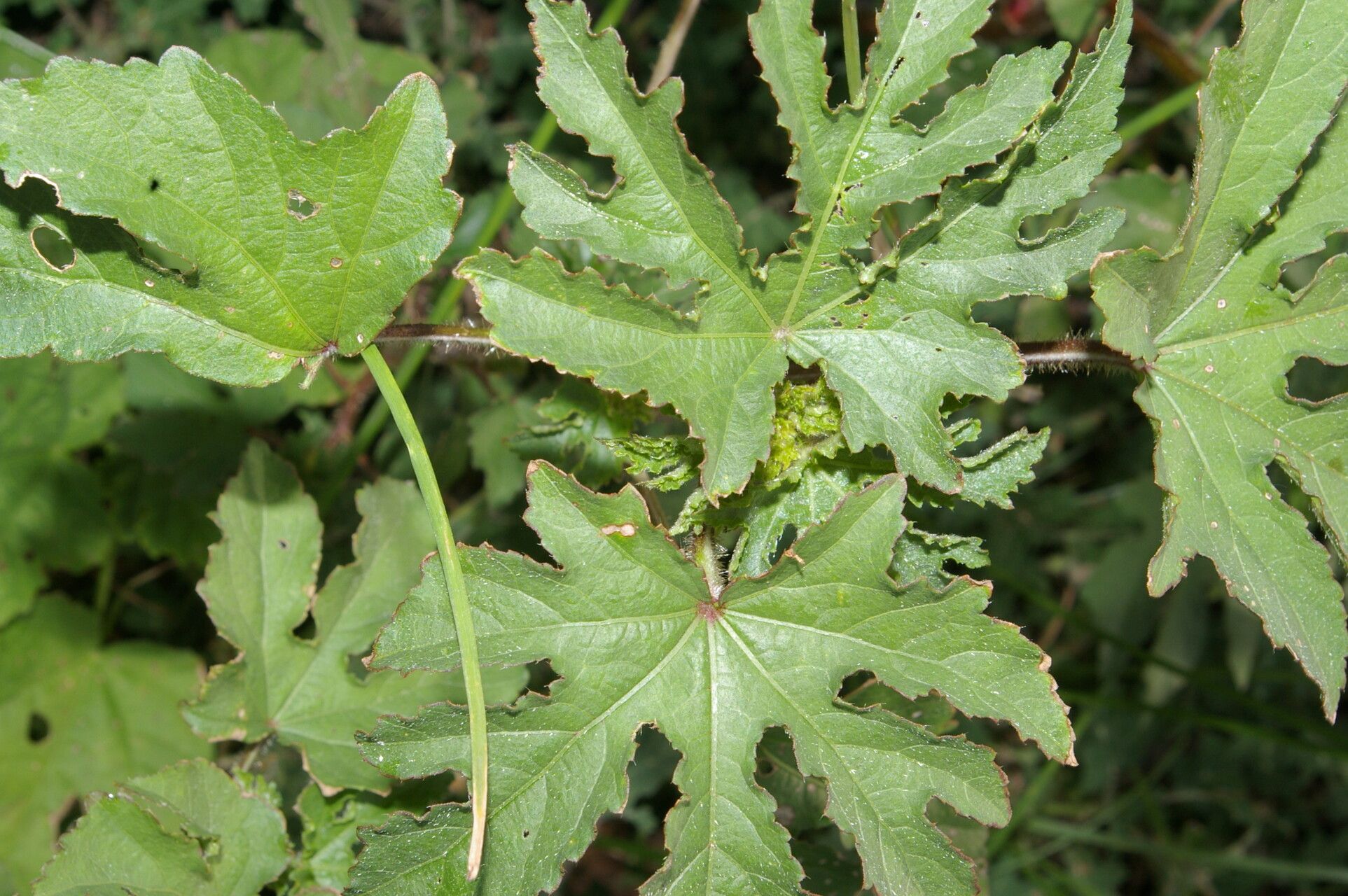
Hello fellow garden enthusiasts! Today, we’re diving into the wonderfully rewarding world of propagating Malachra radiata. If you’ve ever been captivated by its cheerful, hibiscus-like blooms and lush, tropical foliage, you’re in for a treat. Getting more of these beauties to brighten your garden is surprisingly achievable, even for beginners. It’s such a joy to watch a tiny cutting transform into a thriving plant.
The Best Time to Start
For Malachra radiata, the sweet spot for propagation is definitely late spring through summer. This is when the plant is in its most vigorous growth phase. Softwood or semi-hardwood cuttings taken during this time have the best chance of rooting quickly and successfully. Think of it as catching them when they’re full of energy and ready to impress!
Supplies You’ll Need
Gathering your supplies beforehand makes the whole process much smoother. Here’s what I usually have on hand:
- Sharp pruning shears or a clean knife: Essential for making clean cuts that heal better.
- Rooting hormone (optional but recommended): A little sprinkle of this magic powder can really give your cuttings a boost. I like to use one formulated for softwood cuttings.
- Well-draining potting mix: A good blend is key. I often use a mix of equal parts peat moss or coco coir and perlite or coarse sand. This ensures excellent aeration and prevents waterlogged roots.
- Small pots or propagation trays: Clean containers are a must to prevent disease. Terracotta pots are great for breathability.
- Plastic bags or a propagation dome: To create a humid environment for your cuttings.
- Watering can or spray bottle: For gentle watering.
- Labels: To keep track of what you’ve propagated and when!
Propagation Methods
Malachra radiata is quite amenable to propagation from stem cuttings. It’s my go-to method, and I find it incredibly satisfying.
Stem Cuttings:
- Select a healthy stem: Look for a non-flowering stem that’s about 4-6 inches long. You want it to be flexible but not floppy – this is often referred to as softwood or semi-hardwood.
- Make the cut: Using your sharp shears or knife, make a clean cut just below a leaf node. This is where the rooting hormones are most concentrated.
- Prepare the cutting: Gently remove the lower leaves, leaving just a couple of healthy leaves at the top. This reduces water loss and prevents leaves from rotting in the soil. If the remaining leaves are very large, you can even cut them in half to further minimize transpiration.
- Apply rooting hormone: Dip the cut end into your rooting hormone powder. Tap off any excess.
- Pot up the cuttings: Fill your small pots or trays with your prepared, moistened potting mix. Make a small hole with your finger or a pencil deep enough to accommodate the cutting.
- Insert the cutting: Gently push the cut end of the stem into the hole, ensuring it’s making good contact with the soil. Firm the soil gently around it.
- Create humidity: Water the soil lightly. Then, cover the pot with a clear plastic bag or place it under a propagation dome. Make sure the leaves aren’t touching the plastic if possible. Place the pots in a warm, bright spot with indirect sunlight.
Water Propagation (An Alternative):
While I primarily use soil, water propagation can also work for Malachra radiata.
- Follow steps 1-3 above for preparing your cuttings.
- Place the cuttings in a jar or glass filled with clean water.
- Ensure that no leaves are submerged in the water. Any leaves below the water line will rot.
- Place the jar in a warm, bright location, but out of direct sun.
- Change the water every few days to keep it fresh and prevent bacterial growth.
- You should start to see tiny white roots forming within a few weeks.
The “Secret Sauce” (Pro Tips)
Here are a couple of tricks I’ve picked up over the years that really make a difference:
- Bottom Heat is Your Best Friend: If you have access to a propagation mat or can place your pots on top of a warm appliance (like a gently running refrigerator), this can significantly speed up rooting. The warmth encourages root development from the bottom up. This is especially helpful if your ambient room temperature is a bit cooler.
- Don’t Be Afraid to Be Ruthless with Leaf Pruning: As I mentioned, removing lower leaves is crucial. But for very bushy cuttings, I sometimes pinch off any tiny side shoots that try to emerge too early. This redirects the plant’s energy purely into root formation, rather than trying to support a lot of new top growth before it has established roots.
Aftercare & Troubleshooting
Once you see new leaf growth emerging from your cuttings, that’s a fantastic sign that roots have formed! At this point, you can start to gradually acclimate them to drier air. For cuttings that were in plastic bags, slowly open the bag a bit more each day for a few days before removing it entirely. Continue to keep them in bright, indirect light and maintain consistent moisture – not waterlogged, but never completely dry.
The most common issue you might encounter is rot. This usually happens from overwatering or poor drainage. If you notice your cutting becoming mushy or dark at the base, it’s likely succumbed to rot. Unfortunately, there’s not much you can do once rot sets in. The best approach is to prevent it by using well-draining soil and being mindful of watering. If you’re propagating in water and see rot, discard the cutting and start fresh with cleaner water and a fresh cut.
A Encouraging Closing
Propagating plants is a journey, and like any good journey, it requires a bit of patience and a lot of observation. Don’t get discouraged if a cutting doesn’t take; it’s all part of the learning process. Celebrate the successes, learn from the setbacks, and most importantly, enjoy the magic of growing something new from a simple piece of a plant. Happy gardening!
Resource:
https://identify.plantnet.org/k-world-flora/species/Malachra%20radiata%20(L.)%20L./data