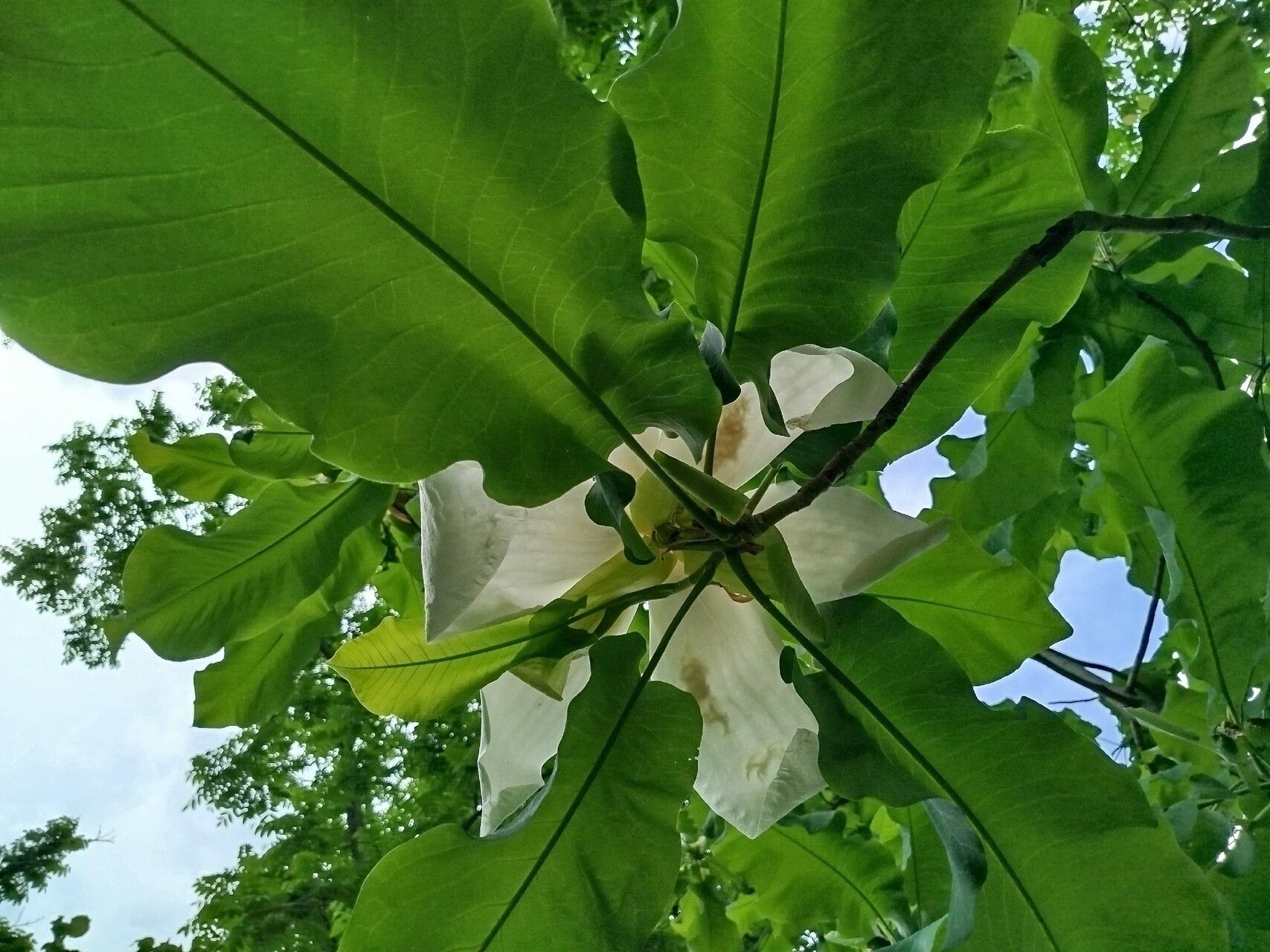
Hello there, garden friends! I’m so excited to chat with you today about one of my absolute favorite trees: the magnificent Magnolia macrophylla, or Bigleaf Magnolia. Honestly, is there anything more breathtaking than those colossal, dinner-plate-sized leaves and the fragrant, creamy white flowers that unfurl like porcelain bowls? It’s a specimen that demands attention, a true showstopper in any landscape.
Now, if you’re dreaming of adding more of these beauties to your garden or sharing them with fellow plant lovers, you might be wondering about propagation. I want to be upfront: Magnolia macrophylla isn’t typically considered a beginner-friendly plant to propagate from cuttings. It can be a bit finicky, requiring patience and a keen eye. But don’t let that deter you! The reward of nurturing a brand-new tree from a piece of your existing one is immense. Think of it as a gardening challenge that’s deeply satisfying.
The Best Time to Start
For the highest success rates with Magnolia macrophylla, you’ll want to focus on late spring to early summer. This is when the plant is actively growing, and you can find young, vigorous stems that have hardened off just a little. These semi-hardwood cuttings are typically the most successful. Avoid taking cuttings from brand-new, floppy growth or from wood that’s already fully mature and woody.
Supplies You’ll Need
Here’s what I like to have on hand before I start:
- Sharp, sterile pruning shears: Clean tools are crucial to prevent disease.
- Rooting hormone powder or gel: This isn’t strictly mandatory, but it can give your cuttings a significant boost.
- A plastic propagator or a clear plastic bag: To create a humid environment.
- Small pots or seed trays: With good drainage holes.
- A well-draining potting mix: I love a blend of equal parts peat moss (or coco coir), perlite, and coarse sand. This ensures good aeration and prevents waterlogged conditions.
- Labels and a waterproof marker: To keep track of your cuttings!
Propagation Methods
While Magnolia macrophylla can also be propagated from seed, it’s a slow process and often results in variability. For a more predictable outcome, I typically focus on stem cuttings.
Here’s how I do it:
- Select Your Cuttings: Head out to your Bigleaf Magnolia on a mild day in late spring or early summer. Look for healthy, current-season shoots that are about the thickness of a pencil and have started to firm up, but are still a bit pliable. You want stems that have developed side shoots.
- Take Your Cuttings: Using your sharp, sterile shears, take cuttings that are 6 to 8 inches long. Make the cut just below a leaf node (where a leaf attaches to the stem). Remove any lower leaves, leaving just the top couple of leaves attached. If the leaves are very large (and they will be!), you can cut them in half horizontally. This reduces water loss significantly.
- Prepare the Cuttings: If using rooting hormone, dip the cut end of each cutting into the powder or gel, tapping off any excess.
- Planting the Cuttings: Fill your pots or trays with your prepared potting mix. Make a hole in the center of the mix with a pencil or stick. Gently insert the cut end of the cutting into the hole, ensuring several leaf nodes are buried in the soil.
- Firm and Water: Gently firm the soil around the cutting to ensure good contact. Then, water thoroughly until you see water draining from the bottom of the pot.
- Create Humidity: Place the pots into a plastic propagator or cover them loosely with a clear plastic bag, ensuring the leaves don’t touch the sides if possible. This helps maintain high humidity, which is crucial for preventing the cuttings from drying out before they develop roots. Place them in a bright, indirect light location.
The “Secret Sauce” (Pro Tips)
I’ve learned a few things over the years that seem to make a difference:
- Bottom Heat is Your Friend: If you have a heat mat specifically designed for propagation, using it will significantly speed up root development. Magnolia cuttings absolutely love that gentle warmth from below.
- Don’t Rush the Water Test: When you think your cuttings might be rooted, gently tug on a stem. If you feel resistance, they’re likely establishing roots. I usually wait at least 6-8 weeks, sometimes longer, before attempting to check. Patience is key!
- Sterilize Everything, Always: I can’t stress this enough. Contaminated tools or pots are a fast track to disappointment. A quick wipe-down with rubbing alcohol before and after use can save you a lot of heartache.
Aftercare & Troubleshooting
Once you feel that magical resistance when you tug on a cutting, congratulations! It’s a sign that roots are forming. Now, the focus shifts to helping that new little plant thrive.
- Gradual Acclimation: Slowly start to reduce the humidity. If you used a plastic bag, open it for a few hours each day, gradually increasing the time. If using a propagator lid, prop it open a bit more each day. This helps the young roots adapt to drier air.
- Continue Bright, Indirect Light: Keep your new plants in that spot where they get plenty of light but no direct, scorching sun.
- Water Consistently: Keep the soil moist but not soggy. As the roots develop, they’ll become more drought-tolerant, but always err on the side of caution when they’re young.
What if things go wrong? The most common issue is rot. If you see your cuttings turning black and mushy, it’s a sign of too much moisture and poor air circulation. This is why that well-draining soil mix and good ventilation are so important. Sometimes, if rot sets in, it’s best to discard the affected cuttings and try again, learning from the experience.
A Encouraging Closing
Growing Magnolia macrophylla from cuttings is a journey, not a sprint. There will be moments of doubt, and not every cutting will make it. But with a little patience, the right conditions, and the willingness to learn, you’ll soon be celebrating the success of your own homegrown Bigleaf Magnolias. Enjoy the process, connect with your plants, and revel in the magic of creation! Happy gardening!
Resource:
https://identify.plantnet.org/k-world-flora/species/Magnolia%20macrophylla%20Michx./data