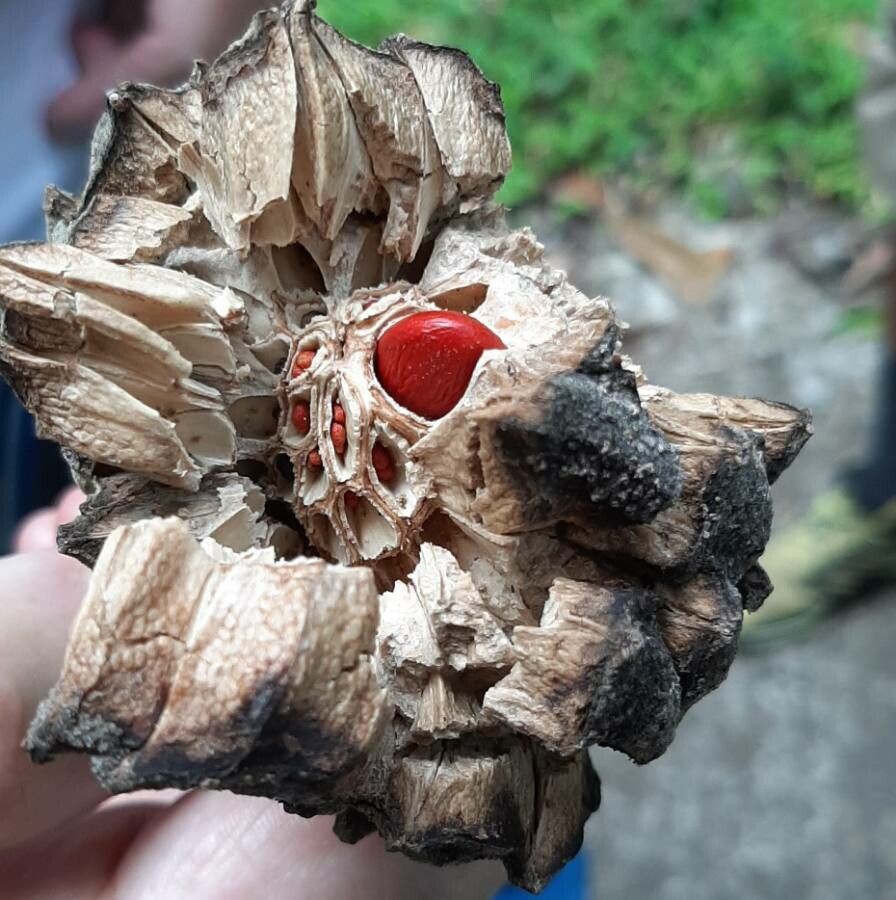
Hello my fellow garden enthusiasts! Today, we’re diving into the wonderful world of propagating Magnolia grandiflora, or the Southern Magnolia. This tree is a true queen of the garden, isn’t she? Those enormous, fragrant white blossoms and glossy, dark green leaves are simply breathtaking. And the best part? You can bring that beauty into more corners of your garden by propagating your own.
Now, I know some folks think propagating Magnolias might be tricky, but I’ve found that with a little patience and the right approach, it’s quite achievable. It’s a rewarding journey, seeing a tiny cutting transform into a future majestic tree.
The Best Time to Start
For the highest chance of success with Magnolia grandiflora, I always recommend taking cuttings in mid-to-late summer. This is when the plant has a good amount of new growth, but it’s starting to become semi-hardwood. You’re looking for stems that are flexible but not completely soft and bendy. Think of it as the “sweet spot” for rooting.
Supplies You’ll Need
To get started, gather these essentials:
- Sharp, clean pruning shears or a sharp knife: Cleanliness is key to preventing disease.
- Rooting hormone: A good quality powdered or gel rooting hormone will significantly boost your success.
- A well-draining potting mix: I like a blend of equal parts peat moss or coir, perlite, and a bit of coarse sand. This gives good aeration and moisture retention.
- Small pots or containers: 4-inch pots are usually a good size to start. Make sure they have drainage holes!
- Clear plastic bags or a propagation dome: To create a humid environment for your cuttings.
- A spray bottle: For misting.
- Optional: A heat mat: This can really speed up root development.
Propagation Methods: Stem Cuttings
My go-to method for Magnolia grandiflora is stem cuttings. Here’s how I do it:
- Select your stem: Look for healthy, vigorous shoots from the current season’s growth. Avoid any diseased or damaged stems. You want cuttings that are about 6 to 8 inches long.
- Make the cut: Using your clean shears, make a clean cut just below a leaf node (where a leaf attaches to the stem). This is where the magic tends to happen for root formation.
- Prepare the cutting: Gently remove the lower leaves from the cutting, leaving just a few at the top. You can also make a shallow slit on one or two sides of the bottom inch of the stem – this can help the rooting hormone adhere and encourage root growth.
- Apply rooting hormone: Dip the cut end of the stem into your rooting hormone, tapping off any excess. Make sure the hormone covers the area where you removed the leaves.
- Plant the cutting: Carefully insert the hormone-coated end into your prepared potting mix. Make a small pilot hole with a pencil or dowel so you don’t rub off all the rooting hormone. Firm the soil gently around the stem.
- Create humidity: Water the soil thoroughly until it drains from the bottom. Then, cover the pot with a clear plastic bag or place it in a propagation dome. Make sure the leaves don’t touch the sides of the bag if possible – this can lead to rot.
- Find a good spot: Place the pots in a warm location with bright, indirect light. Avoid direct sun, which can scorch the leaves.
The “Secret Sauce” (Pro Tips)
Here are a couple of things I’ve learned over the years that can make a big difference:
- Bottom heat is a game-changer: If you have a heat mat, place your pots on it. Magnolia roots love warmth, and this extra boost will encourage them to form much faster. You’ll often see roots developing in half the time.
- Mist, don’t soak: While humidity is crucial, don’t let the soil become waterlogged. Check the moisture level regularly and mist the leaves gently every few days if the soil starts to dry out. You want them to feel happy and hydrated, not drowning.
Aftercare & Troubleshooting
Once your cuttings have started to root – you can gently tug on them, and they’ll offer resistance – it’s time to give them a little more space.
- Acclimate them gradually: Once you see good root development (you might see roots peeking out the drainage holes or new leaf growth), slowly begin to acclimate them to normal conditions. Open the plastic bag for longer periods each day over a week or so.
- Water consistently: Keep the soil consistently moist but not soggy. As they grow, they’ll need more water, but always check the soil first.
- Be patient with transplanting: I usually wait until the plant is a decent size and has established a good root ball before transplanting it into a larger pot or its final garden spot.
The most common problem you might encounter is rot. If you see your cutting turning brown and mushy, or if it falls over easily, it’s likely rotted. This usually happens from too much moisture and not enough air circulation. Don’t be discouraged if you lose a few; it’s part of the learning process. Just toss the affected cutting and try again!
A Encouraging Closing
Propagating Magnolia grandiflora is a wonderful way to connect with your garden and multiply the beauty you love. It takes a bit of patience, a keen eye, and a willingness to experiment. But trust me, the feeling of seeing those first tiny roots emerge and nurturing a new plant from a simple stem is incredibly rewarding. Go ahead, give it a try! Happy growing!
Resource:
https://identify.plantnet.org/k-world-flora/species/Magnolia%20dodecapetala%20(Lam.)%20Govaerts/data