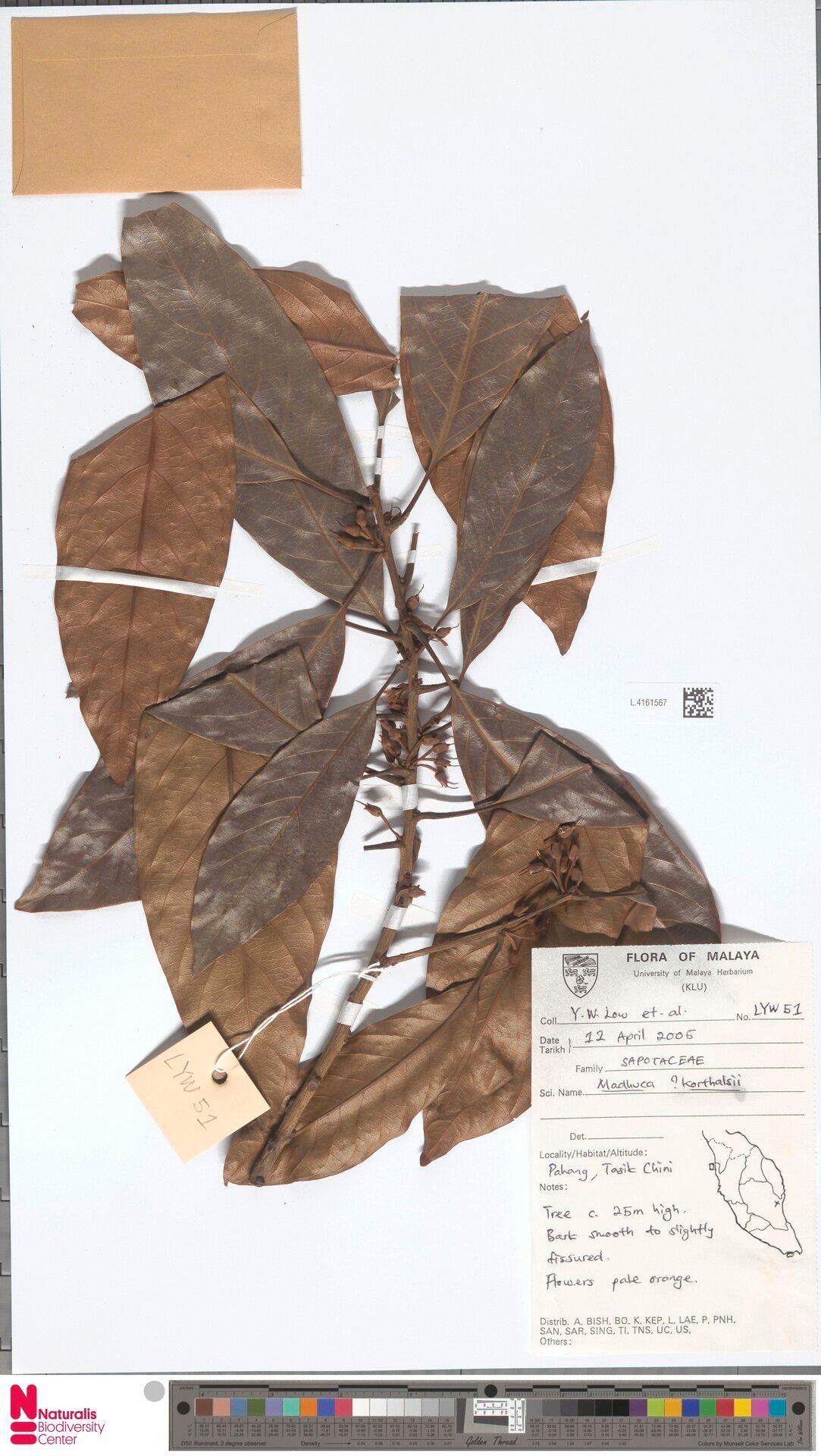
Hello fellow plant lovers! I’m so excited to chat with you today about a truly special tropical treasure: Madhuca korthalsii. You might know it by its common name, the “Butter Tree,” and it’s not hard to see why. Its gorgeous, glossy leaves and the promise of its medicinal and culinary uses make it a real standout. Now, if you’ve been eyeing this beauty and wondering how to bring more into your garden, you’re in the right place! Propagating Madhuca korthalsii can be a bit of a journey, and I’d say it’s more for the patient gardener, not exactly a beginner’s first step, but incredibly rewarding when you get it right.
The Best Time to Start
For Madhuca korthalsii, timing is everything. You’ll find the most success when you propagate during its active growing season. Think late spring or early summer. This is when the plant has plenty of energy to put into developing new roots. You’ll want to choose stems that are mature but not old and woody. They should be firm but still have a bit of flexibility.
Supplies You’ll Need
Before we dive in, let’s gather our tools. Having everything ready makes the process so much smoother!
- Sharp, sterile pruning shears or a knife: Cleanliness is crucial to prevent disease.
- Rooting hormone powder or gel: This gives your cuttings a significant boost. Look for one formulated for woody or semi-hardwood cuttings.
- Well-draining potting mix: A good blend for this plant would be about 50% perlite and 50% coco coir or peat moss. You want it to hold some moisture but drain quickly to avoid soggy roots.
- Small pots or trays: Clean containers are a must.
- Plastic bags or a propagator lid: To maintain high humidity around your cuttings.
- Watering can with a fine rose: For gentle watering.
Propagation Methods
While you can sometimes find seeds, taking stem cuttings is generally the most reliable way to propagate Madhuca korthalsii and ensure you get a true-to-type plant. Let’s focus on that!
Stem Cuttings Method:
- Select your cutting: Choose a healthy stem that’s about 6-10 inches long. Look for a stem that has recently matured – not brand new and soft, but not old and hardened. You’ll often find these on the younger growth.
- Make the cut: Using your sharp, sterile shears, make a clean cut just below a leaf node (where a leaf attaches to the stem). This is where the magic happens with rooting.
- Prepare the cutting: Gently remove the lower leaves, leaving just 2-3 at the very top. This prevents them from rotting in the soil and focuses the plant’s energy on root development.
- Dip in rooting hormone: Moisten the cut end of the stem slightly with water, then dip it generously into your rooting hormone. Tap off any excess.
- Potting up: Fill your clean pots with your well-draining potting mix. Make a hole in the center with your finger or a pencil. This prevents the rooting hormone from rubbing off.
- Insert the cutting: Place the treated end of your cutting into the hole. Gently firm the soil around it to ensure good contact.
- Water gently: Water the soil thoroughly but gently. You want it moist but not waterlogged.
- Create a humid environment: This is key! Cover the pot with a clear plastic bag or place it inside a propagator. Ensure the leaves aren’t touching the plastic. You can use stakes to keep the bag supported. Place your pots in a warm location with bright, indirect light.
The “Secret Sauce” (Pro Tips)
After years of coaxing plants to grow, I’ve learned a few tricks. Here are a couple that make a real difference with Madhuca korthalsii cuttings:
- Bottom Heat is Your Friend: If you have a seedling heat mat, now is the time to use it! Providing gentle bottom heat (around 70-75°F or 21-24°C) really encourages root formation. Place your pots on the mat. It makes a remarkable difference in speed and success rates.
- Don’t Drown Your Hopes: While humidity is essential, standing water is the enemy. Make sure your potting mix is genuinely well-draining. If you notice water pooling even an hour after watering, your mix is too heavy. You can also poke a few drainage holes in the bottom of your plastic bag to allow for some air circulation and prevent overly saturated conditions.
Aftercare & Troubleshooting
Once your cuttings have been in their humid environment for a few weeks, you might start to see signs of life.
- Checking for roots: The best way to see if roots have formed is to gently tug on the cutting. If there’s resistance, you’ve got roots! You can also look for new leaf growth, though this can sometimes happen before significant root development.
- Acclimating to drier air: Once roots are established (you can usually feel good resistance), it’s time to gradually remove the plastic bag or propagator lid over a week or two. This helps your new plant adjust to normal humidity levels.
- Watering: Continue to water when the top inch of soil feels dry. Always ensure good drainage.
- Troubleshooting: The most common issue you’ll face is rot, often appearing as a black, mushy stem at the soil line. This is usually due to overwatering and poor drainage. If you see this, it’s sadly often too late, but you can try to salvage it by taking a healthy piece from above the rot and starting over with fresh medium. Another sign of failure is a wilted or yellowing cutting that never develops roots. This can be due to lack of humidity, insufficient light, or simply the cutting not being viable.
Happy Propagating!
Growing new plants from cuttings is such a rewarding experience. It connects you with the plant’s life cycle in a deeper way. Be patient with your Madhuca korthalsii cuttings. Some will take off quickly, others will take their sweet time. Don’t get discouraged if not every single one succeeds – it happens to all of us, even with decades of experience! Enjoy the process, celebrate every tiny new leaf, and soon you’ll be enjoying more of your beautiful Butter Trees. Happy gardening!
Resource: