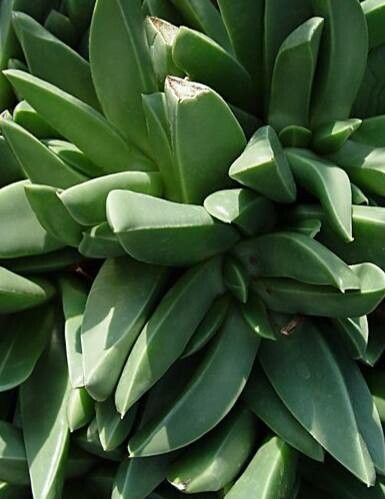
Hello fellow plant lovers! Today, we’re diving into the wonderful world of propagating Machairophyllum stayneri. If you’re drawn to its unique succulent leaves that look like tiny daggers or swords, you’re in for a treat. I’ve been growing these beauties for years, and coaxing new plants from them is incredibly satisfying. While they might seem a little out of the ordinary, propagating M. stayneri is actually quite forgiving, making it a rewarding project for gardeners of all levels.
The Best Time to Start
For the most success with your Machairophyllum stayneri propagation, the spring and early summer are your best friends. This is when the plant is in its active growing phase, meaning it has the energy and resources to focus on developing new roots. Waiting until after the plant has finished its winter dormancy is key. You want to see signs of vigorous new growth before you start snipping away!
Supplies You’ll Need
Here’s what you’ll want to have on hand before you begin:
- Well-draining potting mix: A cactus and succulent blend is perfect. If you can’t find one, mix regular potting soil with perlite or coarse sand at a 1:1 ratio.
- Sharp, clean pruning shears or a sharp knife: Sterilize them with rubbing alcohol to prevent disease.
- Rooting hormone (optional but helpful): A powder or gel formulation designed for succulents.
- Small pots or seed-starting trays: Ensure they have drainage holes.
- Gravel or perlite: For covering the soil surface to improve drainage and airflow.
- Spray bottle: For lightly misting.
Propagation Methods
There are a couple of fantastic ways to get more Machairophyllum stayneri plants. I usually opt for stem cuttings, as it’s straightforward and yields great results.
Stem Cuttings:
- Select a healthy stem: Look for a mature, actively growing stem that is at least 2-3 inches long. Avoid any that look weak or have been damaged.
- Make the cut: Using your sterilized shears or knife, make a clean cut just above a leaf node (where a leaf attaches to the stem).
- Allow to callus: This is a crucial step for succulents! Let the cut end of the stem dry out and form a callous for about 2-3 days in a dry, shaded spot. This prevents rot when you plant it.
- Prepare the pot: Fill your small pot with your well-draining potting mix.
- Apply rooting hormone (optional): Dip the calloused end of the cutting into the rooting hormone powder or gel, tapping off any excess.
- Plant the cutting: Make a small hole in the soil with your finger or a pencil. Insert the calloused end of the cutting into the hole, ensuring at least one leaf node is buried. Gently firm the soil around it.
- Top dressing: Add a thin layer of gravel or perlite around the base of the cutting.
- Initial watering: Wait a day or two after planting to water. Then, give it a light watering, just enough to moisten the soil.
Division (For more mature plants):
If your Machairophyllum stayneri has become a dense clump, dividing it is an excellent option.
- Gently remove the plant from its pot.
- Carefully tease apart the root ball to separate the offsets. You want to ensure each division has its own roots.
- Allow any severed roots to callus for a day or two, just like with cuttings.
- Pot up each division into its own pot with well-draining soil. Water lightly.
The “Secret Sauce” (Pro Tips)
Here are a few things I’ve learned over the years that make a difference:
- Airflow is king: While you want to keep your cuttings slightly humid, stale air can encourage rot. Ensure good ventilation around your cuttings. I often leave them uncovered initially, or choose pots with plenty of drainage holes.
- Don’t overwater, ever: This is the number one killer of succulent cuttings. It’s much better to err on the side of underwatering. Wait until the soil is completely dry before watering again, and then water sparingly.
- Bottom heat can be a game-changer: If you’re propagating in a cooler environment, placing your pots on a propagation mat set to a low temperature (around 70-75°F) can significantly speed up root formation. It mimics the warmth from the ground that encourages roots to grow.
Aftercare & Troubleshooting
Once your cuttings have been planted, the real waiting game begins! Keep them in bright, indirect light. Avoid direct sun, which can scorch delicate new growth.
Roots will typically appear within 2-6 weeks, though this can vary. You can gently tug on the cutting; if there’s resistance, you likely have roots. Once rooted, you can treat it like a mature plant, watering thoroughly when the soil is dry.
The most common issue you’ll face is rot. This usually happens from overwatering or lack of callousing. If you see a cutting turning mushy and brown or black at the base, it’s likely too late for that one. Pull it out, and assess your watering habits and if you allowed enough drying time for other cuttings.
Keep Growing!
Propagating Machairophyllum stayneri is a journey, not a race. Be patient, enjoy the process of nurturing these little green soldiers, and don’t be discouraged if a few don’t make it. Each attempt is a learning experience, and soon you’ll have a small army of these fascinating succulents to enjoy and share! Happy propagating!
Resource:
https://identify.plantnet.org/k-world-flora/species/Machairophyllum%20stayneri%20L.Bolus/data