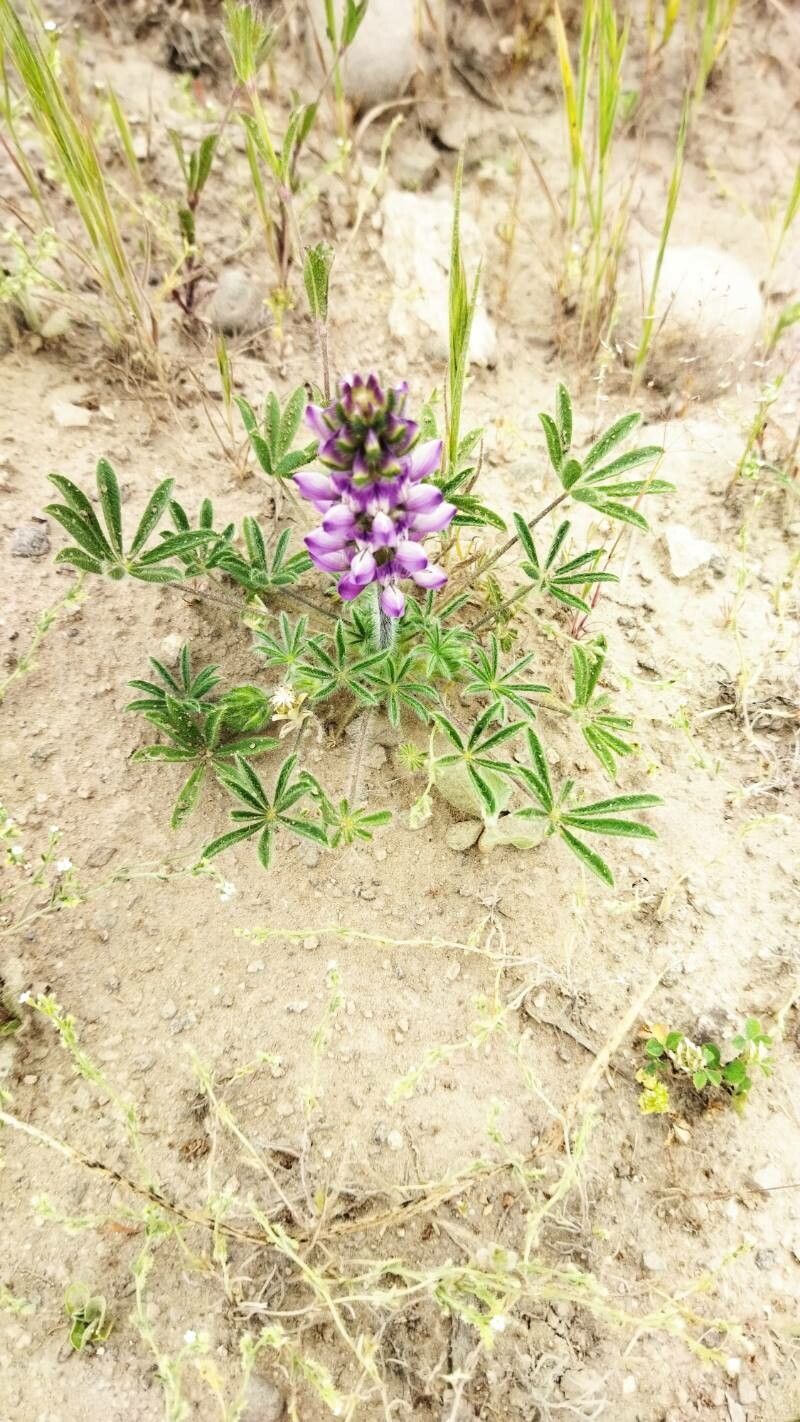
Hello there, fellow garden enthusiasts! It’s so lovely to have you join me today. We’re going to dive into the wonderful world of propagating Lupinus formosus, or the Beautiful Lupine, as it’s affectionately known. I’ve spent countless hours with these native beauties, and let me tell you, there’s something incredibly special about coaxing new life from your favorite plants. Seeing a tiny seedling sprout or a cutting unfurl its first true leaves is pure magic, and with Lupinus formosus, it’s a mission that’s absolutely achievable.
These lupines, with their stunning spires of jewel-toned flowers, are truly a sight to behold. They bring such a splash of color and a whisper of wildness to any garden. Propagating them yourself is not only incredibly satisfying but also a fantastic way to expand your collection or share these beauties with friends. Now, I want to be upfront: While not the absolute easiest plant for a complete beginner, Lupinus formosus is by no means a lost cause! With a little patience and the right approach, you’ll be well on your way to success.
The Best Time to Start
For the highest success rate with Lupinus formosus, the early spring is your golden ticket. This is when the plant is actively growing and has the most energy to dedicate to developing new roots. Aim to begin your propagation efforts just as the plant is waking up from its winter slumber, before it puts all its efforts into flowering. If you miss this window, don’t despair! You can also try propagating mid-summer from semi-hardwood cuttings, but spring is generally more forgiving.
Supplies You’ll Need
Gathering your supplies before you start makes the whole process so much smoother. Here’s what I always have on hand:
- Sharp, clean pruning shears or a sharp knife: Crucial for making clean cuts that heal well.
- Rooting hormone (optional but recommended): Especially helpful for cuttings, giving them a little boost.
- A well-draining potting mix: I usually go for a blend of equal parts peat moss, perlite, and coarse sand. A good seed-starting mix works wonderfully for seeds too.
- Small pots or trays: Clean containers are essential to prevent disease.
- A spray bottle filled with water: For maintaining humidity.
- Labels and a permanent marker: Never underestimate the importance of labeling!
- A plastic bag or propagator lid: To create a humid environment for cuttings.
- A trowel or dibber: For making holes for seeds or cuttings.
Propagation Methods
There are a couple of avenues we can explore for Lupinus formosus.
From Seed
This is often the most straightforward method for lupines.
- Harvest or purchase seeds: Collect seeds from dried seed pods in late summer or fall, or buy fresh seeds from a reputable supplier.
- Scarify the seeds: Lupine seeds have a hard coat that can prevent germination. To overcome this, you can gently nick the seed coat with a sharp knife or file, or soak them in warm water for 12-24 hours. You’ll notice some seeds swell – these are the ones most likely to germinate.
- Sow the seeds: Fill your chosen pots or trays with your well-draining mix. Make small holes about ¼ inch deep. Place 2-3 seeds per hole (you can thin later) and cover gently with soil.
- Water gently: Use your spray bottle to moisten the soil without disturbing the seeds.
- Provide warmth and light: Place the pots in a warm spot, ideally around 65-70°F (18-21°C). A sunny windowsill is perfect.
- Be patient: Germination can take anywhere from 1 to 4 weeks. Keep the soil consistently moist but not waterlogged.
From Division
If you have an established, mature plant that’s looking a bit crowded, division is a great option.
- Choose the right time: Spring or fall are the best seasons for dividing lupines.
- Carefully dig up the plant: Gently dig around the root ball, being careful not to damage the roots. Lift the entire plant from the ground.
- Separate the root ball: For established plants, you’ll often see distinct clumps or crowns. You can gently pull these apart with your hands or use a clean trowel or knife to divide them. Ensure each division has healthy roots and at least one shoot.
- Replant immediately: Pot up the divisions into their own containers with fresh potting mix, or plant them directly back into the garden in their new locations. Water them in well.
The “Secret Sauce” (Pro Tips)
Here are a few little tricks I’ve learned over the years that can make a real difference.
- Don’t overwater! This is probably the single most common pitfall with lupines, whether they’re seeds, cuttings, or established plants. They hate wet feet. Ensure excellent drainage, and let the soil surface dry slightly between waterings.
- Bottom heat is your friend for cuttings: If you’re trying stem cuttings, placing the pot on a gentle heat mat can significantly speed up root development. It mimics the warmth of the soil and encourages roots to form more readily.
- Consider seed scarification before soaking: I’ve found that a quick nick with a blade before soaking the seeds in warm water gives the water even better access to the seed embryo, leading to more consistent germination.
Aftercare & Troubleshooting
Once your seeds have germinated and your cuttings have rooted, the real gardening adventure begins!
For seedlings: Once they have a few sets of true leaves and are large enough to handle, you can transplant them into individual pots. Continue to water them when the top inch of soil feels dry. Gradually introduce them to more sunlight, hardening them off before planting them out into the garden when they’re robust enough.
For rooted cuttings/divisions: Keep them in their pots, in a bright but indirect light location. Water them as you would the seedlings. Once they’ve established a good root system and are showing new growth, they’re ready to be planted outdoors.
Common problems to watch for:
- Rotting: This is almost always due to overwatering and poor drainage. If you see wilting, mushy stems, or a blackening at the soil line, reduce watering and ensure good air circulation. Sometimes, it’s best to sacrifice the affected bit.
- Damping off: This is a fungal disease that affects seedlings, causing them to collapse at the soil line. Good sanitation and not overcrowding seedlings are the best preventatives.
- No root development: For cuttings, patience is key! If after several weeks you see no progress, it’s possible the cutting wasn’t viable or conditions weren’t quite right. Don’t be discouraged; just try again!
A Encouraging Closing
I hope this guide has inspired you to try your hand at propagating Lupinus formosus. Remember, gardening is a journey of learning and discovery. Some attempts will be wildly successful, others less so, and that’s perfectly okay. The most important thing is to enjoy the process, connect with nature, and celebrate every little victory. So grab your tools, get your hands a little dirty, and happy propagating! I can’t wait to hear about your beautiful lupine babies.
Resource:
https://identify.plantnet.org/k-world-flora/species/Lupinus%20formosus%20Greene/data